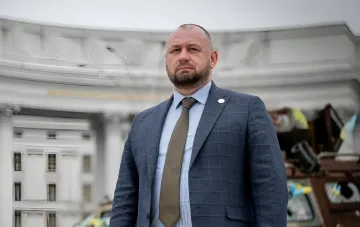
Hungarian Foreign Minister Anita Orban stated that Budapest is ready to become a full member of the International Coalition for the Return of Ukrainian Children. She announced this in a Facebook post, as reported by RBC-Ukraine. According to the minister, the country's joining the coalition "will facilitate the safe return of Ukrainian children kidnapped during the war and the reunification of families." Notably, Orban did not explain why Budapest made this decision right now, leaving room for interpretation within the context of recent shifts in Hungarian politics.
Magyar's First Visit to Ukraine
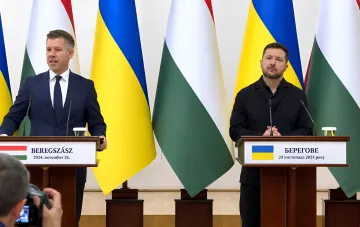
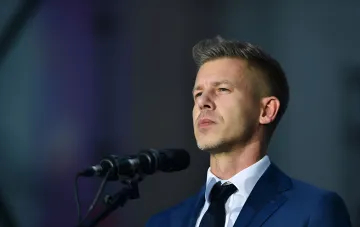
Hungary's decision comes against the backdrop of a sharp change in tone in relations between the two countries. The key event was the meeting between Ukrainian President Volodymyr Zelenskyy and Hungarian Prime Minister Peter Magyar in Zakarpattia on November 24. This was Magyar's first official visit to Ukraine in his capacity as Prime Minister. "A visit that will surely yield positive results. Agreements are already in place in politics, energy, and infrastructure," Zelenskyy stated while commenting on the results of the talks. Joining the coalition for the return of children fits logically into this path of rapprochement.
European Context: Resolution on Genocide
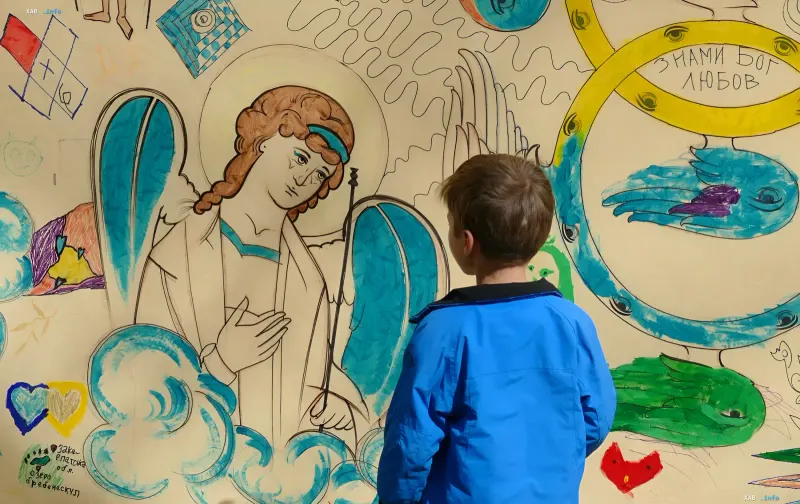
Budapest's decision takes place amid a strengthening European position on the issue of Ukrainian children. On November 12, the European Parliament, at a plenary session in Brussels, supported a resolution that effectively called for recognizing Russia's actions regarding Ukrainian children as genocide. The document emphasizes that the return of children cannot be a subject of political bargaining during peace negotiations. Thus, Hungary's accession to the coalition coincides with the entrenchment of this topic in the European legislative discourse.
A Shift in Hungarian Politics
In recent months, the Hungarian side has demonstrated a number of gestures previously uncharacteristic of Budapest. Peter Magyar publicly called Russia an aggressor state, and after Russia's attack in Zakarpattia on November 17, Hungary expressed solidarity with Ukraine—a statement to that effect was made by Foreign Minister Anita Orban herself. The head of Ukrainian diplomacy, Andrii Sybiha, noted that Ukraine and Hungary have achieved significant progress in restoring bilateral relations in just a few months.
The Coalition Continues to Expand
The International Coalition for the Return of Ukrainian Children continues to grow: according to Korrespondent, Honduras has joined the alliance, becoming the 52nd member of the structure working on the return of children and family reunification. Hungary's accession—a country with significant weight in the EU—strengthens the coalition's political resources and underscores that the issue of returning children is becoming one of the markers of the normalization of Kyiv's relations with a number of European capitals.