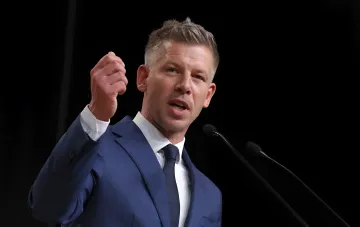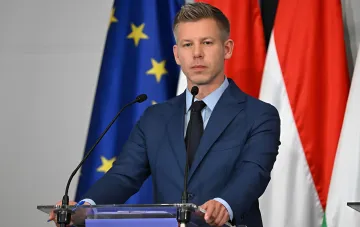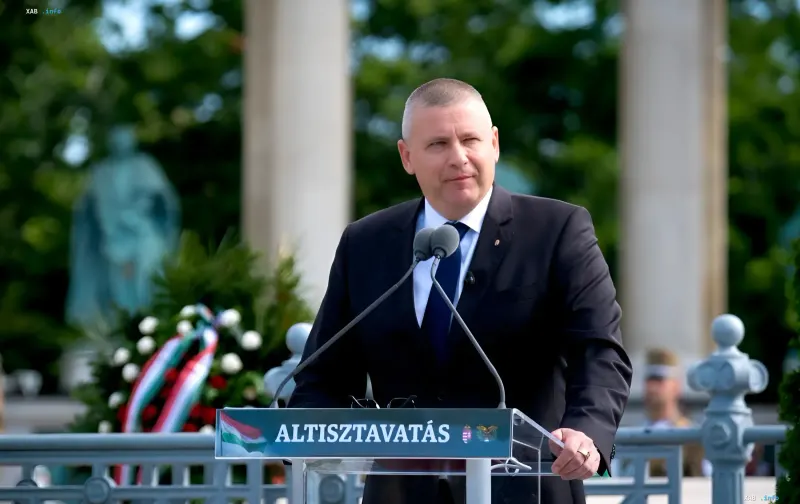
Hungary intends to radically review its foreign policy strategy, focusing on restoring trust with Western allies and tightening its stance towards Moscow. This was stated by the country's Minister of Defense, Romulus Ruzin-Sendi, during a panel discussion at the Budapest Energy and Strategy Talks.
"Closing doors" to Russia
The new course of Budapest is based on a clear distinction of priorities. According to Ruzin-Sendi, the Hungarian leadership realizes the need to restore relations with NATO partners. At the same time, a harsh formulation was voiced towards Russia: "We are closing the doors in front of them".
The Minister of Defense did not hide his grievances against Russian intelligence services, stating that they tried to "break in through the back doors" into Hungarian state administration. This position indicates a change in rhetoric, which was previously characterized by a softer approach in relations with Moscow.
Issues of trust and apologies to allies
Ruzin-Sendi emphasized that Hungary's national interests today fully coincide with the interests of its allies. To restore reputation and trust, one of the government's top priorities became apologizing to partners who previously felt neglected.
Specifically, this refers to Finland. As the official noted, the previous government delayed Helsinki's accession to NATO, which caused tension. The new leadership believes it is necessary to correct this situation.
Military budget and constitutional reforms
In the field of defense, Hungary has taken on serious commitments. The Minister confirmed that the country will reach the NATO target indicator — spending 5% of GDP on defense by 2035. However, despite ambitious plans for militarization, education and healthcare remain priorities for now.
The domestic agenda is also undergoing changes. The 17th amendment to the Constitution was adopted in Hungary. According to the Minister's statement, this measure is aimed at removing President Tamás Suiok and the head of the Constitutional Court from the political game, paving the way for the implementation of a new strategy.
Support for Ukraine and media freedom
Hungary is demonstrating readiness to cooperate with neighbors within the framework of European integration. Budapest agreed to send official letters to Ukraine and Moldova, which launches the procedure for opening the sixth negotiation zone on the issue of EU accession.
An important step was also the liberalization of information policy. The decision to unblock Ukrainian media was made jointly with the Ministry of Foreign Affairs. Now, the Ukrainian diaspora and refugees in Hungary will be able to receive news in their native language without restrictions.
Global context
Ruzin-Sendi reminded that the Hungarian government is closely monitoring not only the war of Russia against Ukraine, but also the situation in the Middle East. The official expressed the opinion that these conflicts will end only when the governments, militaries, and societies of the participating countries really want to put an end to them.