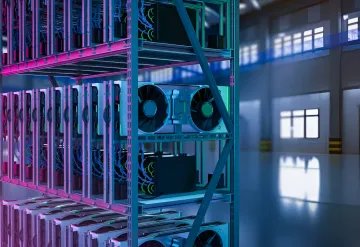
In August 2026, the US logistics sector faced a new, high-tech wave of crime. Traditional cargo theft schemes have transformed under the influence of the artificial intelligence boom. Criminal gangs, previously specializing in the theft of consumer goods, have reoriented themselves towards stealing expensive data center (DC) equipment. Their targets include server switches, cooling systems, and optical components necessary for the operation of modern neural networks.
Methods of "Smart" Theft: From Staged Accidents to Phishing
Modern criminals are abandoning brute force in favor of sophisticated manipulation. In California, there have been cases where criminals staged accidents involving security vehicles escorting trucks carrying valuable equipment. As soon as the escort left the route, the trucks continued moving, but they never reached their destinations — neither the drivers nor the cargo were found. Experts suggest the drivers themselves may be involved, but the cases remain unsolved.
Aside from physical interference, criminals actively use digital methods. Through phishing, criminals gain access to the corporate email of transport companies, posing as legitimate representatives. In other cases, they illegally acquire carrier identifiers, forcing senders to voluntarily hand over cargo to fraudsters. To counter this, companies are implementing driver's license scanning systems and using cameras to track suspicious vehicles waiting for cargo near facilities.
The Economics of Crime: Rising Costs Despite Falling Theft Numbers
Statistics for the past quarter demonstrate a paradoxical trend: the total number of road thefts decreased by 26%, yet the value of stolen goods more than doubled. This indicates a shift towards "surgical" operations with high added value. Given the active construction of AI data centers in the US, logistics services are forced to transport accelerators and servers, the cost of which often does not match the level of security measures applied.
Major Incidents: From Mississippi to Chicago
In April 2026, large-scale thefts were recorded: 34,560 units of optical cables and 96 network switches being transported from Mississippi to Texas. Some of the equipment was recovered. In Southern California, law enforcement seized cargo worth $4 million, including Deepcool AI cooling systems for data centers; one person was arrested.
In June, the situation intensified. In California, goods worth more than $2.2 million were seized, allegedly stolen in three incidents. Among the seized property were eight pallets of Celestica server switches produced for Meta✴, valued at $550,000. On the same day in Chicago, a trailer with equipment worth $1 million, heading to a data center, was discovered.
Contradictory Data
There are differing views regarding the effectiveness of countermeasures. On one hand, the 26% drop in thefts can be interpreted as a success in implementing new security systems, such as document scanning and camera surveillance. On the other hand, the sharp rise in the value of stolen goods (more than 2 times) indicates that criminals have become more professional and selective, bypassing standard protection protocols. Experts disagree on whether this is a temporary phenomenon of adaptation to new types of cargo or a long-term trend requiring a complete restructuring of logistics security.