«The UN is slowly dying»: Shock statement from the IAEA Chief
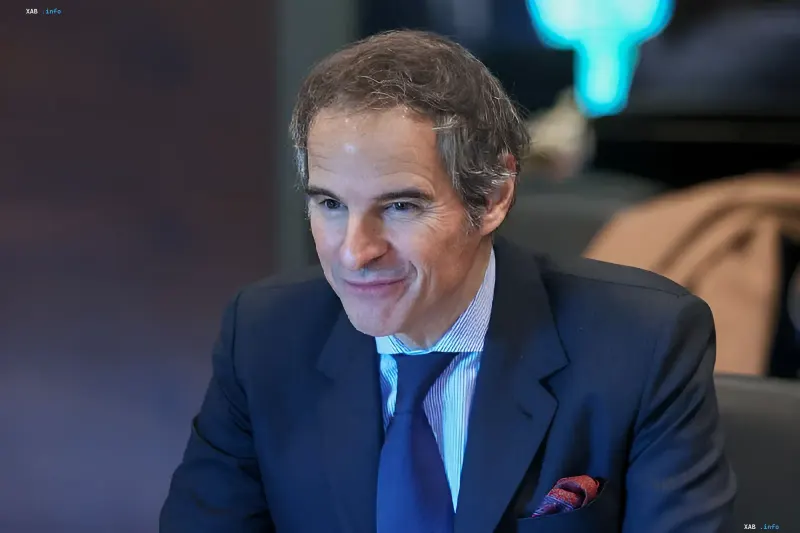
On August 13, 2026, the international community was shaken by a loud statement from one of the most influential diplomats of our time. Rafael Grossi, Director General of the International Atomic Energy Agency (IAEA), in an exclusive interview with Financial Times, did not resort to diplomatic euphemisms. He stated a fact: the United Nations, in its current form, is losing relevance and the ability to influence the course of history. According to Grossi, the mechanisms created in 1945 have degraded and are no longer capable of effectively resolving modern interstate conflicts.
This statement came as a bolt from the blue, considering the speaker's high status. Grossi, whose career is closely linked to nuclear diplomacy and arms control, pointed to a systemic crisis. He emphasized that the lack of progress in preventing global catastrophes is a key indicator that collective security institutions are outdated. «We are witnessing the slow death of an organization that was once a pillar of peace», he summarized the essence of what is happening.
Political context: The battle for the UN Secretary-General post
Experts agree that such harsh criticism is not just a professional assessment. The interview was published against the backdrop of heated discussions about the upcoming change in the leadership of the UN Secretariat. Rafael Grossi is considered by many analysts to be one of the main contenders for the post of the next Secretary-General. His words can be interpreted as part of an election program: he is not just criticizing the system, but also offering himself as a reformer capable of «saving» the organization from total collapse.
In a world facing unprecedented challenges — from regional wars to climate crises — the figure of Grossi, with his reputation as a tough negotiator, looks attractive to Western countries. His position on the need for a radical review of the UN's role in diplomatic settlement could become his trump card in the fight for the chair in New York.
Legal frameworks and the reform deadlock
The problem pointed out by Grossi runs into rigid legal frameworks. The structure and powers of the UN are defined by the 1945 Charter. The key responsibility for peace and security lies with the Security Council, where the veto power of permanent members (P5) often paralyzes decision-making. Any structural changes require amendments to the Charter, which in turn requires the consent of all permanent members of the Security Council. This creates a vicious circle: those who block reforms are the main beneficiaries of the current system.
The procedure for selecting the Secretary-General, regulated by Article 97 of the Charter, also remains a subject of dispute. The appointment is made by the General Assembly upon the recommendation of the Security Council, which often turns the election into a backroom game of great powers. Grossi, criticizing inefficiency, in fact questions the very possibility of reforming the system «from within» without a radical change in the balance of power.
Contradictory data
There have been discrepancies in different information streams regarding the exact wording and tone of Grossi's statements. On the one hand, in the interview with Financial Times and in quotes cited by RBC, the emphasis is on the phrase about «slow death» and loss of relevance, which sounds like a verdict. On the other hand, in materials from Armenpress and some analytical notes, the emphasis is shifted to the constructive need to be a «realist» and adapt to new realities.
Some sources interpret Grossi's words as a warning of the inevitable collapse of the UN without immediate reforms. Others see this as merely a tactical move intended to clear the field for his own candidacy for Secretary-General, offering a «fresh look» at old problems. For now, there is no consensus on whether this is a diagnosis of a terminal stage or a call for intensive therapy.