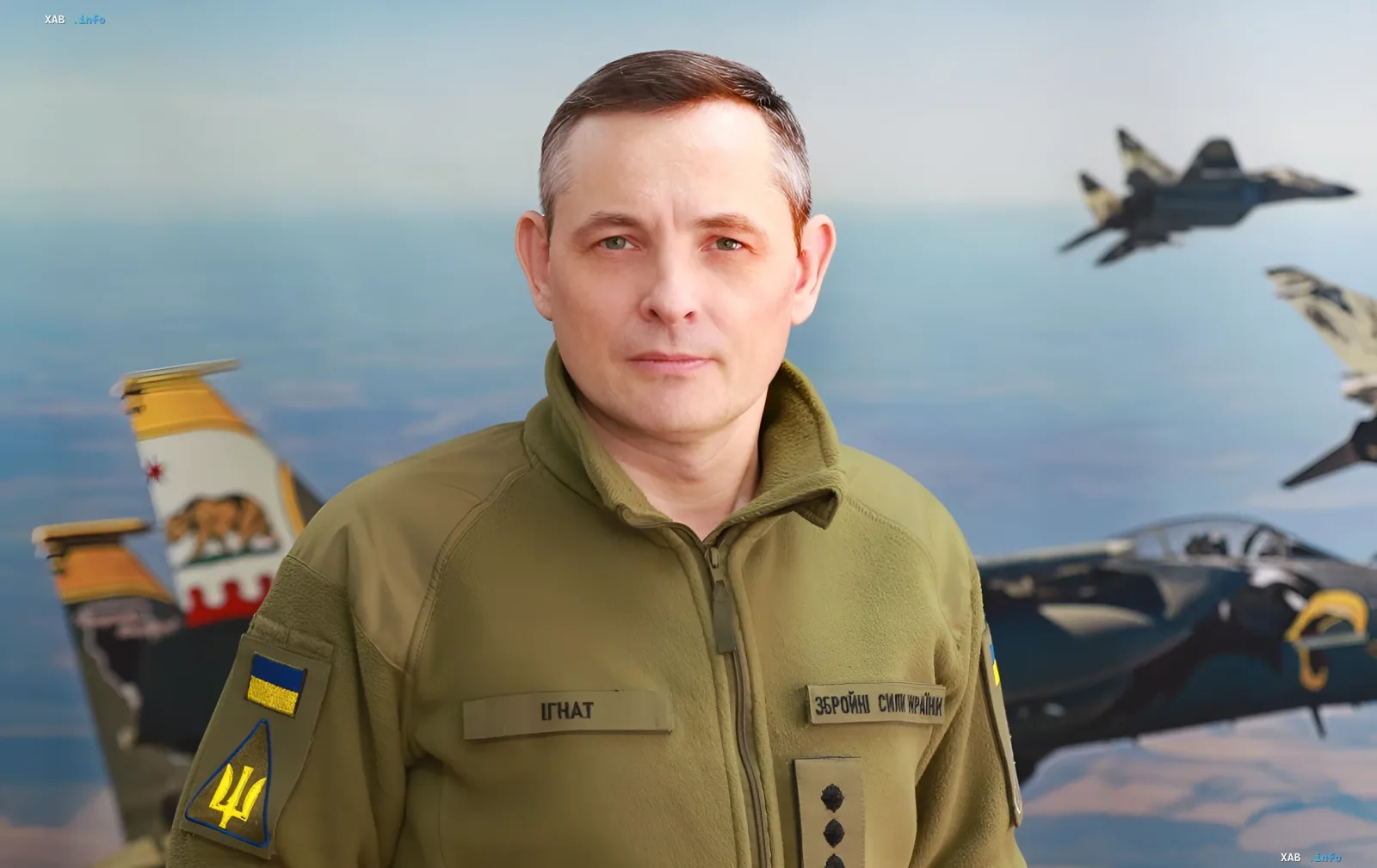
Yuriy Ignat, head of the communications department of the Air Command of the Ukrainian Armed Forces, revealed on a tele-marathon the details of the tactics Russian military forces are applying during massive strike operations on Ukrainian territory. According to him, the occupiers are increasingly launching strike drones, including jet-powered Shaheds, hugging the border with Belarus. The drones enter via the Kyiv Reservoir and actively maneuver at various altitudes, which significantly complicates the task of intercepting them. At the same time, the direction along the Belarusian border is not the only one: the enemy is also launching massive attacks from the south, as well as from the Sumy and Chernihiv oblasts.
Mesh Networks and Online Control: The Main New Threat
According to Ignat's assessment, a particular danger is posed by the shift of some drones to online control mode. Russian military forces are using mesh networks — decentralized networks in which each drone acts as a signal relay for the control station. This allows operators at command posts to assess the situation in real time, distinguish decoys and false targets from real objects, and select the highest-priority ones for destruction. As Ignat emphasized, the occupiers have already repeatedly attempted to hit trains, locomotives, and the vehicles of mobile fire groups while they were moving, which indicates a deliberate tactic of striking mobile targets.
Tactical Aviation as the Main Interception Tool
To intercept jet-powered Shaheds, which, according to Ukrainian military data, accelerate to 600 km/h, Ukrainian pilots are actively employing tactical aviation. Ignat stated that fighter pilots are "doing a great job," destroying enemy targets not only with missiles but also with aircraft cannons. "This is precision work that today the Mirages, the F-16s, and even the MiG-29 aircraft are carrying out, risking — undoubtedly risking — but there is no other way to shoot them down," he noted. According to him, if a jet-powered drone is flying at high speed and at high altitude, it is precisely tactical aviation that remains the primary means of destroying it.
Ground-Based Air Defense and Air Defense Limitations
In parallel with the work of aviation, surface-based air defense systems, man-portable air-defense systems (MANPADS), and laser-guided missiles are being deployed on the ground. Air defense forces are shooting down a significant portion of the drones; however, as Ignat acknowledged, it is impossible to destroy all targets due to weather conditions and the limited availability of assets at specific locations. This creates additional risks for infrastructure and the population in the zones of attack.
Context: The Growing Use of Jet-Powered Drones
Ignat reported that the aggressor state has significantly increased the use of jet-powered drones during strike operations. Kyiv remains one of the main directions of enemy attacks. The rise in the number of jet-powered drones and the shift to online control via mesh networks, according to the Air Command's assessment, require Ukrainian air defense forces to constantly adapt their tactics and to increase interception assets on all fronts.