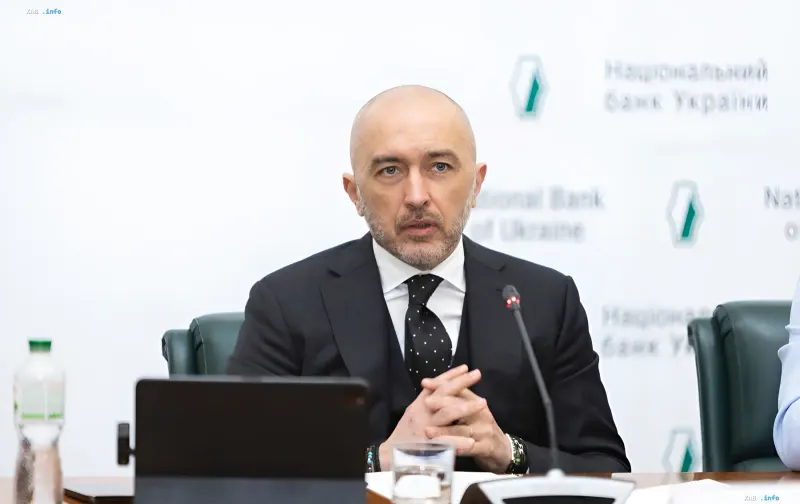
In a fresh statement, the International Monetary Fund emphasized that the legally enshrined independence of the National Bank of Ukraine is a fundamental condition for maintaining macrofinancial stability in the country. According to IMF experts' assessment, it is precisely the institutional autonomy of the regulator that allows it to consistently pursue monetary policy even under conditions of recurring external supply shocks, which are characteristic of an economy in a state of protracted armed conflict.
Monetary Policy and Inflation Expectations
The IMF report notes that against the backdrop of ongoing supply shocks, the NBU has tightened monetary policy in order to guide inflation expectations in the right direction. At the same time, the Fund acknowledges that achieving the 5% inflation target is significantly complicated by higher price levels and the protracted nature of the war. Nevertheless, the IMF recommends that the National Bank continue adhering to its own monetary anchors to bring inflation back to the target level over a three-year monetary policy horizon.
Exchange Rate Flexibility and Foreign Exchange Liberalization
A separate block of the IMF statement is devoted to exchange rate policy and foreign exchange regulation issues. Fund experts emphasize the need to maintain exchange rate flexibility, as it serves as a shock absorber for external shocks and protects Ukraine's international reserves. Regarding foreign exchange liberalization, the IMF advises regularly reviewing the approach to lifting restrictions based on the fulfillment of specific macroeconomic prerequisites, ensuring this process remains fully aligned with the regulator's general monetary and exchange rate policies.
Progress on the EFF Program
The Fund also reported on progress achieved in discussing policies under the second and third reviews of the Extended Fund Facility (EFF) program. These discussions between IMF staff and representatives of the Ukrainian authorities are ongoing in an online format. As RBC-Ukraine recalled, on November 9, the IMF mission launched a combined review of the second and third reviews of Ukraine's four-year, $8.1 billion Extended Fund Facility program.
Context: Why the Issue of NBU Independence Is Relevant
The IMF's statement came against the backdrop of ongoing discussions about the role of the central bank in wartime conditions, when pressure on monetary policy from fiscal and military needs can be particularly strong. By emphasizing the legislative guarantees of the NBU's independence, the Fund essentially records that the institutional protection of the regulator from political interference remains an active mechanism and serves as the basis for investors' and partners' trust in the Ukrainian financial system. For Ukraine, which is tied under the $8.1 billion EFF program to meeting a number of structural and macroeconomic conditions, the IMF's confirmation of the preservation of NBU independence is of direct importance for further financing tranches and the general course of reforms.