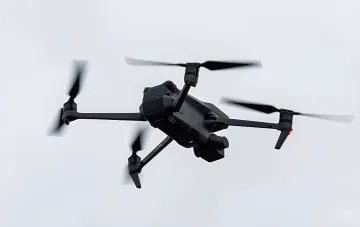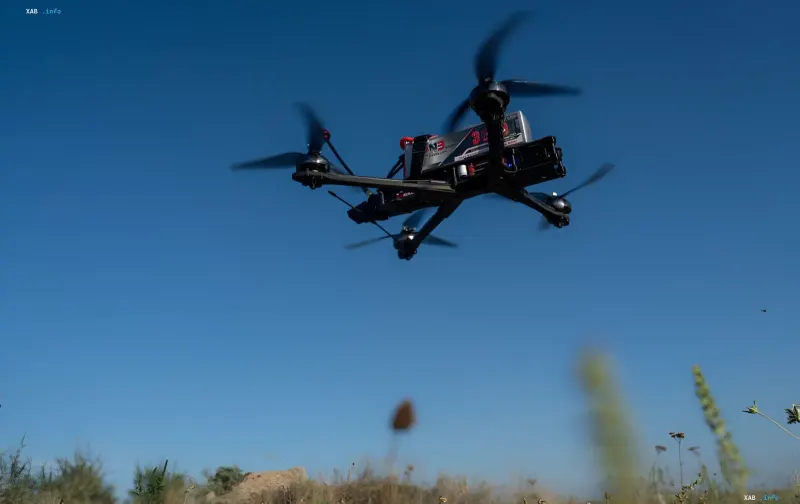
An unexpected conflict has erupted in Latvia between technological progress and the local population. Employees of the national energy company Sadales tīkls, who have introduced unmanned aerial vehicles (drones) for network inspections, have encountered an aggressive reaction from citizens. People seeing drones in the sky mistakenly identify them as spy or military devices, leading to attempts to destroy them.
Stones, water, and threats
The situation has spiraled out of control: residents are not just watching the flights but actively interfering. According to the company, people are throwing stones and wooden objects at the drones, dousing them with water, and pilots are receiving direct threats. Such actions not only cause serious material damage to expensive equipment but also create a real threat to the safety of workers in the flight zones.
The cause of the panic is the tense geopolitical background. Latvia, like other Baltic states, regularly faces airspace violations. Recently, several drones penetrated the country's territory, one of which crashed into an oil tank in Rēzekne. Furthermore, last month, NATO French fighter jets shot down an unknown drone that violated Latvia's borders. Against this backdrop, any flying object arouses suspicion.
Technology versus fear
Sadales tīkls has been using drones to inspect power lines since the beginning of this year. The goal of implementing this technology is not surveillance, but accident prevention. Drones allow for the rapid detection of damage and potential faults, which is critical for the stability of power supply.
The effectiveness of the method is obvious: tasks that previously took several hours and required crews to travel to hard-to-reach forest areas are now completed in minutes. The plan for 2026 is to inspect approximately 10,000 kilometers of power lines using drones.
How the utility company explains the situation
Sadales tīkls emphasizes that their drones are not used to monitor private property. Flights are conducted strictly along power lines and within safety zones. Pilots are always near the drones within visual line of sight, carry official documents, and are ready to explain the purpose of the flight.
Furthermore, the company notifies landowners in advance about planned work, and information about flight routes is available to the public. Energy workers urge residents not to resort to aggressive actions and to first clarify the circumstances of the flights. The use of drones is an important element of infrastructure modernization necessary to ensure stable electricity supply across the country.