In recent years, the geopolitical map has changed faster than many predicted. According to data from the Ukrainian Foreign Intelligence Service, published by RBC-Ukraine, Russia has faced an unprecedented wave of diplomatic pressure. Three states from different regions of the world — India, Azerbaijan, and Botswana — have officially protested Moscow's actions. This fact testifies to a deep crisis of trust in the Russian Federation on the international stage.
India and the Tragedy in the Black Sea
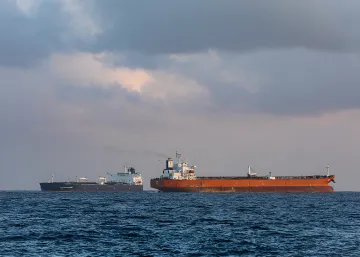
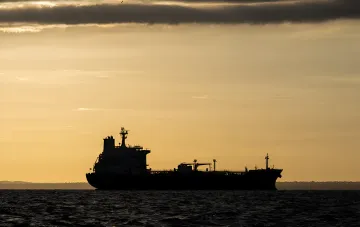
One of the most resonant incidents occurred in the Black Sea. India issued a firm protest following a Russian missile strike on the cargo ship MV Golden Leo off the coast of Odesa. The tragedy claimed the lives of four Indian citizens. The country's Ministry of Foreign Affairs clearly stated its position: attacks on civilian vessels are absolutely unacceptable.
Experts from the Ukrainian Foreign Intelligence Service note that New Delhi's reaction illustrates a "tectonic shift" in relations. India, previously often viewed as a strategic partner of Russia, was forced to take a hard stance in defense of its citizens. This calls into question the effectiveness of Russia's "pivot to the East" strategy.
Azerbaijan: From Protest to Europe's Energy Independence
The situation in the South Caucasus has also intensified. Azerbaijan sent a note of protest after Russian forces attacked a SOCAR gas station in the Mykolaiv region. Baku demanded an investigation and adherence to norms for the protection of civilian infrastructure.
However, the consequences of this incident go far beyond diplomatic notes. The President of Azerbaijan officially declared readiness to completely replace Russia in the European hydrocarbon market. The loss of status as a reliable energy partner opens the door for alternative suppliers, which are actively taking up the freed market share.
Botswana and the Problem of Recruitment
A separate vector of pressure comes from Africa. Botswana officially expressed concern regarding the growing number of cases of fraudulent recruitment of its citizens to participate in hostilities on the side of the Russian Federation. This confirms a trend where the African continent is gradually distancing itself from Moscow due to the use of aggressive recruitment schemes.
Conclusion: Narrowing Diplomatic Space
The combination of these events forms a worrying picture for the Kremlin. Aggressive policy is increasingly alienating international partners, narrowing maneuvering opportunities. As noted by intelligence services, Russia's authority in the world continues to decline, and attempts to find new allies are met with real dissatisfaction with their actions. Diplomatic demarches from countries previously considered close partners are becoming an increasingly frequent phenomenon.