Amid unprecedented pressure on Russia's energy infrastructure, Moscow is forced to resort to a complex logistical scheme. Russia is expecting a large shipment of gasoline from India, which was produced from Russian crude oil. This paradoxical import has become a necessity following a series of successful Ukrainian drone strikes on Russian refineries, which have caused significant damage to domestic fuel production.
The Complex Route of the Tanker Garnet
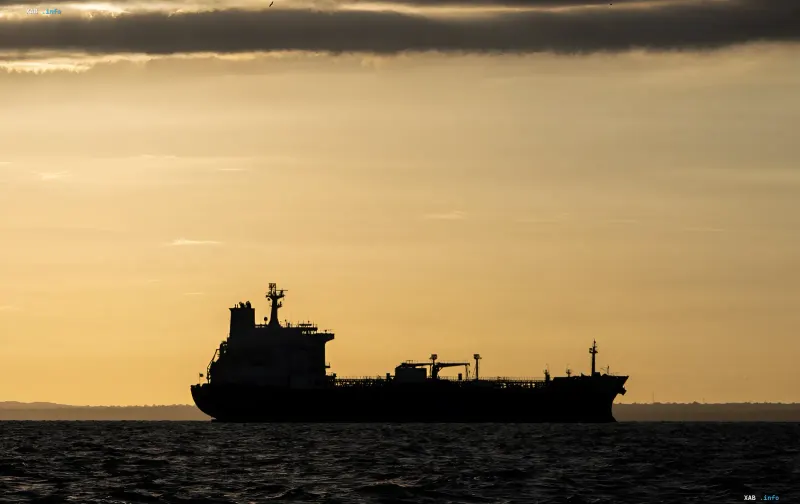
According to data from the analytics company Kpler, a tanker carrying 42,000 tons of gasoline is scheduled to arrive at an oil terminal in northern Russia on Sunday. The fuel was produced at an Indian refinery in Vadinar. The route of this cargo turned out to be extremely convoluted and long. Initially, the fuel was loaded onto the vessel Agni at the port of Vadinar on June 18.
However, on July 6, in the open sea off the Mediterranean coast of Egypt, a complete transshipment of the cargo took place: the entire load was transferred from the Agni to another tanker, the Garnet. As of July 22, the vessel Garnet was already heading north, charting a course along the coast of Norway to deliver the fuel to its destination.
Indian Refinery and Russian Oil
The situation takes on a special context when considering the ownership structure of the Indian enterprise. As reported by the Financial Times, 49% of the shares of the refinery in Vadinar belong to the Russian company Rosneft. Furthermore, more than 90% of the crude oil processed at this plant comes from the Russian Federation.
This creates an ironic picture: Russia, whose oil is exported by sea to India (the main seaborne importer of Russian oil since 2022), is now forced to import the already refined fuel back. India has effectively become a transit hub for processing Russian raw materials, which then return home as a finished product.
Consequences of Strikes on Refineries
The cause of such a complex scheme is the critical situation with domestic production. Over the last two months, Ukrainian drone strikes have disabled up to 40% of the capacity of Russian refineries. The fuel shortage has already affected the lives of about 50 million Russians, creating problems with refueling within the country.
The lack of fuel is also felt in the military sphere. Russian troops are complaining of an acute shortage of gasoline and diesel fuel for military vehicles, which directly affects logistics and the combat readiness of occupation forces. Despite this, Vladimir Putin acknowledged the difficulties in supplying fuel but assured that the situation is allegedly "not critical".
Export Redirections
To alleviate the shortage, Russia has begun redirecting fuel flows. In particular, Moscow has started taking gasoline from Belarus, which was originally intended for export to Central Asian countries. This decision, along with imports from India, indicates that the Russian fuel system is under serious stress and is forced to find detours to meet its own needs.