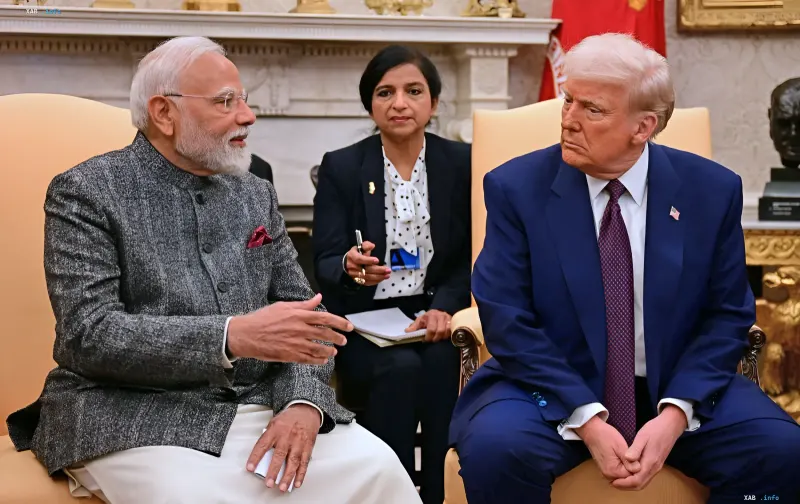
A significant diplomatic setback occurred in New Delhi: Indian authorities officially rejected Washington's proposal to conclude a trade agreement on an urgent basis. Instead of signing the document "in a rush," Delhi decided to adopt a wait-and-see approach, hoping for more favorable conditions in the future. This decision was the result of recent negotiations that failed to ratify even a temporary economic pact.
Red Lines and Lack of Guarantees
The main reason for the deal's collapse was the lack of guarantees from the US. The Indian delegation insisted on receiving tariff preferences, especially in comparison with China, as well as protection against the introduction of new American duties in the future. Without these conditions, signing the document was impossible.
A government source in India voiced the country's tough stance: "We do not intend to rush into a deal concluded on unfavorable terms, or compromise on red lines, such as ceding ground in agriculture." For New Delhi, protecting the agricultural sector and the domestic market is a priority that is non-negotiable.
Washington Pressure and Tariff Threats
The US, in turn, was counting on concessions from its partner. The Donald Trump administration is preparing to introduce new tariffs — up to 12.5% for a number of countries. Washington accuses Delhi of creating excess industrial capacity and insufficient control over the use of forced labor. According to the American side, trade preferences must be earned through reciprocal steps.
White House representative Kush Desai stated that the administration continues to "interact productively" with Indian officials to complete a "historic trade deal that puts Americans and America first." However, American officials complain about the slow and overly bureaucratic negotiation process in India.
Strengthening New Delhi's Position
India's decision not to yield to US pressure is backed by real economic successes. Prime Minister Narendra Modi's position has significantly strengthened thanks to a 15% growth in exports in the second quarter and successful diversification of trade ties. Trade with Gulf countries has intensified, a free trade agreement with the UK has come into force, and a deal with the European Union is next in line.
Furthermore, the decline in global oil prices has improved the country's financial indicators. Goldman Sachs analysts raised their forecast for India's economic growth in 2026 to 6.8%. Expert Wendy Cutler noted that Indian negotiators gained certain influence precisely due to the country's strong economy and strategic position.
Strategic Waiting
Delhi is also taking into account internal political processes in the US, where Democrats are challenging Trump's tariffs in court. Ahead of local elections, Modi's party is interested in protecting the interests of farmers and small businesses, so postponing the deal may be a more reasonable step.
As analyst Ajay Srivastava emphasized: "India realizes that delaying — or even refusing — a hasty deal may be more sensible than taking on obligations whose cost could significantly exceed any temporary reduction in tariffs".
It is worth noting that India has previously demonstrated caution in relations with Washington, refusing to purchase Russian liquefied natural gas subject to US sanctions. Despite a fuel shortage, Indian companies decided not to acquire such shipments to avoid possible restrictive measures.