In late autumn and early winter, indoor roses require special attention. Dry air from radiators, short daylight hours, and temperature fluctuations can affect the condition of the flower, especially if it was recently brought home from a store. After the heating is turned on, plant care conditions change dramatically: the soil near radiators dries out faster, while reduced daylight hours and slowed growth may decrease the plant's need for water. It is precisely this contradiction — drying substrate combined with decreased water requirements — that often confuses owners, leading them to either overwater or underwater the rose.
Diagnosis First, Treatment Second
Warm, dry air creates favorable conditions for the reproduction of spider mites, which damage rose leaves. Therefore, before changing the watering routine, replanting, or fertilizing the flower, it is necessary to determine the real cause of wilting. Based on University of Maryland recommendations for indoor plant diagnostics, it is important to understand that losing some leaves and buds does not mean the rose is dead. If the plant has healthy roots and living shoots, it is capable of recovering.
Light and Temperature: Basic Parameters
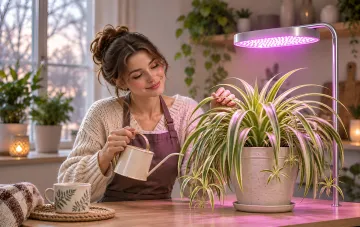
Miniature potted roses require intense lighting. In winter, it is best to place them near a south- or west-facing window, and use a phytolamp if natural light is insufficient. According to Iowa State University data, the optimal daytime temperature for active growth of a miniature rose is around 21 degrees Celsius, and the nighttime temperature should not fall below 16 degrees. The pot should not be placed right next to a hot radiator or cold window glass, and during room ventilation, the flower must be protected from drafts of cold air.
Watering: Daily Monitoring Without Stagnation
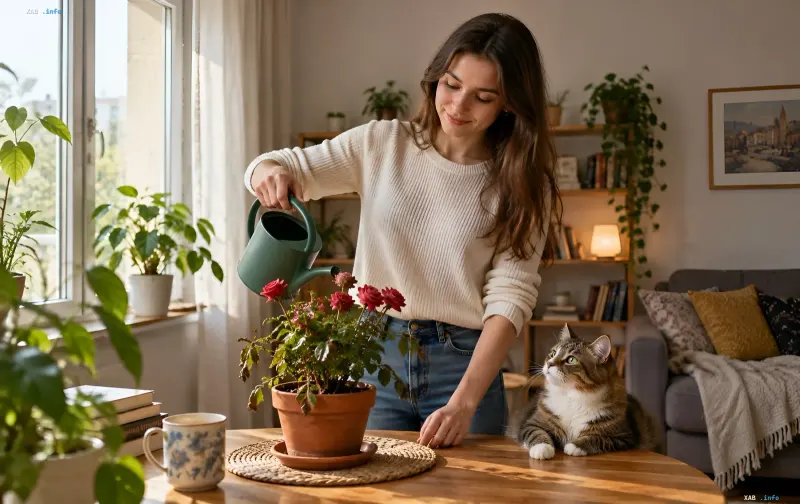
Special attention to soil moisture is required during the first two weeks after purchasing a rose. The condition of the substrate should be checked daily, but the plant should be watered only after its surface has dried out. The soil must be moistened evenly until water begins to drain through the drainage holes. If the rose is in a decorative cache-pot, the pot should be removed during watering and returned only after excess water has drained off. It is critical to avoid both complete soil drying and prolonged water stagnation near the roots.
Pruning and Fertilization Without Rush
Wilted flowers, yellowed leaves, and completely dried shoots should be carefully removed using clean scissors or pruners. If the rose is weakened, heavy pruning should be avoided: preserve living shoots and healthy leaves whenever possible. Fertilizers will not help if the wilting is caused by root damage, improper watering, or lack of light. The need for feeding depends on the growth intensity: if the rose produces almost no new leaves and shoots in winter, feeding should be postponed until active growth resumes.
Roots and Pests: When Replanting Is Needed
If the pot has drainage holes, the substrate drains well, and the roots are healthy, it is better to give the rose time to adapt to new conditions. However, if there are signs of root rot, replanting should not be delayed: damaged areas are removed with a clean tool, and the plant is transplanted into fresh substrate. For a healthy rose, choose a slightly larger pot with drainage holes and loose, well-draining soil. Warm, dry air promotes the reproduction of spider mites, which feed on the plant's cell contents: light spots appear on the leaves, which later turn brown and dry out. Pests can be identified before a characteristic web appears. If infested, isolate the rose from other plants and wash the leaves with water, paying attention to the underside; if necessary, use insecticidal soap or a product approved for residential use. Dish soap should not be used, as it can damage the foliage.
Miniature Roses Are Not Typical Indoor Plants
Despite the name, the miniature rose is not a typical indoor plant: it is harder to provide it with enough natural light in an apartment, especially in winter. As noted in the RHS material, such a plant is well-suited for container gardening. In spring, when the threat of frost has passed, the pot can be moved to a balcony, terrace, or garden, gradually acclimatizing the rose to outdoor conditions and brighter sunlight.