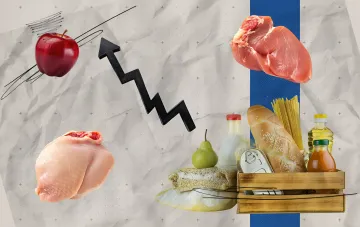
In September 2026, consumer prices in Ukraine showed a noticeable increase, rising by 2.1% compared to August. Year-on-year, inflation reached 10%, prompting experts and ordinary citizens to monitor the state of the consumer basket more closely. The State Statistics Service of Ukraine published a detailed report showing price dynamics across key categories of goods and services.
Price Growth Leaders: Education, Clothing, and Eggs
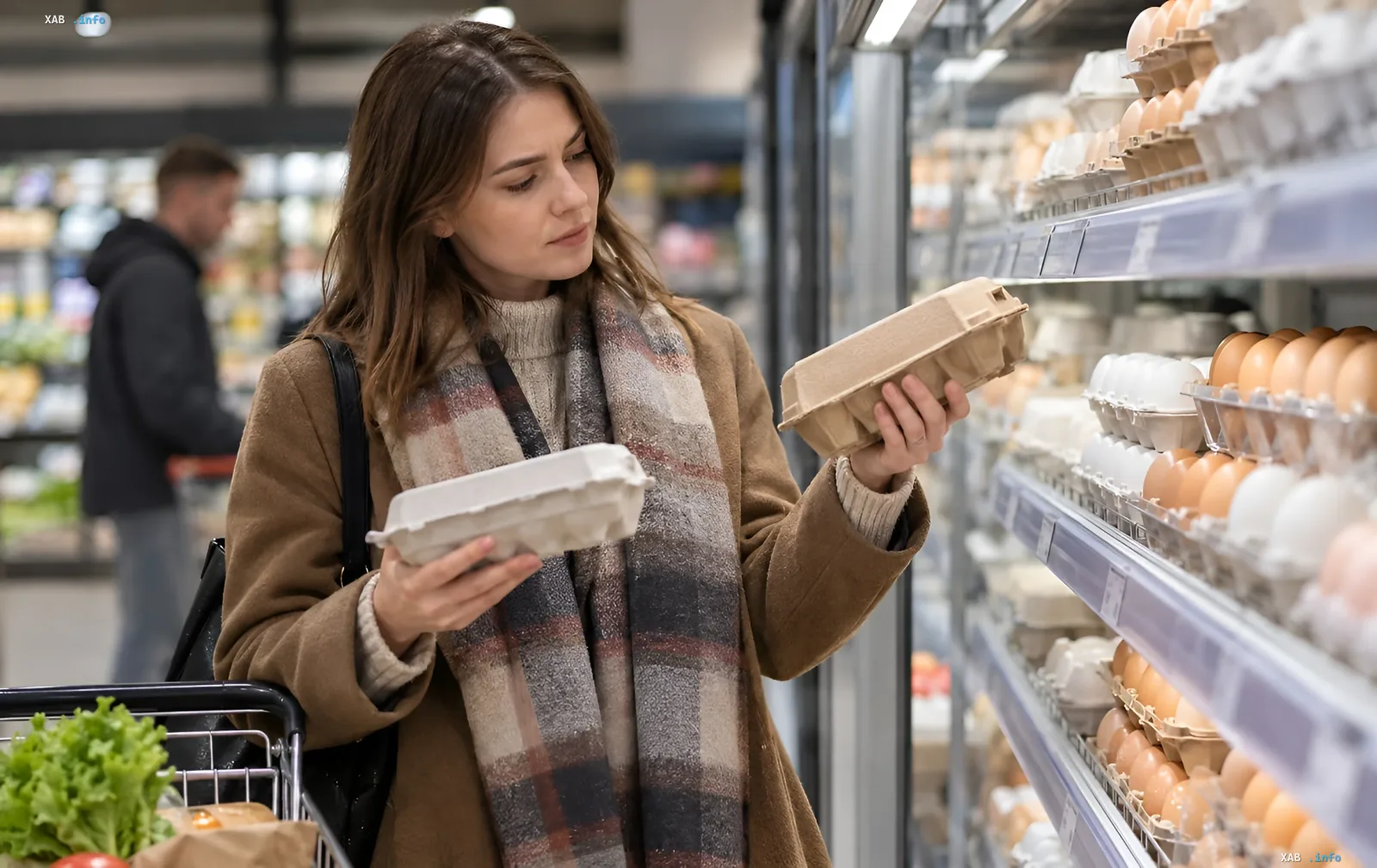
The education sector saw the highest price increase in the first month of autumn, jumping by 17.4%. Specifically, higher education prices rose by 23.3%, and secondary education by 14.3%, while preschool and primary educational institutions raised prices more modestly by 2.7%. In addition, significant seasonal growth was recorded in the clothing and footwear segment, which added 8.5% in price. Clothing became 9.4% more expensive, and footwear 7.6%. Food products did not lag behind: food and non-alcoholic beverages increased in price by 1.9%, with chicken eggs becoming the absolute record holder, jumping in price immediately by 43.6%.
Utilities, Transport, and Medical Services
The housing, communal services, and energy sector also saw moderate growth: water, electricity, gas, and other types of fuel rose in price by an average of 0.8%. Water supply (an increase of 5.6%) and sewage (5.5%) made the largest contribution, while tariffs for electricity, gas, and heating remained unchanged. The transport sector showed an increase in fuel and lubricants by 5.2%, and passenger road transport services grew by 2.5%, while railway passenger travel even became slightly cheaper by 0.3%. Medicines and pharmaceutical products increased in price by 2.5%.
Contradictory Data
While official data from the State Statistics Service records a general jump in inflation to 10% year-on-year and a sharp rise in the price of certain items, market participants note the heterogeneity of price trends. The official methodology is based on monitoring an averaged consumer basket, but real inflation for individual households can differ significantly. For example, falling prices for seasonal vegetables and fruits partially compensated for the strong increase in the cost of eggs and dairy products, which is why citizens' perception of inflation often turns out to be higher than official statistical indicators.
Results and Forecasts Until the End of the Year
An analysis of the current macroeconomic situation shows that the impact of the exchange rate and internal production factors continues to determine price dynamics on store shelves. Experts predict that the trend towards a smooth increase in food prices, in particular meat, milk, and eggs, will persist until the end of the year. State agencies continue to monitor the market to respond promptly to price fluctuations and ensure the transparency of statistical data for the population and business.