In August 2026, the technological landscape of the space industry is undergoing fundamental changes. Intel, one of the world leaders in microelectronics, has filed a patent application revealing the concept of an orbital data center. This initiative proposes a radical shift of some computing resources from Earth to orbit, which could fundamentally change the approach to managing large-scale satellite constellations.
From ground servers to orbital nodes
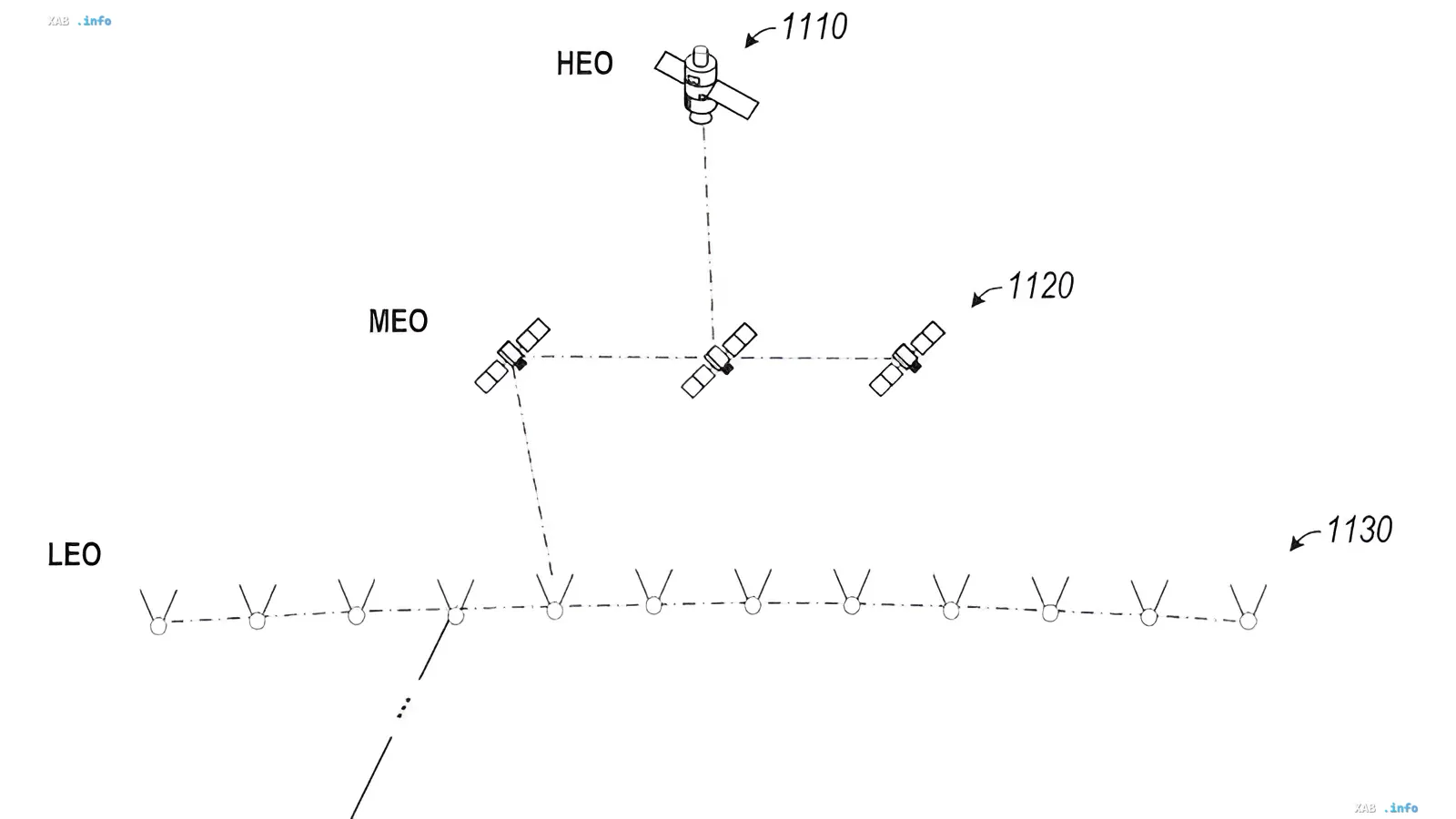
According to the patent application documents, Intel proposes an architecture where a significant portion of the computing load, traditionally placed on ground data centers and flight control centers, will be moved to space. The key idea is to create a two-tier satellite network. In this scheme, a small number of powerful satellites located in high orbits (HEO, MEO, or geosynchronous) take on the role of the "brain center".
These high-orbit nodes manage huge constellations of relatively simple spacecraft located in Low Earth Orbit (LEO). It is these powerful satellites that perform tasks such as traffic routing, mission planning, scheduling, and coordinating interaction between thousands of satellites. This minimizes the need for constant data transmission to Earth for processing, which is critical in conditions of communication latency and channel congestion.
Solving the constellation scaling problem
The relevance of Intel's development is driven by the rapid growth in the number of satellites in orbit. Major projects, such as SpaceX Starlink and Amazon Kuiper, are deploying thousands of spacecraft that are in constant motion relative to each other and the Earth's surface. Managing such a complex dynamic system from Earth is becoming increasingly difficult.
Modern algorithms must determine routing in real-time, allocate the frequency spectrum, and respond to failures, interference, or weather conditions. Intel claims that moving these computing tasks to orbit will allow operators to create simpler and cheaper spacecraft for low orbit. Instead of loading each satellite with complex onboard equipment for network management, these functions are delegated to powerful nodes at altitude.
Debunking myths about artificial intelligence
It is important to note that the Intel patent application does not refer to orbital data centers for launching powerful artificial intelligence (AI) models, as is often interpreted in popular media. The main focus of the application documents is on satellite communications and telecommunications. The architecture is designed to optimize the operation of the satellite networks themselves, rather than providing cloud computing power for users.
Nevertheless, the use of high-performance processors in space opens up prospects for autonomous system operation. Powerful satellites in high orbits can maintain an overview of the entire low-orbit constellation, ensuring continuity of control even in the event of a temporary loss of communication with ground stations.
Contradictory data
There is some confusion in the interpretation of the goals of orbital computing. On the one hand, Intel clearly positions its development as a tool for managing communication networks. On the other hand, there is a parallel trend in the industry to create orbital data centers specifically for AI tasks. For example, in 2026, Solidion Technology presented patented battery technology for extreme conditions, stating its intended use for "AI-based orbital data centers".
Although both technologies are aimed at developing computing power in space, their tasks differ. Intel focuses on infrastructure management (routing, coordination), while other players, such as Solidion, are betting on power supply for heavy computing loads associated with training and inference of neural networks. It is important not to mix these directions, although they may complement each other in the future.