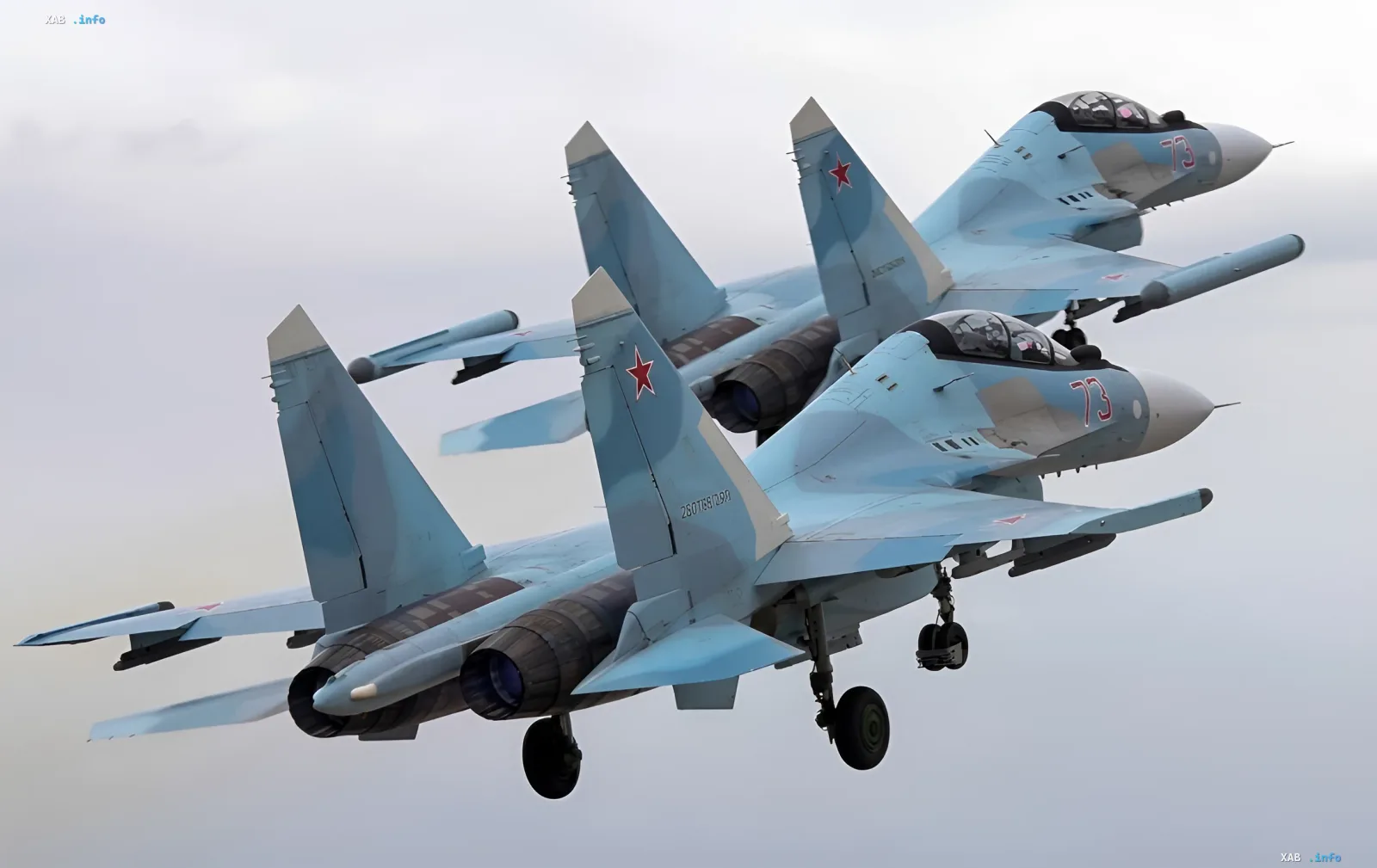
On July 15, a tense situation unfolded over the Baltic Sea, becoming the latest episode in a series of incidents between Russian and Western military blocs. Two Russian multi-role Su-30SM2 fighters, departing from an airfield in the Kaliningrad region, deliberately approached the site of large-scale air defense (AD) exercises in Poland.
According to Polish Defense Minister Władysław Kosiniak-Kamysz, the actions of the Russian aviation were not accidental. Warsaw interpreted the maneuver as aggressive observation of the AD systems' coordination process, which was being conducted as part of the preparation of the Polish Armed Forces.
Interception and Escort
In response to the approach of the Russian aircraft, Polish command scrambled a pair of fighters from the base in Malbork. The aircraft successfully carried out the interception mission and escorted the Su-30SM2s, ensuring the safety of the airspace. However, as the minister clarified, the Russian pilots did not violate the border and did not enter Polish airspace.
The situation was complicated by the presence of other forces in the sky. A pair of Swedish fighters was also operating over the Baltic and joined the escort of the Russian aircraft, demonstrating the coordination of actions between NATO countries and alliance partners.
Context of Escalation
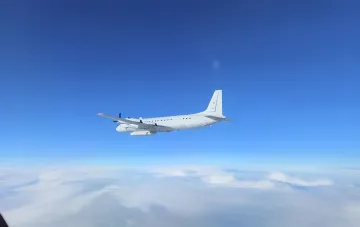
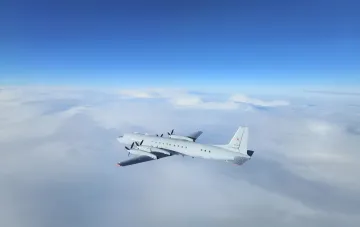
This incident was the second in two days. Just the day before, on July 14, Polish aviation intercepted a Russian Il-20 reconnaissance aircraft over the Baltic. That incident occurred approximately 30 kilometers from the city of Ustka, also as part of airspace monitoring.
Events in the region are taking place against the backdrop of strategic changes in NATO's security architecture. The Baltic Air Policing (BAP) mission has undergone significant transformation: it has now officially acquired the status of an air defense mission. Previously, the main task of the mission was merely to detect and escort Russian military aircraft near the borders of the Baltic states, but the current situation required stricter response measures.
The rise in tension in the region is not limited to the Baltic. In April of this year, a similar tense situation arose over the Black Sea, where two Russian fighters performed a dangerous interception of a Royal Air Force RC-135 Rivet Joint reconnaissance aircraft. The British aircraft was unarmed and conducting routine surveillance, which provoked sharp criticism from London.