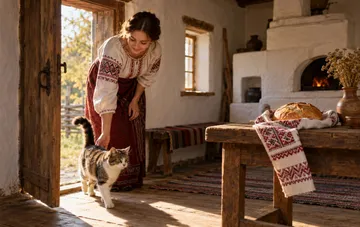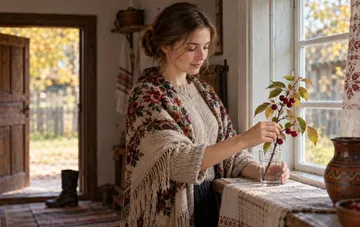
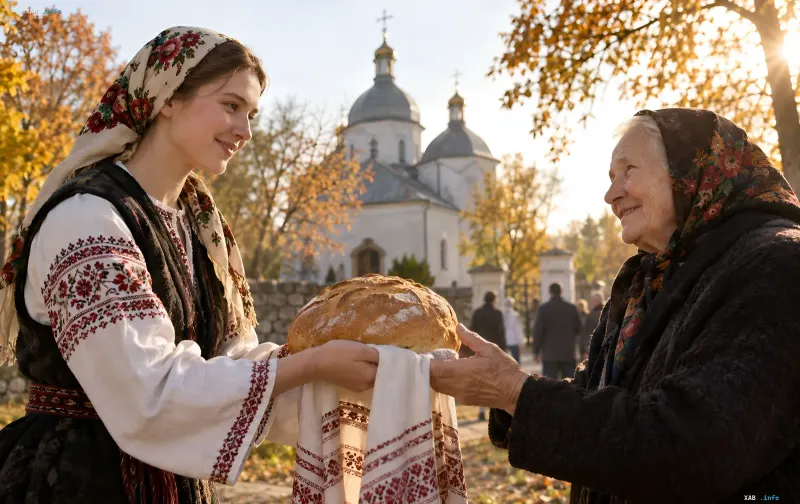
The Feast of the Intercession of the Blessed Virgin Mary, celebrated by Ukrainians on October 1, has long held a special place in the traditional calendar. On this day, people traditionally put aside heavy household chores to dedicate time to prayer, rest, and gathering with loved ones. According to traditions shared by folklorist Daria Antsibor, working around the house on the holiday was considered a grave sin, as the Intercession marked an important milestone in the annual calendar cycle.
Holiday Traditions and the Completion of Fieldwork
By October 1, peasants tried to complete major fieldwork, including harvesting and preparing households for the upcoming cold weather. According to folk beliefs, digging the earth, plowing, and sowing after the Intercession was strictly discouraged. However, harsh economic realities made adjustments, and traditional culture allowed a clear exception for families lacking working hands. Late sowing was respectfully called «widow's and orphan's» sowing, highlighting community social solidarity.
Customs of Hospitality and Aid to the Needy
The morning of the holiday began with attending church services, after which Ukrainians gathered for family meals and visited relatives, godparents, and matchmakers. Special attention was paid to charity and supporting vulnerable populations. In Galicia, wealthy citizens organized special dinners for the poor and wanderers, while in Zvenigorodshyna, people began regularly commemorating deceased relatives from this day on, distributing loaves, nuts, and fruit to the needy, fully reflecting the holiday's core idea of protection and care.
Contradictory Data
There are certain discrepancies in historical and ethnographic sources regarding livestock grazing rules after the holiday. Some researchers, including ethnologist Mykhailo Tyvodar, specify that only sheep grazing began on the Intercession, whereas cattle were released onto harvested fields much earlier. At the same time, Carpathian communities held the view that free grazing opened on any land after the holiday, emphasizing the diversity of local Ukrainian traditions.
Connection to Cossacks and Social Significance
The significance of the Intercession extended far beyond the private life of an individual family, uniting the entire community. Zaporozhian Cossacks revered the Virgin Mary as their main protector, and the central church on the Sich was dedicated to her. Additionally, the holiday symbolized patronage over various craft associations, such as blacksmith guilds, marking the final transition from autumn agricultural worries to preparations for the winter period.