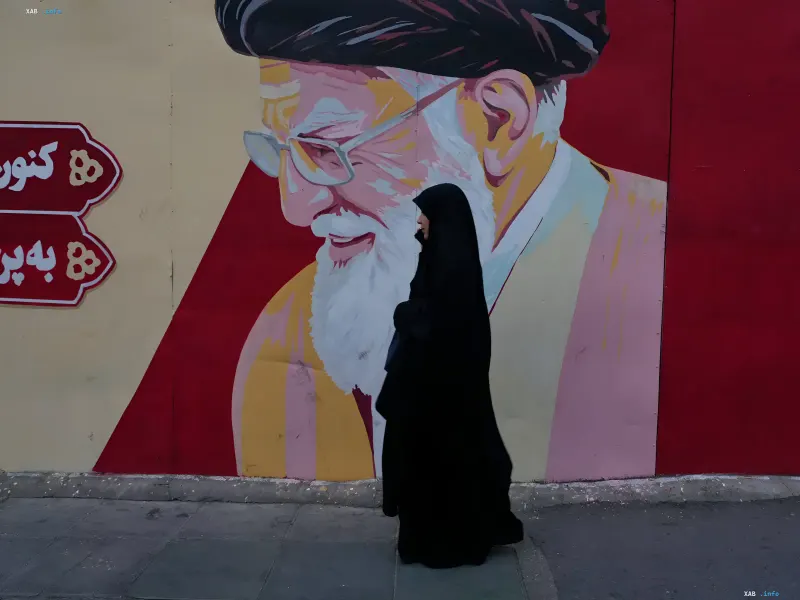
On Monday, November 23, 2026, authorities in the Iranian city of Qom carried out a sentence of 74 lashes against singer Parastoo Ahmadi and four members of her concert and production crew. According to local media reports, this was announced by the artist's lawyer, Mostafa Nili. The punishment was executed at the third branch of the criminal sentencing enforcement office in Qom, with the defense stating that the department insisted on the immediate execution of the court ruling.
Sentence for a Concert Without a Hijab
Back in June, a court in Qom sentenced the five defendants, finding them guilty of "producing and distributing pornographic and immoral content online" and of "offending public morality." The prosecution was triggered by a video showing Ahmadi performing without the mandatory hijab alongside male musicians. According to the defense, this concert was broadcast live and uploaded to YouTube in December 2024.
Details of the Punishment and Additional Restrictions
In addition to receiving 74 lashes each, the singer and her four co-defendants were banned from engaging in artistic and musical activities for two years and prohibited from leaving Iran. Lawyer Mostafa Nili shared the details of the sentence's execution with the news site Emtedad, emphasizing that the punishment was carried out in Qom on Monday.
International Reaction and Tehran's Stance
Western governments and human rights organizations condemned the flogging, classifying it as a form of torture that violates international law. Iran, in turn, has rejected criticism of its human rights record, stating that Western countries should first address human rights violations within their own borders.
Context: The Hijab as a Flashpoint
Mandatory hijab laws in Iran have become a major flashpoint since 2022, when Kurdish-Iranian Mahsa Amini died in custody after being detained for an alleged dress code violation. Since then, growing numbers of women in Tehran and other cities have openly flouted these rules, while authorities have reportedly applied them with increasing selectivity. Ahmadi's case has become one of the most resonant examples of how the country's judicial system responds to public performances that fail to comply with mandatory hijab norms.