Ikhlas Khidr, a survivor of the Islamic State (ISIS) captivity, made a striking statement at hearings in Berlin, accusing the current Syrian President, Ahmed al-Sharaa, of involvement in crimes against the Yazidi people. During the work of the first public commission to establish facts of the Yazidi genocide, held from November 16–18, 2026, Khidr claimed she saw al-Sharaa in a house where she was held captive by militants after being abducted in 2014.
Details of Ikhlas Khidr's Testimony
According to Khidr, during al-Sharaa's visit to the house where she was kept in slavery, she was forced to serve him tea. The witness emphasized that the guest was aware of her status as a Yazidi captive. Khidr noted that unlike the wives of militants, who were forbidden from appearing before men, she was forced to serve guests. She clarified that al-Sharaa did not commit sexual violence against her, but the very fact of his presence in the place where slaves were held has triggered a major international investigation.
The Work of the Yazidi Genocide Commission
The hearings, organized by civil society with financial support from the UK government, brought together about 30 victims who recounted mass killings and enslavement. The seven-commissioner body is chaired by Helena Kennedy and includes the 2026 Nobel Peace Prize laureate Navanethem Pillay. The commission's findings are expected to result in a comprehensive report with recommendations for international governments to establish a special international court for war crimes.
Political Context and Response to Allegations
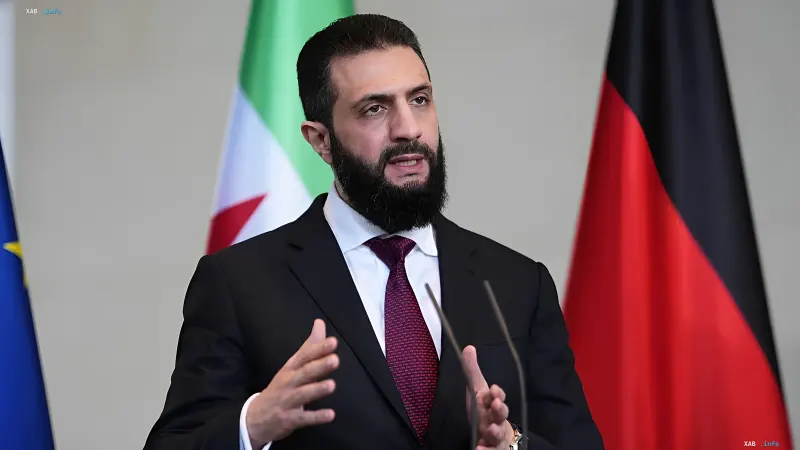
Ahmed al-Sharaa, who came to power following the fall of Bashar al-Assad's regime in December 2024, is actively attempting to reshape his political image by distancing himself from his past in Al-Qaeda and Jabhat al-Nusra. He has previously claimed that his views changed radically and his participation in armed factions in his youth was dictated by circumstances following the US invasion of Iraq. The Syrian government has not yet officially commented on Khidr's testimony, which threatens to undermine Damascus's diplomatic efforts to normalize relations with the international community.
Significance for the Region's Future
The public testimony of Ikhlas Khidr creates a serious legal and moral obstacle to the international legitimization of the current Syrian leadership. As international justice begins to focus on the atrocities of the last twelve years, the issue of the personal accountability of Syria's top leadership for the era of extremist dominance is becoming central. The upcoming commission report could trigger new legal procedures that will challenge the stability of Ahmed al-Sharaa's political course.