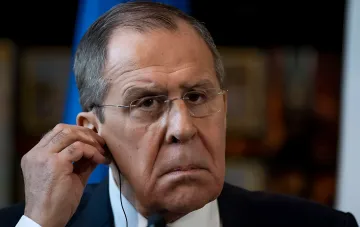
On August 18, 2026, the geopolitical situation in the Middle East reached a critical point. A high-ranking Iranian official, speaking to the media, officially announced Tehran's shift to an offensive policy. The focus is on the Strait of Hormuz — a strategic hub of global trade — where, according to the Iranian representative, the movement of oil tankers has not resumed in the expected volumes. The negotiation process, which was supposed to stabilize the situation, has effectively reached a deadlock.
Strict deadline for Washington
Iranian authorities have set a strict time limit for the United States. Within a "short period of a few weeks," Washington must fulfill all provisions of the preliminary agreement signed earlier. The official emphasized that this is not just a recommendation, but a mandatory prerequisite for continuing any further diplomatic contacts. Intermediaries must already notify the US and other countries in the region about the approach of this deadline. If the conditions are not met, Iran reserves the right to take radical measures.
Threat of military strike and breaking the blockade
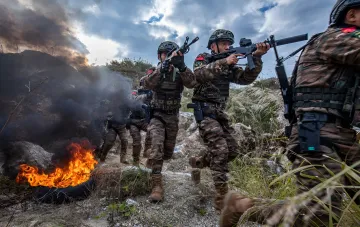
In the event of the failure of diplomatic efforts, Tehran is prepared to carry out a "timely and precise military strike." The goal of such actions will be to break the naval blockade, which, according to the Iranian side, is damaging the national economy and sovereignty. Iranian structures, including the Islamic Revolutionary Guard Corps (IRGC), have been instructed to be ready for an escalation of tension not only in the area of the Strait of Hormuz but also in the wider region. This signals the large-scale nature of the planned operations.
Background: from the June memorandum to new confrontation
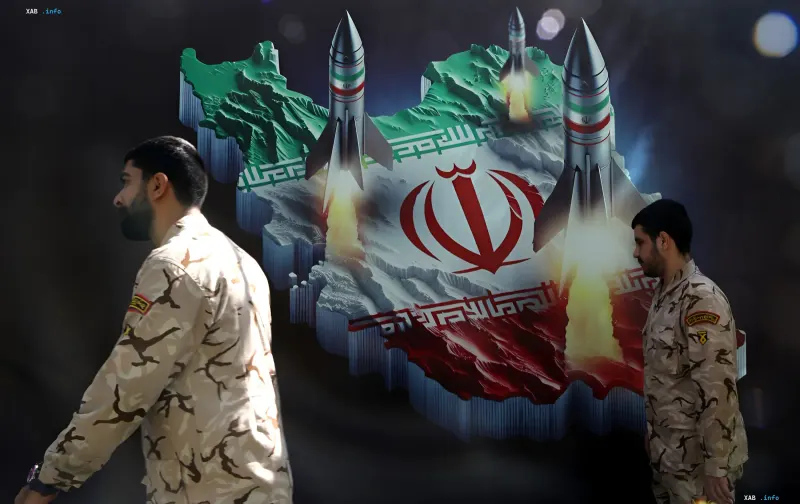
The context of the escalation lies in the events of mid-June 2026, when the US and Iran signed a memorandum of understanding. The document provided for a temporary cessation of hostilities and the creation of conditions for dialogue. However, according to data obtained from sources in Washington (specifically, WSJ), the Iranian leadership used this period of calm for active preparation for a possible new round of conflict. In the country, the IRGC's control over the regular army has intensified, veterans of the war have been appointed to key command positions, and internal counterintelligence operations have been expanded to prevent sabotage.
Contradictory data
There is a discrepancy in the interpretation of Tehran's current actions. On the one hand, official statements by Iranian officials emphasize that the shift to an offensive policy is a forced measure in response to the US failure to meet the terms of the agreement. On the other hand, Western analysts and intelligence sources indicate that Iran is systematically increasing its military potential — the production of missiles and drones — even before the deadline expires, which indicates a long-term intention to escalate, rather than just a tactical maneuver. For now, Tehran insists on a diplomatic solution, but military preparations are in full swing.