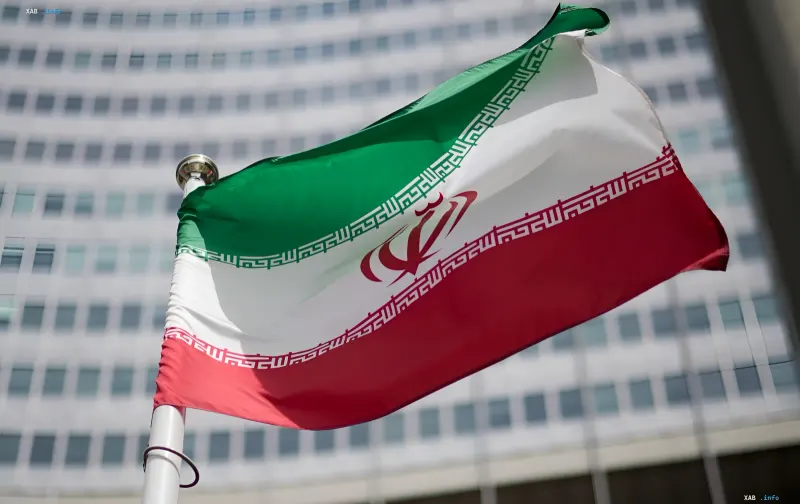
The Commonwealth of Independent States is considering granting Iran partner status within the association. This was announced by CIS Secretary-General Sergey Lebedev, as reported by RBC-Ukraine citing TASS. According to him, the discussion involves Tehran's participation in an expanded "CIS+" format, the prospect of which Iranian President Masoud Pezeshkian discussed at a summit in Turkmenistan on October 9. Lebedev noted that the initiative has aroused interest among many CIS countries and that assessments are predominantly positive.
The "CIS+" format and the first precedent
A key point in the CIS Secretary-General's statement is that if the initiative is approved, Iran will be the first country to receive partner status in the Commonwealth. This means that Tehran will not become a full member of the organization, which currently consists exclusively of former USSR states, but will be connected to the process through a special expanded format. Such a mechanism allows for maintaining the institutional logic of the CIS while simultaneously opening a channel for interaction with external states in the region.
Tehran's position: trade, energy, and infrastructure
Earlier, Masoud Pezeshkian explained that expanding the "CIS+" format could open additional opportunities for interaction between regional states in trade, investment, and technology. Among the areas of potential cooperation, the Iranian leader mentioned mineral extraction and transport infrastructure development. Thus, the initiative is built around a practical economic agenda, not just declarative diplomacy.
Common energy grid and alternative payments
Separately, Pezeshkian proposed combining the countries' energy capabilities into a common grid, which, in his view, would allow coordinating the production and supply of oil, gas, and electricity rather than competing for sales markets. The Iranian leader also emphasized the need to develop alternative payment mechanisms, particularly barter, which he believes will help countries maintain trade ties despite sanctions. These points form the economic rationale for Iran joining the expanded format.
Context and further steps
At the moment, partner status for Iran has not been granted: the initiative is under consideration, and the final decision will depend on the position of the CIS member states. Nevertheless, as Lebedev notes, the reaction to the proposal is generally positive, indicating a political demand for expanding the economic contour of the Commonwealth beyond the post-Soviet space. The future of the "CIS+" format will be one indicator of how the CIS will adapt to the current geopolitical and sanctions reality.