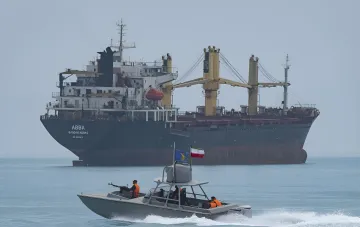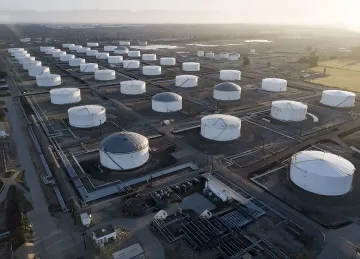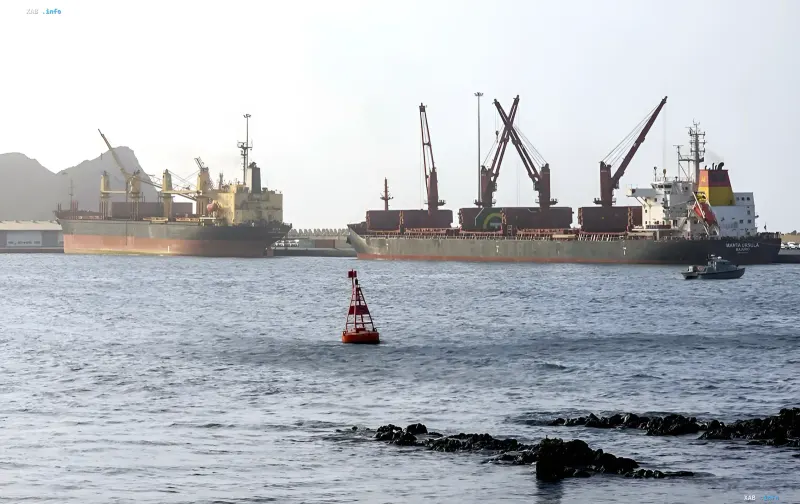
The issue of control over the Strait of Hormuz, one of the key arteries of global trade, has once again become the center of attention for geopolitical observers. According to the latest data, Iran may gain partial control over vessels passing through this strategic node into the Persian Gulf. This discussed agreement between Tehran and Muscat could radically change the balance of power in the region.
The essence of negotiations: from 7% to voluntary contributions
At the center of the discussions is a proposal to levy fees for the passage of ships. According to a senior Iranian official, Tehran initially insisted on a fixed tariff of 5 to 7% of the cargo value. However, Oman, which controls the opposite bank of the strait, proposed more modest rates — around 3%.
The situation is complicated by the fact that other Persian Gulf countries insist on inspecting ships based on nationality and propose making any payments voluntary donations. Such a compromise could become a way out of the deadlock, although experts note: the implicit threat of Iranian attacks makes shippers unlikely to risk transit without payment.
US position and market reaction
US officials have repeatedly stated that Washington will never accept an agreement on Iran's control over the Strait of Hormuz. Nevertheless, there are no direct negotiations between the US and Iran — Tehran is holding a dialogue with Oman. Last week, Iran rejected Muscat's previous proposal, calling it insufficient.
Markets reacted to news of possible concessions to Iran with a rise in oil prices on August 5. This occurred after Yemeni Houthi rebels announced an attack on a tanker flying the Saudi Arabian flag in the Red Sea. Earlier, global crude oil prices fell to minimum levels since the beginning of July after Donald Trump cancelled new attacks on Iran.
Key details of the agreement
According to Reuters sources, the current text of the agreement provides for Iranian control over ships heading to the Persian Gulf through Hormuz. However, there is no agreement regarding Tehran's role concerning ships heading in the opposite direction.
It is important to note that on July 29, two Iranian companies and eight tankers were subjected to US economic restrictions. US Treasury Secretary Scott Bessent previously stated that Washington and Tehran are a step away from a peaceful agreement if they coordinate the issue of control in Hormuz.
What's next?
Sources have refuted US President Donald Trump's statement that "an agreement to resume shipping through the strait is inevitable." They emphasized that important details still need to be agreed upon. Nevertheless, one of the biggest concessions to Iran has already been made — regarding a certain form of control over the Strait of Hormuz.
The international community is anxiously awaiting the results of the negotiations, which could determine the future not only of regional security but also of global energy supply chains.