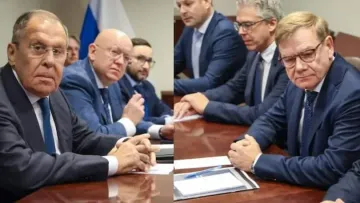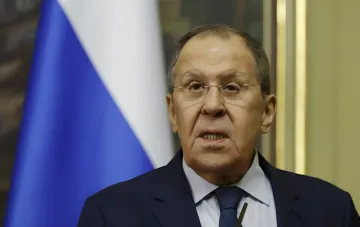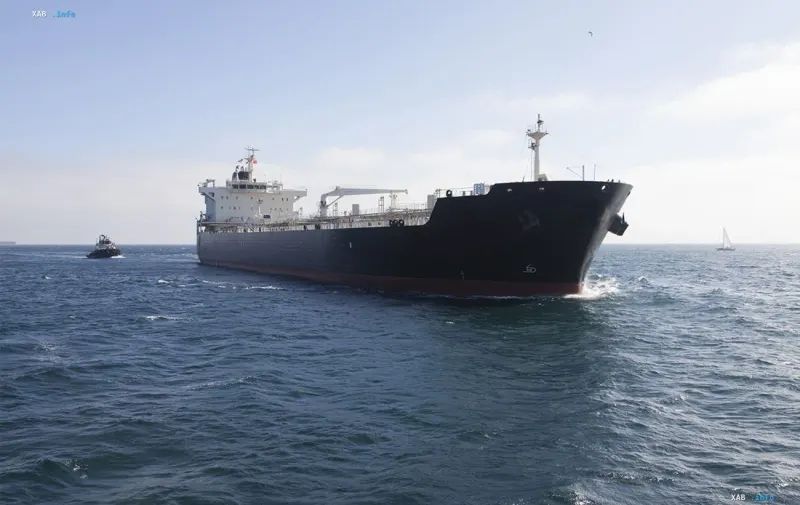
Iran has declared its readiness to restore shipping in the Strait of Hormuz within seven days, but tied this to two key conditions: the cessation of military pressure from the United States and the lifting of the blockade on Iranian port zones. The statement came against the backdrop of the Iranian delegation's presence in New York for the UN General Assembly session, where, according to Tehran's representatives, the delegation has been empowered to resume contacts with the American side. In effect, Iran has set a timeline and a price for its concession, turning the unblocking of one of the world's most critical oil arteries into a bargaining chip.
Unblocking Hormuz: Seven Days and Two Conditions
The Strait of Hormuz remains a critical point in the global economy: a significant share of global oil supplies passes through it, and its closure immediately affects energy prices and logistics. The Iranian side emphasizes that restoring shipping is possible quickly — within a seven-day window — but only on the condition that Washington officially renounces coercive leverage and lifts restrictions on port operations. In essence, Tehran is offering to trade economic unblocking for political de-escalation, locking it into a clear timetable.
The Diplomatic Track in New York
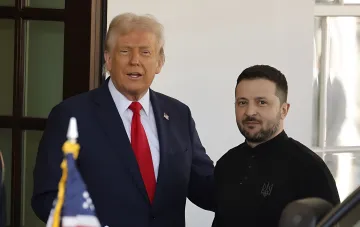
Tehran's official proposal to end hostilities, according to available information, was conveyed to the American side through intermediaries on September 16. Now the parties plan to discuss the details of a potential agreement during a meeting in New York with the participation of international mediators. An Iranian representative stated the demand clearly: the US must officially — not in verbal or semi-official formulations — declare its intention to resolve the issue through diplomatic means and agree on a timeline for the further development of the process. On Tuesday, Iranian leader Masoud Pezeshkian flew to New York; meanwhile, a personal meeting with US President Donald Trump at the UN headquarters is not yet planned, but the Iranian side notes its readiness to return to diplomacy if Washington takes concrete steps toward a resolution.
The Military Backdrop: Threats and Readiness to Respond
In parallel with the diplomatic signal, hardline military statements are being made. Iran's Central Military Command reported receiving data on US preparations to resume military operations with the support of regional countries and warned of its readiness to respond to any forceful moves. It was previously reported that the US intends to maintain its military presence in the Middle East at a level that would allow resuming combat operations if necessary, while Washington must decide on its further strategy regarding Iran. Against this backdrop, according to CNN, Russian reconnaissance satellites may have been passing data to Iran that helped strike US targets more precisely — a circumstance that further complicates the climate of trust for negotiations.
Contradictory Data
The statements of both sides show a notable duality that must be reflected honestly. On the one hand, Iran publicly demonstrates readiness for de-escalation: the seven-day deadline for unblocking Hormuz, the peace proposal conveyed on September 16, and the empowerment of the New York delegation to contact the US. On the other hand, the Iranian military command simultaneously warns of its readiness to respond to forceful moves and claims that Washington is preparing to resume operations. A similar inconsistency is visible on the American side as well: the US, while accepting the peace proposal and discussing a diplomatic timetable, simultaneously maintains a military presence sufficient for a possible resumption of hostilities. Thus, the public rhetoric of both sides combines signals toward negotiation with a demonstration of military readiness, and some information (including CNN's data on reconnaissance satellites and the assessment of US preparations for operations) relies on the parties' statements or single sources and requires additional verification.
The outcome of the current phase is a fragile balance: the diplomatic window in New York is open, but its preservation depends on whether the parties can translate mutual concessions from the realm of statements into the realm of concrete, timetable-fixed actions. For the global economy, the key indicator will be precisely whether the blockade is lifted and shipping in the Strait of Hormuz is restored within the stated seven-day window.