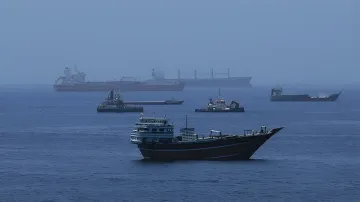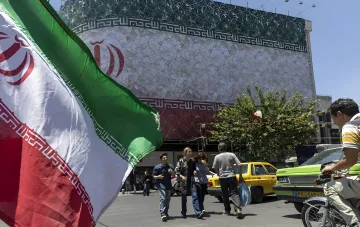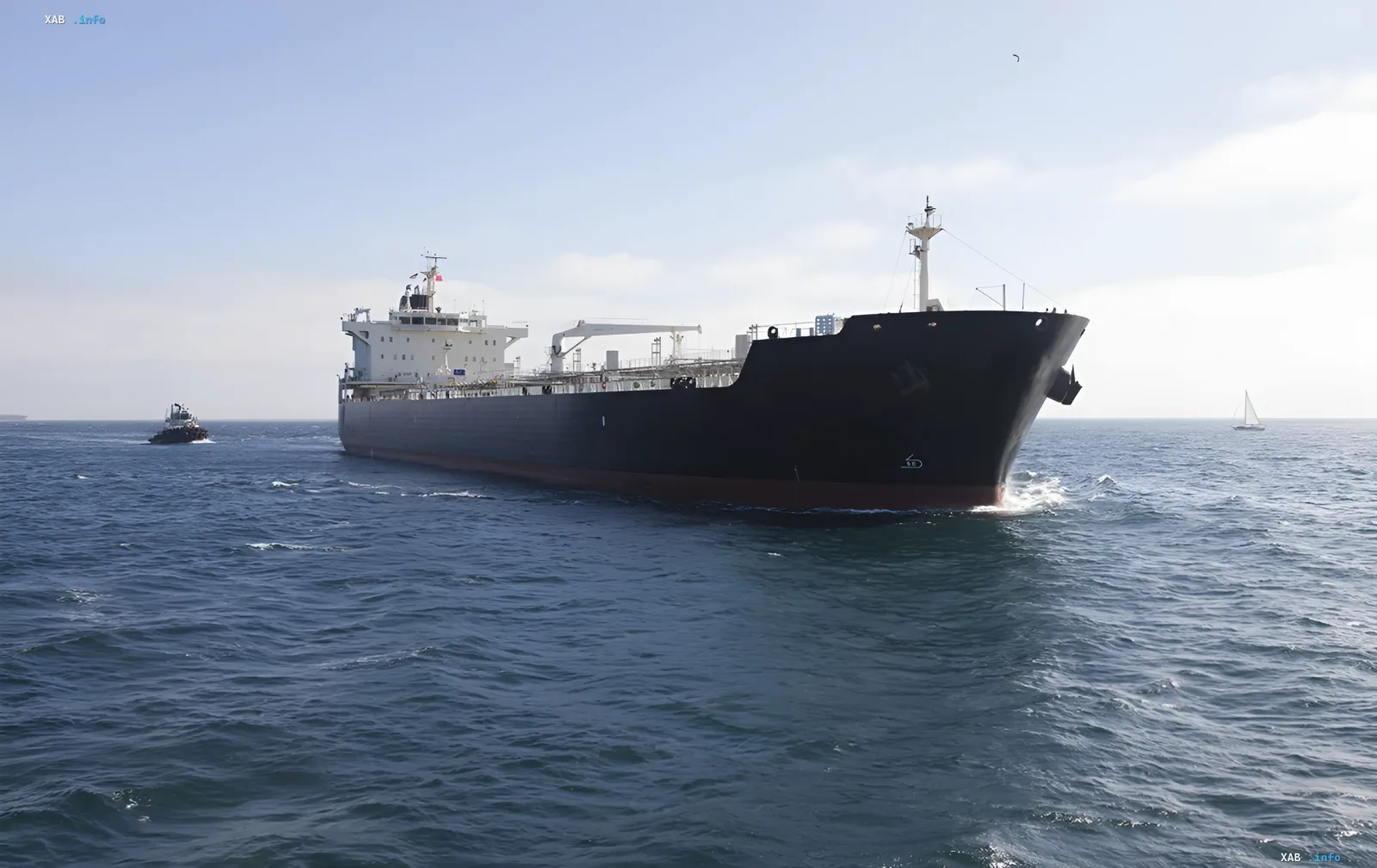
Unexpected statements have emerged from Tehran that could radically alter the geopolitical situation in the Persian Gulf. Despite active diplomatic efforts and reports that an agreement with Oman regarding the control of the Strait of Hormuz is nearing completion, Iran has officially declared that this is insufficient to resume shipping. Mohammad Bagher Zolqadr, Secretary of Iran's Supreme National Security Council, outlined a hardline stance on Saturday: opening the strategic waterway is directly contingent upon Washington fulfilling a complex set of requirements, which Tehran has termed the "correction of US behavior."
Six Points of Tehran's Ultimatum
According to a statement by Zolqadr published on Saturday, August 8, 2026, Iran has no intention of opening the strait until the US meets a series of critical conditions. The list of demands includes: the immediate lifting of the naval blockade and the complete withdrawal of troops from Iranian territory, the payment of war reparations, and the full unfreezing of Iranian assets frozen in the West. Furthermore, Iran demands that the US cease all attacks on its allies in the region and stop any threats directed at Tehran. Hossein Mohabbat, spokesperson for the Islamic Revolutionary Guard Corps (IRGC), had previously emphasized that opening the strait "does not depend on Iran-Oman negotiations," confirming the rigidity of the Islamic Republic's position.
Pressure on the Trump Administration Ahead of Elections
Analysts note that these demands will likely exert significant pressure on US President Donald Trump. In the run-up to the midterm elections in November, which are critically important for Republicans, lowering consumer energy prices has become a top priority. The blockade of the Strait of Hormuz, through which a significant portion of global oil supplies passes, keeps prices high. The NYT notes that Zolqadr's list of demands "flipped expectations," as many had hoped that a deal with Oman would allow trade to resume quickly and fuel prices to drop. Now, Trump is forced to consider Iran's conditions if he wishes to demonstrate control over the situation to the electorate.
Internal Conflicts in the Pentagon and the Missile Shortage
The situation is exacerbated by internal problems within the US administration. Although the US Senate approved temporary government funding, it refused to support Trump's request to allocate approximately $70 billion for military spending for combat operations against Iran. Moreover, media reports indicate a serious conflict between the White House chief and Defense Minister Pete Hegseth. This conflict arose against the backdrop of the US facing a critical shortage of missiles during the war with Iran. Trump demanded explanations from the Pentagon regarding why he was not informed about the ammunition shortage and how it occurred, casting doubt on the US readiness for conflict escalation.
Contradictory Data
There is a gap between the expectations of Western diplomats and the actual intentions of Tehran. On one hand, sources indicate that the agreement with Oman on strait control is "close to completion," creating an illusion of a quick crisis resolution. On the other hand, Iranian officials, including Zolqadr and IRGC representatives, categorically state that any agreements with third parties are invalid without the direct fulfillment of Iran's conditions by the US. This creates a complex situation where diplomatic progress in Oman could be blocked by political demands in Tehran.