August 17, 2026, marked a historic date for Middle East geopolitics. According to exclusive data obtained from sources at Al Arabiya English, Washington and Tehran have reached a fundamental agreement to extend the ceasefire regime. The parties have agreed to extend the truce for another 60 days, which will help avoid an immediate escalation scenario that many analysts considered inevitable under current conditions.
Urgent Diplomacy and Lack of Official Comments
Information about the deal appeared in breaking news reports from global media; however, at the time of publication, official representatives of the White House and the leadership of the Islamic Republic of Iran refrained from publicly confirming or denying the news. Such a tactic of "quiet diplomacy" is often used by the parties to maintain flexibility in the negotiation process and avoid pressure from internal politicians demanding a hard line. Nevertheless, citing sources in diplomatic circles, it can be said with confidence that the mechanisms for monitoring compliance with the regime have already been activated.
Shadow War: Tehran's Preparation for the Worst-Case Scenario
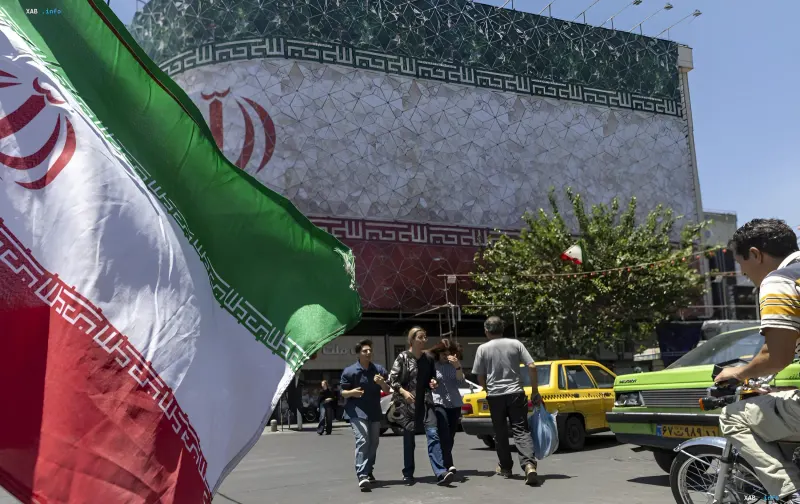
Despite the news of the ceasefire, the background of regional security remains extremely tense. The day before, on August 16, The Wall Street Journal published an investigation revealing Iran's extensive preparations for the resumption of a full-scale conflict. Sources in the department indicate that Tehran has been conducting a deep reorganization of its armed forces for several months. A key element of the strategy has been the strengthening of the Islamic Revolutionary Guard Corps (IRGC) control over the regular army, indicating a shift to a regime of total mobilization.
Veterans of the war with Iraq and former heads of internal security services, who have experience in conducting repressions and counterintelligence operations, have been appointed to key command positions. Parallel to this, there is a sharp increase in the production of missile systems and unmanned aerial vehicles, indicating preparation for a new type of asymmetric warfare.
Escalation in the Strait of Hormuz and the Red Sea
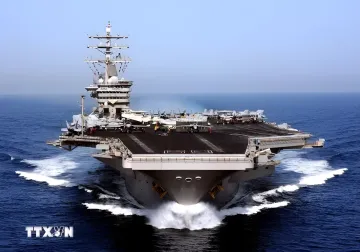
The situation in strategically important waterways remains critical. The Iranian regime has demonstrated a willingness to seize the initiative by launching active attacks on merchant ships to strengthen de facto control over the Strait of Hormuz. These actions have effectively expanded the battlefield to include the Red Sea, which Saudi Arabia and other regional countries used as a bypass route for logistics to avoid the Iranian blockade of the Persian Gulf. The threat to shipping in these waters has become one of Iran's main leverage points on the global economy.
Crisis of Trust in the Trump Administration
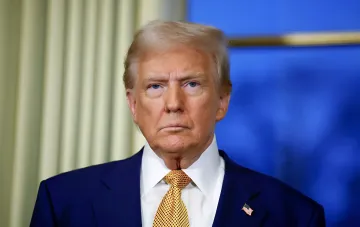
Amidst military preparations, a political crisis within the US coalition is also intensifying. Among Washington's allies in the Persian Gulf, including Saudi Arabia and the UAE, dissatisfaction is growing with the current line of behavior of the Donald Trump administration. Regional leaders express concern that the American leader is not making sufficient diplomatic efforts to achieve a lasting peace with Iran. Skepticism is heightened following recent statements by Trump himself, who hinted at the possibility of declaring the Strait of Hormuz "US territory," which many experts view as a dangerous rhetorical game capable of provoking an unpredictable reaction from Tehran.
Contradictory Data
In the current situation, there is a clear gap between the stated diplomatic goal — extending the ceasefire — and actual actions on the ground. On the one hand, Al Arabiya sources report an agreement for 60 days of calm. On the other hand, intelligence data and media reports (WSJ) indicate that Iran continues to build up its military potential and intensify attacks on ships. This creates a paradoxical picture: the parties may formally observe the ceasefire while continuing to prepare for war, making the situation extremely fragile and unpredictable.