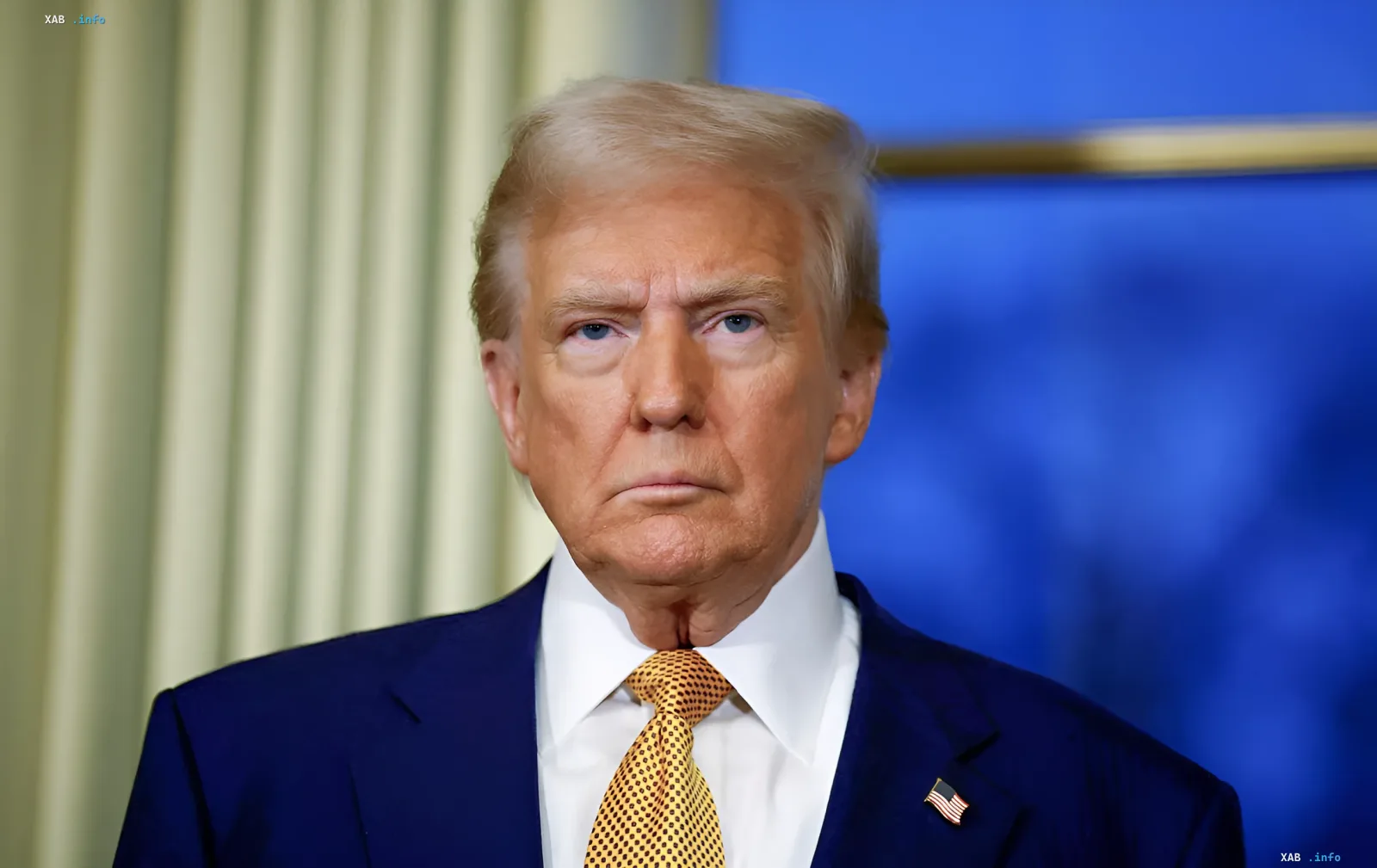
President Donald Trump has announced that the United States will refrain from military strikes against Iran until the midterm elections on November 3. The President described current communications with the Islamic Republic of Iran as "productive," suggesting that the diplomatic process is the preferred path, at least for the short term.
Economic Stagnation and Blockade
Trump highlighted the dire state of the Iranian economy, attributing it to strict sanctions and the effective blockade of the Strait of Hormuz. With 22 million barrels of oil passing through the strait daily, the absence of Iranian participation in these exports has crippled their financial ability to sustain the current tensions, according to the White House.
Rhetoric and National Security
The President's tone remains complex. Earlier, at a rally in Nebraska, Trump openly discussed the theoretical possibility of Iran destroying US cities like Los Angeles and San Diego, framing it as a manageable cost of global security. This sharp contrast between threats and negotiation claims has fueled skepticism among foreign policy experts.
Conflicting Information
There is a stark contradiction between official statements and media reporting. While the administration claims progress in negotiations, the Wall Street Journal reports that Trump has rejected Iran's proposed peace treaty and is actively planning for military escalation. Additionally, claims regarding Iran's involvement in the Flydubai incident remain unverified by independent intelligence agencies, despite Trump's affirmative response.
Regional Outlook
The temporary pause in hostility appears to be heavily influenced by domestic political timelines. With both sides preparing for potential escalation, analysts suggest that the window for a genuine peace agreement is closing, and the post-election period may bring a rapid return to open confrontation.