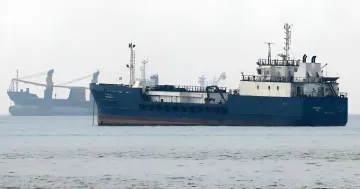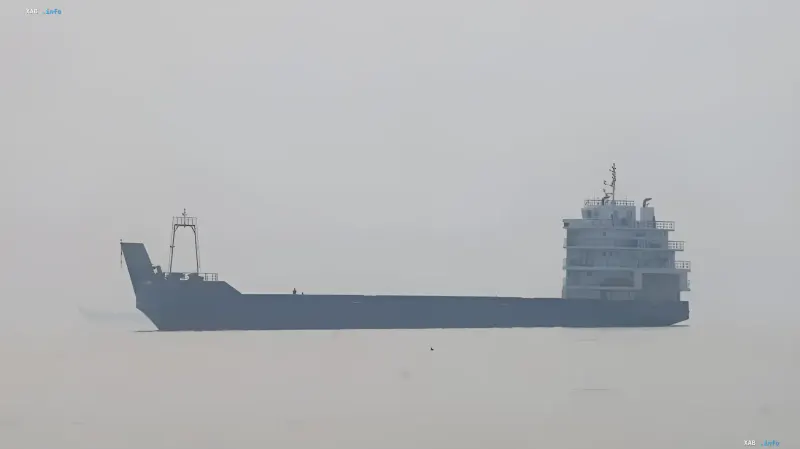
The situation in the strategically vital Strait of Hormuz has reached a critical tipping point, with at least 10 vessels attacked over the past four days. Experts and international bodies classify this surge in violence as the largest and most intense since the outbreak of the broader Middle East conflict.
Chronology of Unprecedented Attacks
According to data from maritime risk management firm Vanguard, the International Maritime Organization (IMO), and the United Kingdom Maritime Trade Operations (UKMTO), the peak of aggression occurred last Sunday and the following Tuesday. Specifically, 6 and 4 attacks were recorded on October 11 and 13 respectively, setting a record high for a single day since the conflict began. In total, 23 incidents have been logged in the area this month, nearly doubling the monthly average.
Consequences for Shipping and Human Toll
Massive strikes against civilian and commercial vessels have already yielded catastrophic results. Local sources report that a container ship has sunk after sustaining critical damage from the recent attacks, while two crew members remain missing as search and rescue operations continue under difficult conditions.
Contradictory Data
While Western and regional monitoring groups link the sharp escalation to Tehran's attempts to disrupt energy export recovery and pressure global markets, official Iran refrains from directly confirming its involvement in specific strikes. Analysts also diverge on how far the confrontation may go amid shifting geopolitical variables.
Expert Analysis and Geopolitical Context
Vanguard analyst Barun Gupta suggests that the recent surge may be driven by Iran's desire to demonstrate that it can still disrupt the recovery of energy exports. Gupta noted that US political statements promising no immediate aggressive moves against Iran ahead of the US midterm elections may have led Tehran to believe the risk of immediate US military escalation is low, emboldening further pressure.