A strategic debate is unfolding within the Pentagon and the US Central Command (CENTCOM) regarding the future of the American military presence in the Persian Gulf. Following fierce fighting with Iran that began in late February 2026, Washington is considering a radical change to the geography of its bases. A key idea being discussed in the corridors of power is abandoning the restoration of certain damaged facilities to their previous state and relocating a significant portion of forces to the west, closer to Israel and Jordan.
New Map: Shift to the West
According to sources from The Washington Post, the war has demonstrated the critical vulnerability of American facilities located in close proximity to Iran's borders. As a result of missile and drone attacks, 18 US service members were killed and hundreds were injured. In response, the Pentagon's political management is studying a scenario where troops are deployed in countries outside the effective range of Iranian missile artillery. This involves expanding the presence in Jordan, where the US already has several bases, and in Israel, where tanker aircraft were stationed during the conflict.
Strategic Dilemma and Risks
Experts, including former diplomat Michael Ratney, note that moving troops west could indeed reduce direct risks to personnel and equipment. However, there is no perfect solution. Reducing the presence in Persian Gulf countries could be perceived by Tehran as a strategic victory, undermining US influence in the region. Furthermore, partner countries, such as Bahrain, where the Fifth Fleet headquarters is located, could become more vulnerable to Iranian aggression without direct support from American bases.
Internal Struggle in the Trump Administration
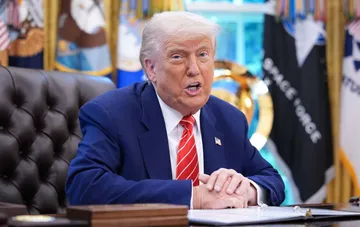
The issue of reviewing military presence has also intensified debates within President Donald Trump's administration. A struggle is underway in the White House and the Pentagon between proponents of a hardline policy and the isolationist wing. So far, the issue has not become an official directive from Defense Secretary Pete Hegseth, but officials acknowledge that decisions will have to be made. Meanwhile, Iran continues to keep the Strait of Hormuz closed, demanding the fulfillment of the conditions of the Islamabad Memorandum, while Trump has again declared plans to declare the strait US territory.
Contradictory Data
There are discrepancies in sources regarding the exact status of Iranian demands and the current situation in the Strait of Hormuz. On one hand, it is reported that Tehran will not open the strait until the conditions of the 'Islamabad Memorandum' are met, implying agreements with Iran. On the other hand, in the context of the war that began in February 2026, the logic of such memoranda raises questions among analysts. Additionally, data on the number of casualties (18 killed) and the exact scale of base damage varies depending on the source, although the overall picture regarding the need to review strategy remains unchanged.