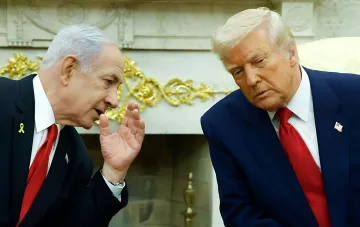
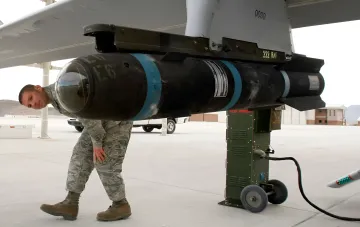
US President Donald Trump has publicly stated that Washington has plans to destroy one or two facilities inside Iran, emphasizing that the American armed forces are capable of completing this task in ten minutes. This is reported by RBC-Ukraine, citing a publication by the Rapid Response 47 account on the social network X, which posted a video of the White House chief's speech before journalists.
Context: Qatari-Mediated Negotiations
The statement came in response to a question about the timeframe for resuming dialogue between the US and Iran through Qatari mediation. According to Trump, Washington is "in no rush" and sees no need for an urgent resumption of the negotiating track. At the same time, he traditionally listed the achievements of the American armed forces in the region before moving on to discuss specific targets that, as he claims, still need to be "sorted out."
What Facilities the White House Has in Mind
"We still have to deal with, I would say, one or two targets, but we can do that in 10 minutes. Maybe you could look at Pickax Mountain, but we have to deal with that. We can do it very quickly," Trump is quoted as saying by RBC-Ukraine. American and regional media point out that by "Pickax Mountain," the president most likely meant the alleged underground nuclear facility beneath Mount Kalang-Gaz La in Fars-Kanar province, Iran. This is the same mountain range known under various transliterations in English-language and Iranian sources.
Washington's Position on Tehran's Nuclear Program
In the same speech, Trump reiterated that Iran "will never have nuclear weapons" and accused Tehran of "making a deal and then backing out of it" during negotiations. These words reflect the consistent rhetoric of the US administration, which over recent months has combined diplomatic efforts to resume dialogue with a demonstration of readiness for a military scenario.
Diplomatic Background and Potential Consequences
Trump's statement came against the backdrop of ongoing Qatari attempts to mediate between Washington and Tehran in order to prevent escalation and the resumption of strikes. The public mention of specific geographic targets and the timeframe for their destruction can be viewed as an element of pressure on the Iranian negotiating position. At the same time, neither the Pentagon nor the US Department of State had confirmed or denied the existence of specific operational plans for strikes on the mentioned facilities at the time of publication.