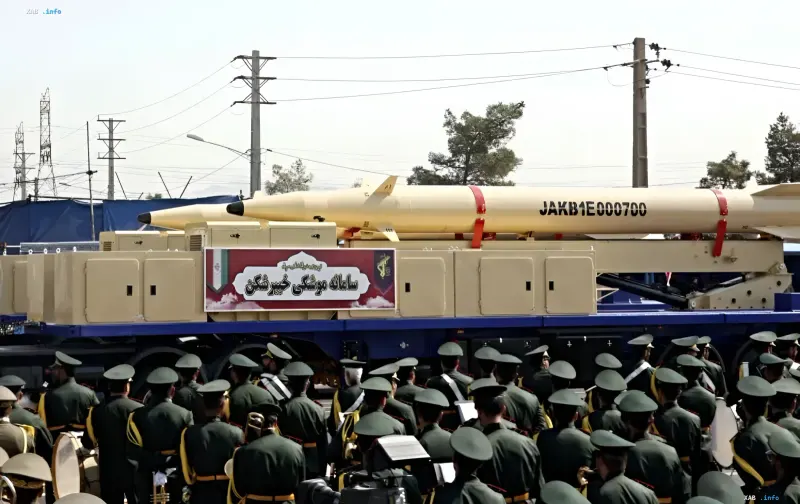
The Iranian ballistic missile Kheibar Shekan (Kheibar Breaker) has become one of the most prominent and discussed developments in Tehran's missile arsenal. First presented by the Islamic Revolutionary Guard Corps (IRGC) in 2022, this system attracted the close attention of military experts and analysts around the world. The missile belongs to the Fateh family and is positioned as one of the most modern developments of the Iranian military industry.
Technical Specifications and Mobility
A key feature of the Kheibar Shekan is the use of a solid-fuel engine. Unlike outdated liquid-fuel models that require long preparation times before launch, solid-fuel missiles can be stored in a ready state for extended periods. This provides a significant advantage: reduced preparation time for firing and the ability to quickly change positions after use, which is critical for the survival of the complex on the battlefield.
According to official statements by Iranian military officials, the missile's range is approximately 1,450 kilometers. Such a range allows for the potential targeting of objectives across a significant portion of the Middle East, extending well beyond the country's immediate borders. Furthermore, the system boasts high mobility and can be launched from mobile launchers, making it difficult for the enemy to detect and destroy it at the moment of launch.
Maneuvering and Evading Air Defense
One of the most discussed characteristics of the Kheibar Shekan is the claimed ability of the warhead to alter its trajectory during the terminal phase of flight. Such maneuvering technologies can significantly complicate the work of missile defense systems, which are calculated based on a predictable ballistic trajectory of the target. Experts note that even modern air defense systems do not guarantee absolute protection against such threats, forcing states to pay increased attention to the development of early warning systems and multi-layered defense.
The missile is equipped with a warhead weighing approximately 550 kg. However, independent verification of all claimed specifications remains a difficult task, as a significant portion of the information comes exclusively from official sources in Tehran.
The Problem of 'Cost Expenditure' in Defense
Beyond technical parameters, military analysts are concerned with the economic aspect of the confrontation. Iranian missiles create a serious problem due to the ratio of the cost of offensive and defensive means. The estimated price of the Kheibar Shekan, according to experts, is significantly lower than the cost of Western interception systems.
For comparison: one SM-6 interceptor missile of the US Navy can cost around $4–5 million, while a PAC-3 MSE missile for the Patriot system costs approximately $4–6 million per unit. The cost of an Iranian missile could be an order of magnitude lower. This gives rise to the so-called problem of 'cost expenditure': even with the successful interception of every target, the defending side is forced to incur losses by spending expensive ammunition to destroy relatively cheap threats.
A similar situation was already observed during mass attacks using unmanned aerial vehicles (drones). In the event of large-scale missile use alongside drones, this could create a critical load on interceptor stocks and the logistics of air defense systems. This is why modern armies are actively developing not only expensive missile complexes but also cheaper countermeasures, including short-range systems, electronic warfare, and laser technologies.
Geopolitical Context
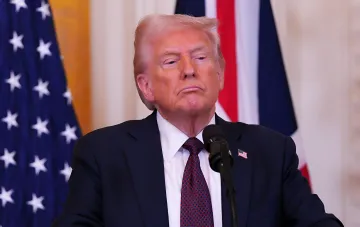
The development of mobile missile complexes is part of Iran's broader strategy—to create a system that allows for the possibility of striking even in the face of resistance. Against the backdrop of regional tensions, Washington previously warned that it would hold Iran responsible for any new attacks by Yemeni Houthis on commercial vessels. Despite nearly two weeks of strikes on Iran, the US administration decided to suspend attacks, providing Tehran, according to President Donald Trump, with 'space for diplomacy'.