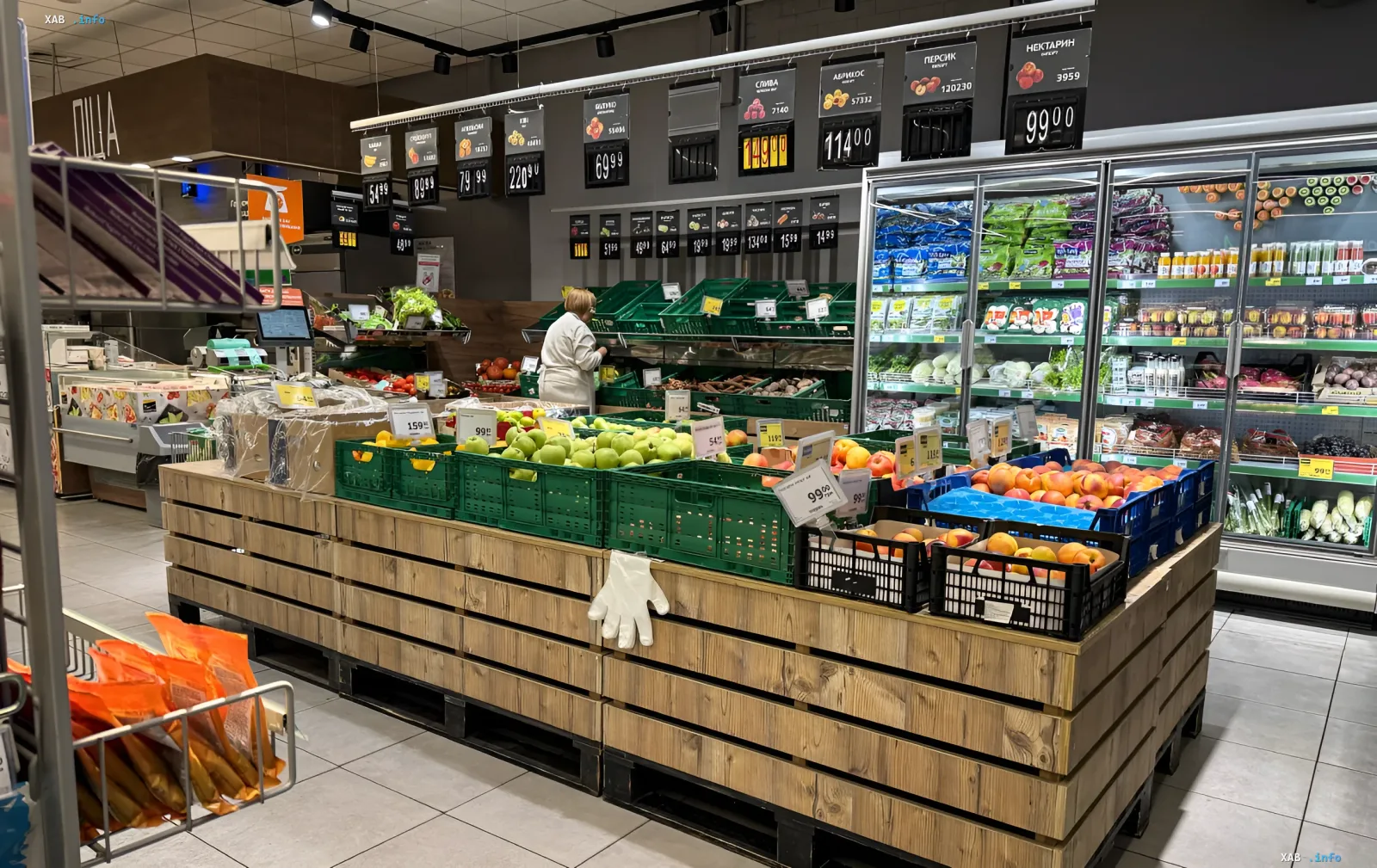
The initiative of Kharkiv Mayor and Head of the Association of Frontline Cities and Communities Igor Terekhov to lower the Value Added Tax rate to 5% on basic food products and medicines has sparked a wide discussion among Ukrainian experts. Amid the approaching economic crisis and rapid price growth driven by logistics and energy factors, finding effective tools to protect vulnerable population groups has become a primary state task.
Arguments of supporters: preventing a humanitarian catastrophe
Supporters of easing the fiscal burden on social product groups are convinced that this is the only effective mechanism to cushion prices for the poorest citizens. As emphasized by economist and financial analyst Oleksandr Kushch, stopping the inflationary wave without such preventive measures will be extremely difficult. Moreover, the rapid impoverishment of society threatens to destroy social solidarity and create a dangerous property stratification, where the majority of citizens fall below the poverty line against a narrow stratum of wealthy people.
Controversial data
There is no consensus in the expert community regarding the feasibility of implementing this idea in current realities. Some analysts, including financial expert Serhiy Fursa, categorically state that Ukraine during a full-scale war cannot afford to reduce tax revenues. A similar position is held by Illia Neshchodovskyi, an independent expert of the ANTS National Interest Advocacy Network, who warns of the risks of cutting the budget for army financing and the emergence of gray tax evasion schemes. At the same time, supporters of the innovation recall the positive experience of 2022, when lowering VAT on fuel helped stabilize the market and reduce social tension.
Problem context and macroeconomic indicators
The discussion unfolds against the backdrop of alarming World Bank statistics, according to which the poverty rate in the country in 2025 reached 41.6%, almost doubling compared to the pre-crisis year of 2021. In such conditions, Igor Terekhov's initiative is viewed as an attempt to provide a comprehensive response to the systemic challenges of wartime. Nevertheless, the government will have to find a delicate balance between the need for social support of the population and ensuring uninterrupted financing of the security and defense sectors.