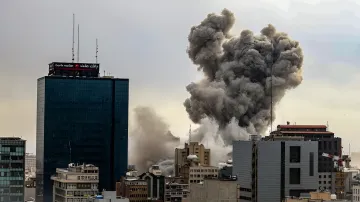
In early October, the Israeli military completed preparations for a large-scale, multi-day operation against Iran, but its launch was cancelled. According to Financial Times sources, the bombing campaign was scheduled to begin on October 10 and surpass in intensity the joint US-Israeli offensive launched in February. The planned targets included nuclear facilities, Iranian regime sites, and civilian infrastructure, including power plants.
Why the Strike Did Not Take Place
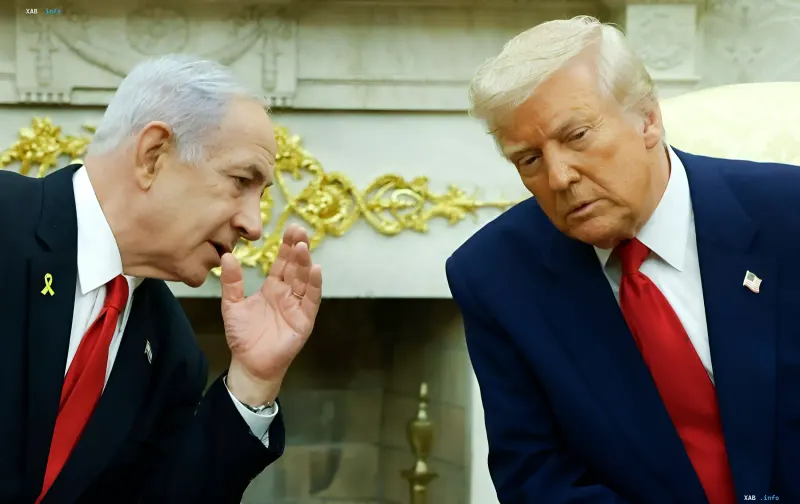
Sources cite the position of US President Donald Trump, who rules out resuming military hostilities before the November 3 midterm congressional elections, as the key reason for holding back. In a conversation with the FT, the White House explicitly stated that the US would not attack Iran prior to these elections. Nevertheless, one of the publication's sources suggests that strikes could resume in the coming weeks because, according to him, Washington aims to force Tehran to agree to the terms of an agreement regarding the Strait of Hormuz and the nuclear program.
Hegseth's Visit and Updated Target List
US Defense Secretary Pete Hegseth visited Israel on October 19 and held talks with Prime Minister Benjamin Netanyahu. According to one source, he was presented with an updated list of targets in Iran that included civilian infrastructure not previously targeted.
Israel Against the Backdrop of Its Own Elections
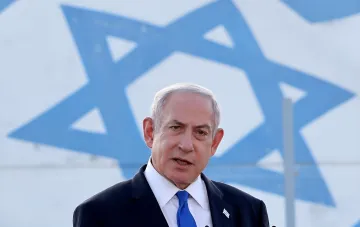
Simultaneously, Israel is preparing for parliamentary elections on October 27. The military has been placed on high alert, and military leaves have been cancelled nearly a week before the vote; the Chief of General Staff explained this as necessary to ensure secure voting. Netanyahu, in turn, insists on resuming large-scale strikes against Iran and earlier this month instructed the military to plan a new major offensive.
Risks for the Region and Economy
Sources emphasize that a new attack could once again drag the US and Gulf states into the conflict, as well as lead to a rise in energy prices. Against this backdrop, public statements by Trump and Netanyahu about resuming strikes on Iran maintain tension, although the immediate launch of the operation is currently blocked by electoral calculations in Washington.