US President Donald Trump has publicly stated that Washington will terminate its annual military aid to Israel, worth approximately $4 billion, by the end of the current year. According to him, the existing funding mechanism will be replaced by a new trade and defense agreement. The head of the White House described the transferred funds using various formulations—as military aid, as "cash," or as a kind of "exchange" involving both military equipment and financial support.
An Initiative Claimed by Trump to Have Been Proposed by Netanyahu
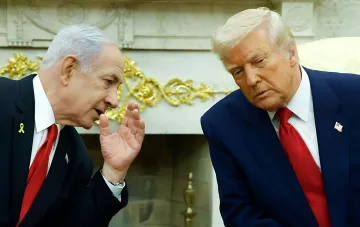
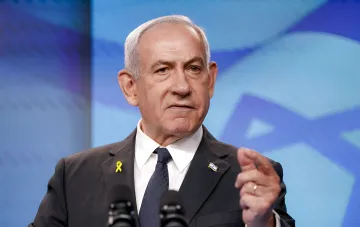
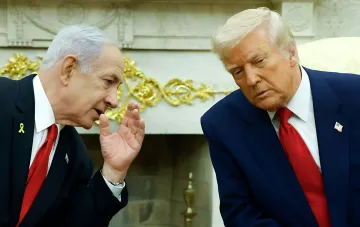
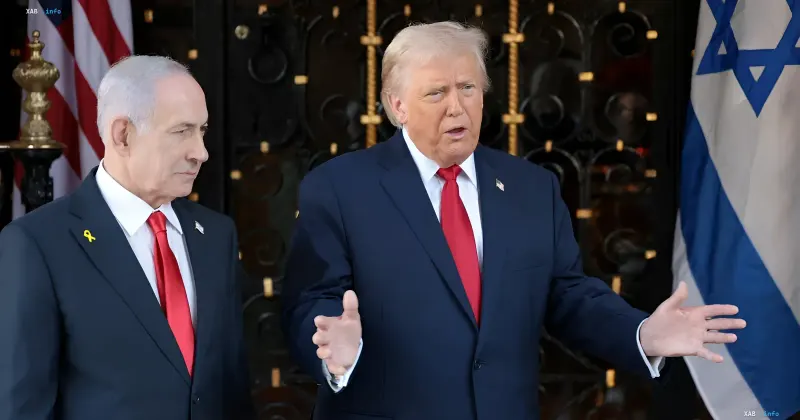
Trump added that the issue of ending the traditional form of aid was discussed with Israeli Prime Minister Benjamin Netanyahu several years ago, and that the Israeli leader was, according to his assertion, the first to put forward this idea. The statement came amid public contacts between the two leaders; one of the photographs, dated December 29, 2025, captures them in Palm Beach, Florida, against the backdrop of the US and Israeli flags.
Tel Aviv's Position: No Official Statement
Meanwhile, the Israeli side has not yet confirmed the information. As an Israeli official stated, the Prime Minister's Office has not published any official statement on this matter. According to him, several government agencies were "surprised" by the decision and "concerned" about potential consequences. According to sources, representatives of the Israeli Ministry of Defense still do not understand the exact meaning of Trump's statements, the plan for their implementation, or whether they signal a shift in security relations between the two countries.
The Existing 10-Year Agreement
Under the current 10-year security assistance agreement between the US and Israel, Washington provides Tel Aviv with approximately $3.8 billion annually. This agreement runs until 2028, meaning that Trump's announced termination of aid and transition to a new trade and defense model effectively implies an early replacement of the current framework document.
Context and Potential Consequences
Washington's statement affects a key element of the Middle East security architecture and could impact the planning of the Israeli armed forces, which heavily depend on American funding. The transition from direct military aid to a trade and defense agreement essentially changes the nature and predictability of support, while the lack of official confirmation from Israel increases uncertainty regarding the actual timeframe and terms of the new model. Against this background, both parties will likely be forced to hold a series of consultations to clarify details before the changes are formalized in an official document.