Israel's defense industry is showcasing major projects aimed at redefining warfare tactics in the context of modern conflict. Two significant events — the presentation of a new electronic warfare aircraft and the modernization of the fleet — demonstrate Tel Aviv's drive to gain a technological edge in the fight for control over the electromagnetic spectrum and the protection of strategic infrastructure.
ELLYON: Artificial Intelligence in the Sky
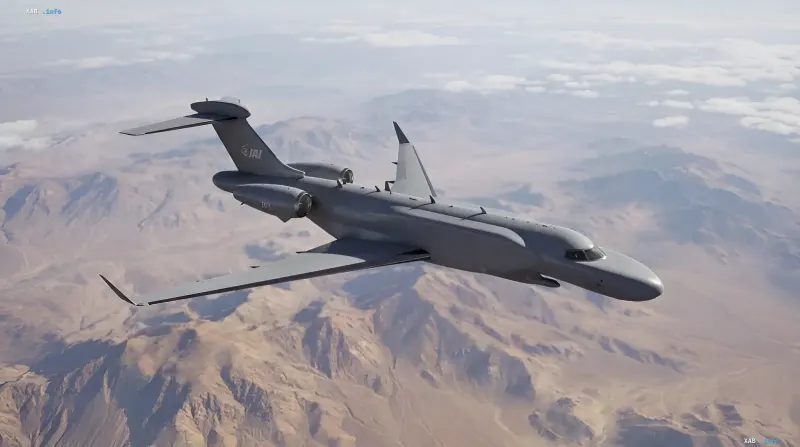
Israel Aerospace Industries (IAI) has officially unveiled ELLYON — a next-generation electronic warfare (EW) aircraft. It is not merely a reconnaissance platform but a unified system combining Intelligence, Surveillance, Target Acquisition, and Reconnaissance (ISTAR) functions with powerful capabilities to suppress enemy electronics.
Developed by Elta, a subsidiary of IAI, the key feature of ELLYON is the deep integration of artificial intelligence. The flight control system utilizes complex AI algorithms to process data from multiple sensors in real-time. This enables not only the detection and classification of targets but also the instantaneous transmission of intelligence to command centers or other aircraft.
The aircraft's capabilities extend beyond simple observation. ELLYON can simultaneously jam enemy radars, communication systems, and satellite navigation. The integration of signals intelligence (SIGINT), long-range radars, and electro-optical sensors significantly shortens the decision-making cycle on the battlefield.
A critical aspect is tactical autonomy. The aircraft is capable of operating outside the range of enemy air defense systems, hundreds of kilometers away. To ensure survivability in intense combat conditions, ELLYON is equipped with advanced self-defense systems, including early warning and active electronic countermeasures.
IAI President Boaz Levi emphasized that the emergence of ELLYON reflects the new reality of modern warfare, where control over the electromagnetic spectrum has become a factor no less important than traditional air superiority.
Fleet Modernization: The Iron Dome on a Frigate
Parallel to aviation developments, the Israeli Navy is implementing a large-scale modernization program for the missile frigate INS Lahav. The decision to upgrade was made in response to the escalation of the conflict that began in October 2023, which significantly increased risks to the Tamar, Leviathan, and Karish gas platforms, as well as shipping lanes in the Mediterranean and Red Seas.
INS Lahav is one of three Saar-5 class missile boats built in the US and transferred to Israel about 35 years ago. Instead of waiting 8–10 years for the construction of new vessels, the Navy chose the path of rapid and cost-effective modernization of the existing platform.
The program, costing approximately 250 million shekels (about $82 million), will take about 5 months. Upon completion, the ship's service life will be extended by at least 15 years, and its combat capabilities will approach the level of modern Saar-6 class vessels.
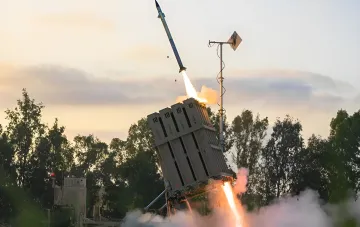
The main innovation will be the integration of the naval version of the Iron Dome air defense system, developed by Rafael. Due to the size constraints of the Saar-5 class frigate, it cannot be equipped with the Barak MX surface-to-air missile system; therefore, the Iron Dome became the optimal solution for protection against missiles and unmanned aerial vehicles.
The upgrade package also includes the installation of a next-generation radar from Elta, as well as updates to electronic, command, communication, navigation, and sonar systems. All these components are produced by Israeli defense companies and are designed to protect the country's exclusive economic zone from modern threats.