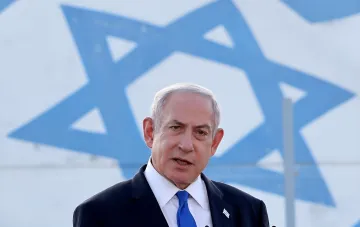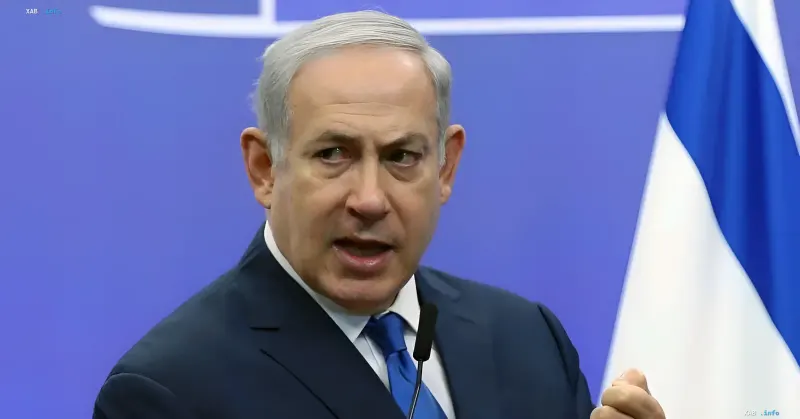
Israeli Prime Minister Benjamin Netanyahu reaffirmed in a recent interview with the state broadcaster Kan that the strategic objective of overthrowing the Iranian regime remains crucial for the country's national security. According to the head of government, despite the significant weakening of Tehran's positions as a result of large-scale military and intelligence operations, the Israeli side still has much work to do to complete this mission. At the same time, the politician directly acknowledged that a radical change of power in Iran is unlikely to occur before the upcoming Israeli parliamentary elections scheduled for October 27.
Military Pressure and Situation Assessments
Commenting on the current situation in the Middle East, Benjamin Netanyahu, citing media reports, noted that Israel's military actions have substantially undermined the resilience of the Iranian leadership. This position intersects with statements by US President Donald Trump that joint efforts have helped stall or prevent the Islamic Republic from acquiring nuclear weapons. Netanyahu stressed that Iran is currently in its most vulnerable position in years, but Israeli forces need to finally bring the matter to a close for the sake of long-term stability in the region.
Political Struggle Within Israel
Against the backdrop of the foreign policy agenda, the Israeli Prime Minister harshly criticized his internal opponents, Gadi Eisenkot and Yair Golan. Netanyahu accused them of trying to hinder decisive steps to eliminate the Tehran regime. Such rhetoric is directly related to the unfolding election campaign, within which the incumbent cabinet chief positions himself as the only leader capable of effectively countering the Iranian threat and maintaining allied relations with Washington.
International Relations and Alliance with the US
Netanyahu paid special attention in his speech to the nature of partnership with the United States and personally with President Donald Trump. The Prime Minister confirmed that they maintain regular and close contact, discussing key aspects of regional security. According to Netanyahu, the US leader fully understands the scale of the threat emanating from the Iranian leadership. In addition, the head of the Israeli government expressed doubt that his political opponents would be able to build just as productive and trusting a dialogue with the White House if they came to power.
Contradictory Data
In covering plans regarding Iran, certain discrepancies are observed in assessments of timelines and formulations. While some international agencies, citing the Israeli prime minister's speeches, broadcast the thesis about the "close end of the Iranian regime" and that its overthrow is supposedly "within reach," Netanyahu himself in an interview with Kan television more restrainedly noted that a rapid fall of power in Tehran before the October 27 elections should not be expected. Such nuances emphasize the complexity of the diplomatic and informational game amid escalation.