The Institute for the Study of War (ISW) states in its latest analytical report that the Russian side is systematically using the humanitarian crises generated by its own invasion as a political tool to win favor with the administration of U.S. President Donald Trump. According to analysts, a key illustration of this strategy was the ceremony at the White House on November 5, where First Lady Melania Trump hosted representatives from Ukraine and Russia on the occasion of the evacuation of residents from occupied Oleshky.
Ceremony at the White House: Format and Participants
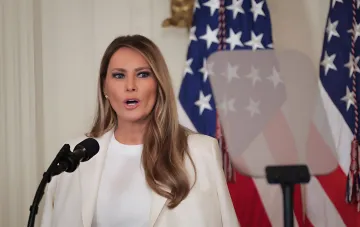
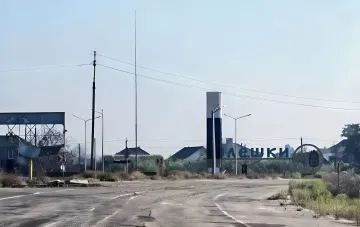
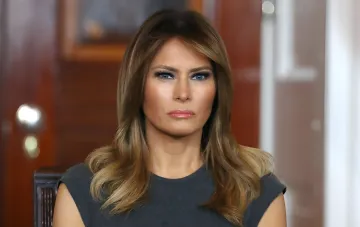
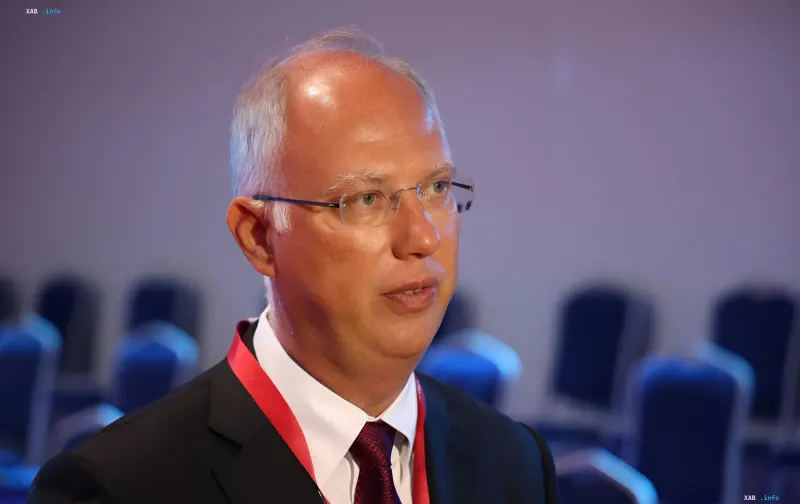
On November 5, 2026, Melania Trump held a meeting at the White House with delegations from Ukraine and Russia, dedicated to the ceasefire in the Oleshky area. The Ukrainian side was represented by Member of Parliament David Arakhamia and Verkhovna Rada Commissioner for Human Rights Dmytro Lubinets. The Russian delegation was led by Vladimir Putin's special envoy, Kirill Dmitriev. According to RBC-Ukraine, against the backdrop of this ceremony, Melania Trump also sent personal letters to Vladimir Putin and Volodymyr Zelenskyy calling for movement toward a lasting peace.
Kirill Dmitriev's Rhetoric: "Humanitarian success" without admitting causes
During the meeting with the U.S. First Lady, Kirill Dmitriev, according to the ISW, touted a "humanitarian success" regarding the ceasefire in Oleshky, without acknowledging that the Russian invasion and occupation were the root cause of the humanitarian crisis in that settlement. Moreover, Dmitriev drew a parallel between the ceasefire in Oleshky and Melania Trump's previous efforts to repatriate Ukrainian children forcibly deported from Russia, thereby combining two episodes, fundamentally different in scale and nature, into a single "humanitarian" narrative line.
ISW Analysis: Limited cooperation as leverage
Specialists at the Institute for the Study of War point out that Dmitriev's statements are entirely consistent with Russia's previously recorded tactics: using limited humanitarian cooperation—whether the situation in Oleshky or the return of deported children, for which Moscow bears exclusive responsibility—to "court" the Trump administration. The goal of this tactic, according to ISW assessments, is to push the White House to accept more favorable terms for Moscow in future negotiations. Analysts emphasize that the attempt to portray Vladimir Putin as a "willing negotiator with humanitarian inclinations" is calculated and aimed at shaping an image of Russia in Washington as a party ready for dialogue.
Context: Strikes on civilian objects amid "humanitarian gestures"
ISW draws attention to the sharp contrast between the humanitarian rhetoric of Russian officials and the actual dynamics of combat operations. According to the report, attempts to present Putin as a peacemaker occurred against the backdrop of a series of devastating Russian strikes on Ukrainian civilian objects over the past months. Specifically, analysts highlight a recent strike on a railway station in Dnipro, which killed at least 14 people. Notably, this strike was carried out precisely during the ceasefire period in the Oleshky area, which, according to ISW, undermines the Russian side's argument regarding its "humanitarian intentions."
Reaction and further steps
As of the publication of the ISW report, there has been no official reaction from the Russian Foreign Ministry or the Kremlin press service to the analysts' findings. The Ukrainian side, represented by the delegation members, has also not publicly commented on the ISW assessment. The November 5 ceremony became one of the few direct contacts between representatives of the two countries at the level of First Ladies and special envoys since the beginning of the full-scale invasion, giving the event additional diplomatic significance in the eyes of the American administration.