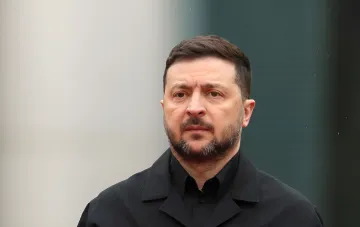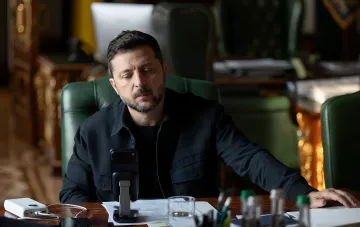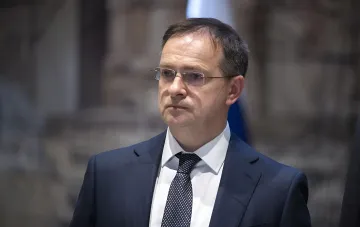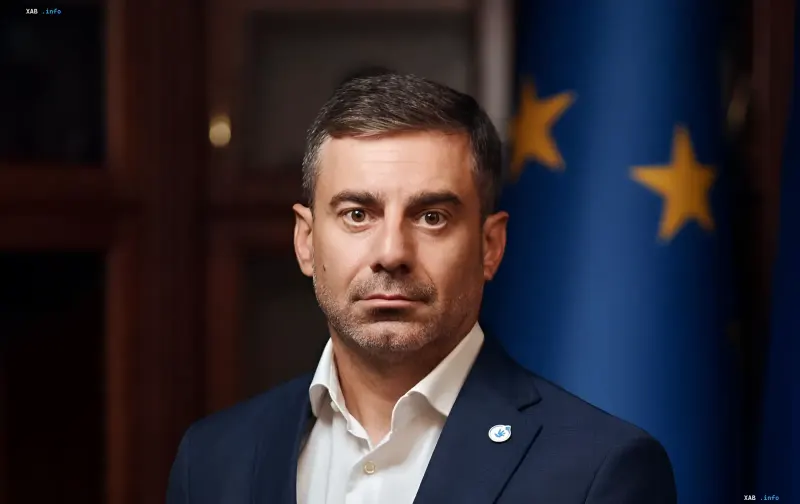
Ukraine has defined a clear hierarchical order for compiling lists for the upcoming prisoner exchange with the Russian Federation. This was announced on November 18 by the Verkhovna Rada Commissioner for Human Rights, Dmytro Lubinets, on his Telegram channel, which was noted by the publication RBC-Ukraine. According to him, the Ukrainian side is conducting direct communication with the Russian Commissioner for Human Rights, Yana Lantratova, during which the final numbers and categories of individuals included in the lists are being coordinated. Kyiv insists that the list-compilation process must be "clear and transparent."
Three selection principles
Lubinets highlighted three priority categories. The first and main one is critically wounded and critically ill Ukrainian citizens, both military and civilian. The second category is Ukrainian women held in Russian prisons. The third principle, which the ombudsman called the "principle of humanity," suggests that individuals who have been in captivity the longest should return to their homeland first. It is following this logic that defenders of Mariupol, held since 2022, are included in the priorities, although, according to Lubinets, negotiations on their status remain the most complex due to the fact that, in his assessment, many of them have been "illegally convicted."
Scale: from one thousand to fifteen hundred on each side
The minimum figure for the future exchange agreed upon by the parties, according to the ombudsman, "will definitely not be less than one thousand on each side." At the same time, Lubinets allowed that the final number could reach 1200 for 1200, 1500 for 1500, "or even more." Both sides, according to him, are working to make the figure as large as possible. On November 13, President Volodymyr Zelenskyy officially confirmed that the most large-scale prisoner exchange in the history of the conflict would soon take place, and US authorities have reportedly already begun preparations for its implementation.
Legal framework for civilians
The legal aspect deserves special attention. Lubinets explained that international humanitarian law does not provide for a procedure for exchanging civilians, as their detention by Russia is qualified by Ukraine as a direct violation of the Geneva Conventions. In this regard, Kyiv is using the legal concept of "family reunification" and is negotiating mirror actions. Currently, according to the ombudsman, more than two thousand illegally held Ukrainian civilians are known to exist, however, only 840 people have been verified through the International Committee of the Red Cross.
International humanitarian track
According to Lubinets, First Lady Melania Trump has joined the efforts to open a separate humanitarian track for civilians following a meeting with the ombudsman at the White House. The Ukrainian side is communicating on this matter with the First Lady’s executive advisor, Mark Beckman. Melania Trump, according to Lubinets, is also assisting in the return of deported children, of whom 20,651 are currently verified in Ukraine.
Other areas of the negotiation group's work
The ombudsman also refuted Vladimir Putin's claims about Russia's readiness to organize a humanitarian mission in Kostiantynivka, emphasizing that this issue "was not even raised" during the negotiations. At the same time, the negotiation group continues to work on conducting humanitarian missions in the temporarily occupied territory of the Kherson region, in particular in the Oleshky community. Thus, the upcoming exchange, which could become the largest in the history of the war, is accompanied by parallel work on several humanitarian fronts — from verification via the ICRC to interaction with the American side.