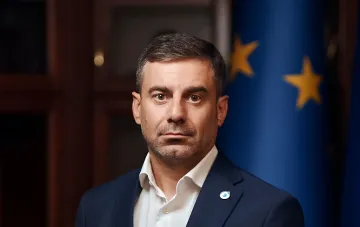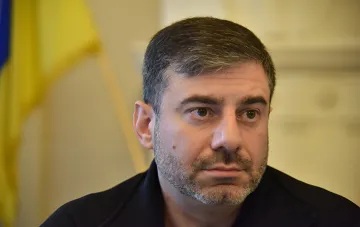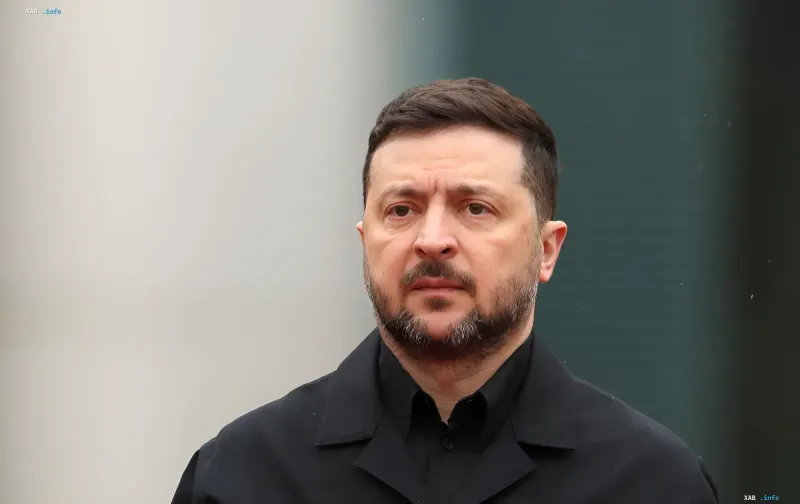
The exchange of prisoners of war between Ukraine and Russia has become one of the key agreements reached during talks in Abu Dhabi. According to President Volodymyr Zelenskyy, Kyiv intends to bring this agreement to a practical result in a short timeframe. "Ukraine will pass our exchange proposals to the American side; we are already communicating through intelligence channels. Ukraine is ready to ensure results in the coming weeks," the head of state said in a comment reported by the RBC-Ukraine outlet.
Mechanism and communication channels
According to Zelenskyy's statement, the preparation process for the exchange has already begun at the working level: the Ukrainian side has sent and continues to send proposals regarding the format and composition of the exchange to American partners. Moreover, as the president emphasized, communication between the parties is conducted through intelligence channels, which indicates the closed and multi-layered nature of the negotiations. This format essentially turns the US into an intermediary link, coordinating interaction between Kyiv and Moscow on humanitarian matters.
Timelines depend on Moscow's pace
The president specifically noted that the concrete deadlines for implementing the agreement are not solely in Kyiv's hands. According to him, they depend on the pace at which the Russian side acts, as well as on how actively the US team maintains communication with the Russians. Thus, Zelenskyy effectively shifted part of the responsibility for potential delays onto two external factors: Moscow's position and the effectiveness of American mediation.
Civilian hostages
In addition to military personnel, the parameters for the release of civilian hostages who remain on the territory of the aggressor state were discussed as part of the negotiation track. Zelenskyy emphasized that some of them have been in Russian captivity since the pre-war period, meaning before the start of the full-scale war. This indicates that the issue of their return is cumulative in nature and concerns individuals detained several years before the conflict's escalation.
Scale of the upcoming exchange
The context of the president's statement is supplemented by earlier public signals. On November 13, Zelenskyy reported that the largest prisoner exchange between Ukraine and Russia would take place soon. In turn, the Verkhovna Rada Commissioner for Human Rights, Dmytro Lubinets, stated that at least one thousand Ukrainian citizens would return home as part of the next exchange. The combination of these statements forms a picture of preparation for one of the most significant humanitarian exchanges during the conflict.