On August 17, 2026, according to a report by the Institute for the Study of War (ISW) published by RBC-Ukraine, Russian armed forces continued active offensive operations on several sections of the front. However, despite the intensity of the attacks, the Armed Forces of Ukraine managed to halt the enemy's advance and maintain control over key positions. Analysts note that attempts to break through in the north of the Sumy and Kharkiv regions did not yield confirmed success for the enemy on August 15 and 16.
"Small Group" Tactics and the Problem of Tall Grass
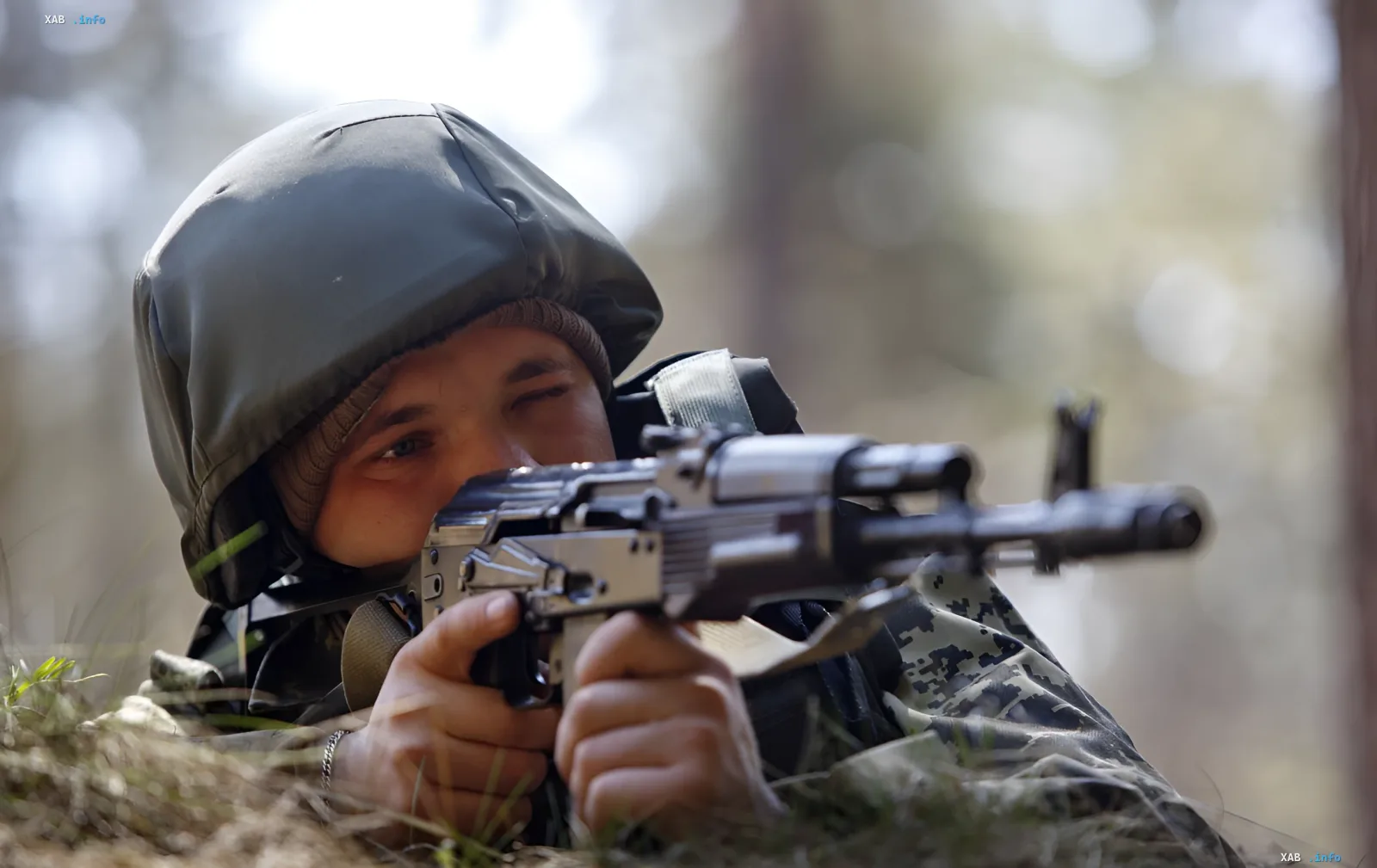
One of the key features of Russian military operations in the Sumy region was the tactic of using small infantry groups. According to intelligence data, the enemy sends one to three soldiers daily to infiltrate between Ukrainian positions. This tactic allows the enemy to ignore losses and attempt to bypass fortifications unnoticed. However, the main problem for Russian soldiers became the terrain: in this area, the grass height exceeds two meters. This creates serious difficulties for identifying small groups by Ukrainian fighters, forcing them to act with increased caution and use additional reconnaissance means.
Debunking the Fake News about the Capture of Kudiivka
In the north of the Kharkiv region, specifically on the Kupiansk direction, the Russian Ministry of Defense claimed to have captured the settlement of Kudiivka, attempting to present this as taking control of the "gates" to Kharkiv. However, American analysts from ISW categorically refuted this claim. According to their data, active hostilities continue in Kudiivka, but Russian forces have not been able to establish any stable strongpoints there. Ukrainian defense forces continue to hold positions on the southern outskirts of Kupiansk, preventing the enemy from advancing forward.
AFU Successes on the Sloviansk Direction and in Konstantynivka
On the Sloviansk direction, attempts by Russian forces to break through were also recorded and successfully repelled by Ukrainian defenders. Moreover, Ukrainian soldiers recently conducted a successful operation to clear the western part of Konstantynivka of Russian reconnaissance groups. This indicates that the AFU is not only capable of repelling attacks but is also actively operating in the enemy's rear, disrupting their logistics and reconnaissance activities.
Contradictory Data
There is a clear discrepancy in the assessment of the situation on the front between the official position of the Russian Ministry of Defense and independent analytical reports. While the Russian side claims to have captured Kudiivka and created a threat to Kharkiv, ISW confirms the absence of real progress and the presence of active fighting without securing positions. There are also contradictions in assessing the effectiveness of small group tactics: although it allows the enemy to penetrate the rear, Ukrainian forces continue to effectively repel these attempts, casting doubt on the long-term effectiveness of this strategy for Russia.
Strategic Consequences and New Threats
Despite local successes in repelling attacks, the Ukrainian command remains on alert. It was previously reported that Russia is building new secret bases for launching long-range jet drones, which creates additional threats to infrastructure and the population. Air defense forces continue to repel night attacks, but the need to strengthen reconnaissance and counterintelligence on the ground is becoming increasingly relevant. In conditions where the enemy uses non-standard methods, such as infiltration by small groups through tall grass, Ukrainian forces have to adapt and refine their tactical methods.