Italian Foreign Minister Antonio Tajani on Tuesday, November 24, expressed concern in a phone call with his Ukrainian counterpart Andrii Sybiha regarding Ukraine's operations in Libya, the Italian Foreign Ministry reported. The call followed a series of Ukrainian naval drone strikes against Russian vessels outside the Black Sea, which, according to several European capitals, have the potential to spark a new wave of hostilities in the Mediterranean and the Baltic Sea.
Strikes near Benghazi
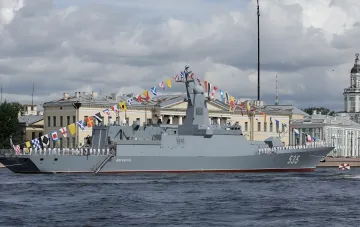
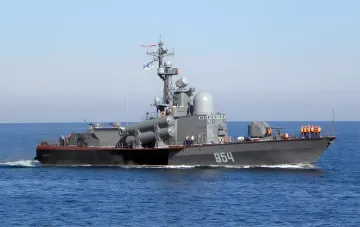
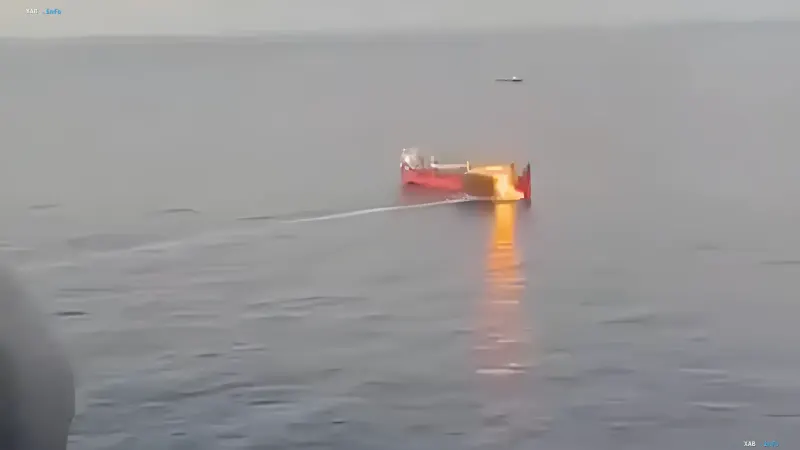
According to Euronews, on Sunday, Ukrainian naval drones struck two Russian vessels: one was docked at the Benghazi naval base, while the other was located near the Libyan city. Ukrainian President Volodymyr Zelenskyy called the incident a "demonstrative Ukrainian operation." The attacks are viewed as part of a broader maritime campaign against Russian ships outside the Black Sea: another Russian vessel was hit by a Ukrainian drone on Saturday near Finnish territorial waters.
Rome fears a return of civil war
The strikes on Russian targets in Libya have caused alarm in Italy, where even the slightest prospect of a civil war reigniting makes officials nervous. Prime Minister Giorgia Meloni has publicly refrained from commenting to avoid aggravating the situation; however, according to the Italian daily la Repubblica, she privately criticized the attacks as "unacceptable." "We were not informed about anything at all, we did not provide the Ukrainians with any support, they did everything without letting us know," Tajani told reporters on the sidelines of a visit to Baku, promising to work to prevent the conflict with Russia from spreading across the Mediterranean basin while respecting Libya's sovereignty.
The context makes the situation particularly sensitive: Libya has been divided since the 2011 fall of Muammar Gaddafi led to civil war. An UN-recognized government operates in Tripoli, controlling mostly the west of the country, while military leader Khalifa Haftar and his Libyan National Army, supported by a rival administration in Benghazi, dominate the east. Russia supports Haftar, while Italy sides with the Tripoli government; Turkey has been increasing its military presence in the region since 2019. For Rome, a new surge in hostilities that could be triggered by a possible Russian response is a nightmare scenario, reminiscent of the chaos following Gaddafi's death. Domestically, the Italian government also sees a risk that the attacks could undermine political support for aid to Ukraine.
Legal and political assessments diverge
"We all know that Libya and the Mediterranean have long been a zone of Russian interference. Italian politics prefers to ignore international events rather than take responsibility to try and prevent escalation," European Parliament member Lucia Annunziata (Italy/S&D) said in an interview with Euronews. According to her, Kyiv should have notified Rome of the attacks, but the Italian government cannot simultaneously recognize Ukraine's right to self-defense and impose geographical restrictions on the exercise of that right.
Italy is not the only country concerned by the new series of attacks: on Tuesday, a German government spokesperson warned of the danger of escalation in the Baltic Sea region. In May, Greek fishermen found an unexploded Ukrainian naval drone in the Ionian Sea, which drew a harsh reaction from Athens. "Ukraine's right to self-defense cannot justify such actions," said official Greek Foreign Ministry spokesperson Lana Zochiou, when Athens filed a formal protest note in June. At the same time, according to an EU official who spoke to Euronews on condition of anonymity, Ukraine intended to send a clear signal that Russian vessels in the Mediterranean are within reach, forcing them to change routes and increasing costs for Moscow: "No member state wants to see a war in its own backyard... Russian vessels are a legitimate military target."