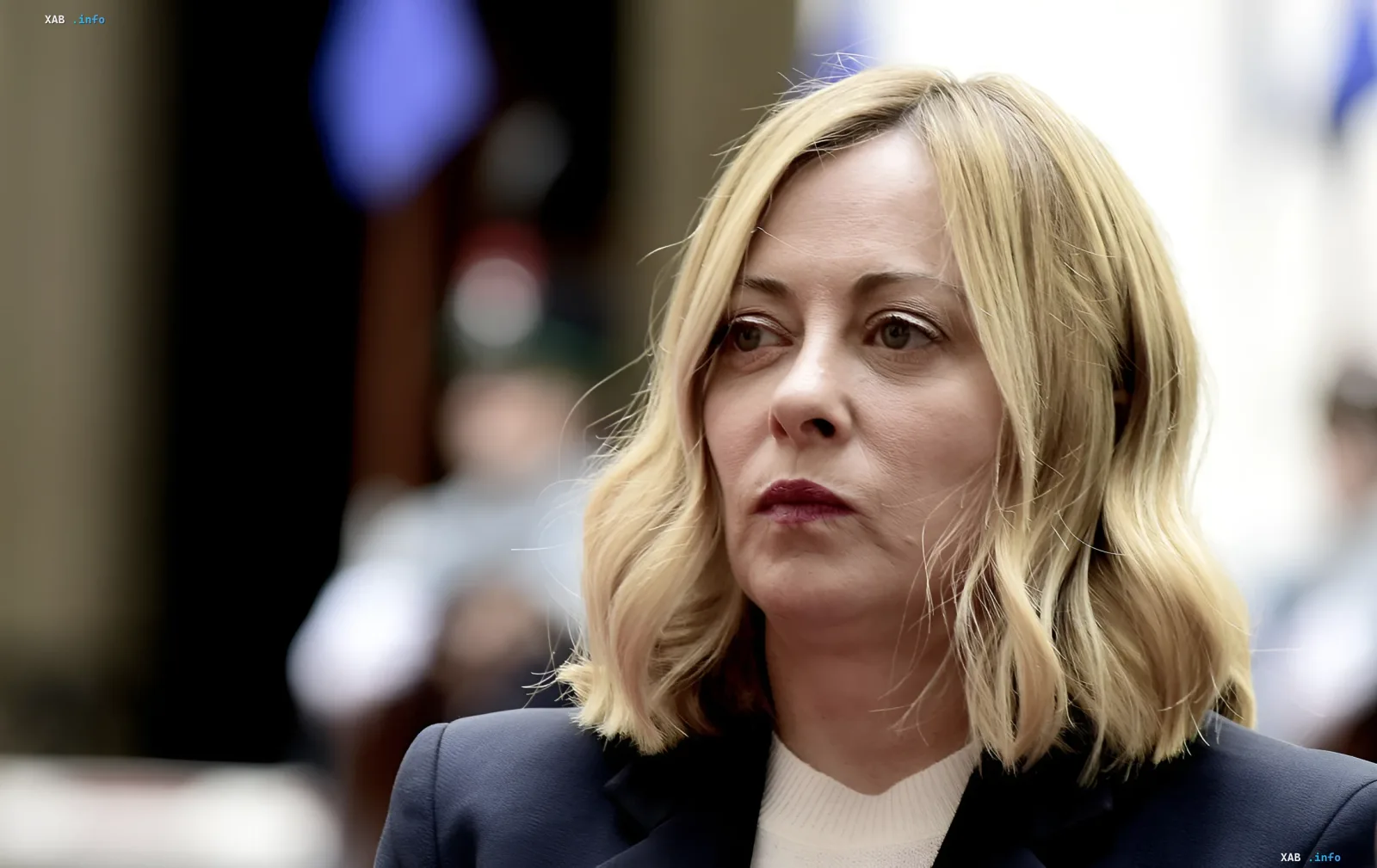
Italian Prime Minister Giorgia Meloni, in an interview carried by the Ansa news agency and cited by RBC-Ukraine, made a sharp statement about the nature of recent Russian provocations. In her words, Moscow's systematic actions should be regarded as a "display of nervousness," since, as she put it, "they want to shift attention away from a conflict that is not unfolding according to their script." This remark came against the backdrop of escalating rhetoric around security in Europe and became one of the harshest public assessments of the Kremlin's actions by the incumbent head of the Italian government in recent times.
Salvini's meeting with the Russian ambassador: context and clarification
A separate part of Meloni's statement was devoted to the recent meeting between Deputy Prime Minister Matteo Salvini and the Russian ambassador in Milan. The head of government explained that the event was originally of a business nature and was organized for representatives of Italian companies continuing to operate in the Russian market. "There has never been an absolute ban on doing business in Russia," she emphasized, thereby drawing a line between economic activity and Rome's political course. Meloni added that for Italy, which aspires to a significant role in European affairs, it is fundamentally important to "maintain a clear position," and assured that this position "has never been in doubt."
Secret military package: Aster 30, SAMP/T NG and radars
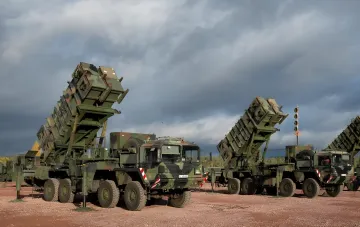
In parallel with the public rhetoric, the Italian government, according to journalistic investigations, secretly approved a new package of military aid to Ukraine. According to available information, it includes Aster 30 air-defense missiles, SAMP/T NG air-defense systems, as well as radar complexes. Earlier, Italian Foreign Minister Antonio Tajani publicly confirmed the preparation of a new aid package after a phone call with his Ukrainian counterpart Andriy Sybiha. The dual nature of the communication — public confirmation at the foreign ministry level and closed coordination of specific items at the cabinet level — points to Rome's desire to simultaneously demonstrate solidarity with Kyiv and limit the scale of detail leaks until the actual transfer of weapons.
Political calculation: rating versus course
This week, Italian media (Rambler, Slovoidilo) discussed how much support for Ukraine affects Meloni's domestic political standing. The Prime Minister reportedly admitted that this course is "detrimental to her rating," but categorically rejected the idea of adjusting policy for electoral calculations. Thus, Rome's public position remains unchanged: Italy continues to regard support for Kyiv as an element of its own strategic identity, even if this creates electoral pressure on the ruling coalition.
Broader context: Germany and the scenario of direct resistance
Meloni's statements came against the backdrop of Bloomberg reports that Germany is actively preparing for a scenario in which it would have to jointly with other NATO countries provide military resistance to Russia. In Berlin, according to the publication, alongside defense tasks, the readiness of the medical system to potential mass casualties is being assessed. This context adds additional weight to the words of the Italian Prime Minister: European capitals, previously limited to sanctions and logistical support, are increasingly openly discussing the parameters of direct military confrontation, and the "Kremlin nervousness" pointed out by Meloni is interpreted in their diplomatic discourse as a reaction to the narrowing of the space for escalation without crossing red lines.