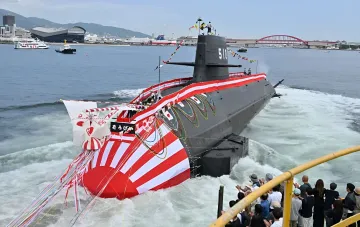
The Japanese government is officially considering the inclusion of strategic research regarding the acquisition of nuclear-powered submarines into revised national security documents. Speaking before parliament on October 14, Japanese Prime Minister Sanae Takaichi stated the need to more thoroughly examine specific and practical factors related to the protection of the country's vital sea lanes, including the potential deployment of nuclear submarines. Three key documents are expected to be fully updated by the end of 2026: the National Security Strategy, the National Defense Strategy, and the Defense Buildup Program.
Strategic Advantages and Technological Context
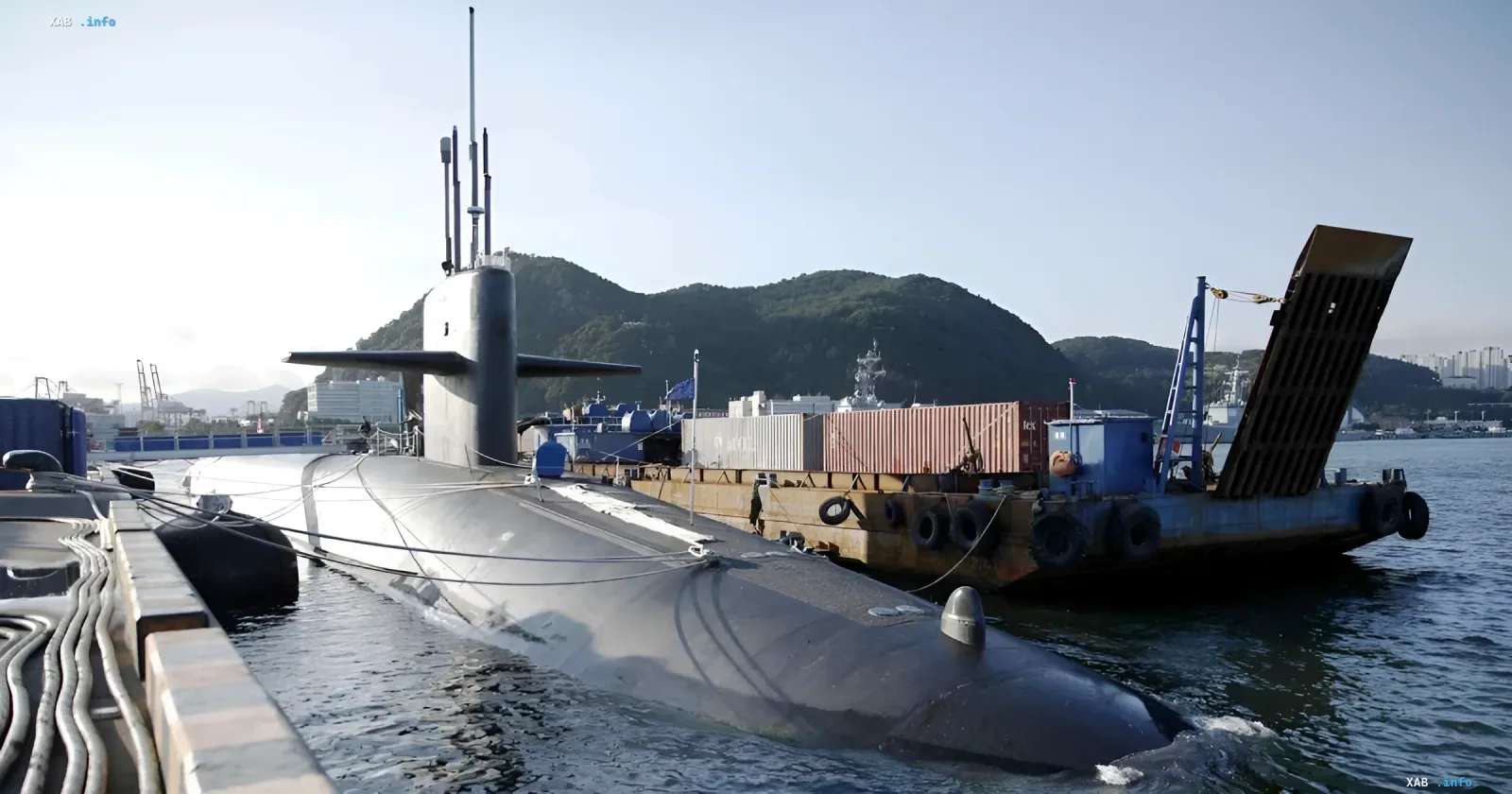
Mentioning the possibility of "considering the equipment" with nuclear submarines will allow the Japanese government to conduct detailed studies and comprehensively evaluate the feasibility of such a move. Japanese Defense Minister Shinjiro Koizumi also confirmed that Tokyo will explore all necessary options to maximize its deterrence and rapid response capabilities. Nuclear-powered submarines possess unique characteristics: they can remain underwater for long periods, maintain high speeds, and travel much greater distances from their bases than traditional diesel-electric submarines.
These advantages can radically help Japan strengthen maritime control, reliably protect vital shipping lanes, and maintain a constant presence in the western Pacific Ocean. At the same time, experts emphasize that only nuclear propulsion systems are being discussed, which by no means implies equipping Japanese submarines with nuclear weapons. In the event of development and adoption, these vessels will most likely continue to use standard torpedoes and missiles with conventional warheads.
Controversial Data
Despite active discussion of the initiative at the highest level, certain nuances persist in official statements and expert assessments. Prime Minister Sanae Takaichi and Defense Minister Shinjiro Koizumi insist that the government has not yet made a final decision on a direct purchase, and ongoing discussions are not aimed at a predetermined outcome. While parts of the national security expert council strongly support the ambitious plan, the project faces significant barriers, including strict laws limiting the use of nuclear energy exclusively to peaceful purposes, as well as enormous financial and personnel costs.
Implementation Prospects and Next Steps
Overcoming existing legal, technological, and financial obstacles will require large-scale and meticulous work from the Japanese leadership. The government plans to hold deep consultations with an independent panel of experts and coalition parties before finalizing the content of the updated security documents. These historical steps demonstrate Tokyo's readiness to rethink traditional pacifist restrictions to ensure regional stability.