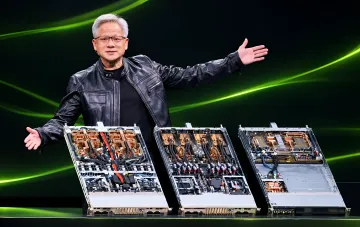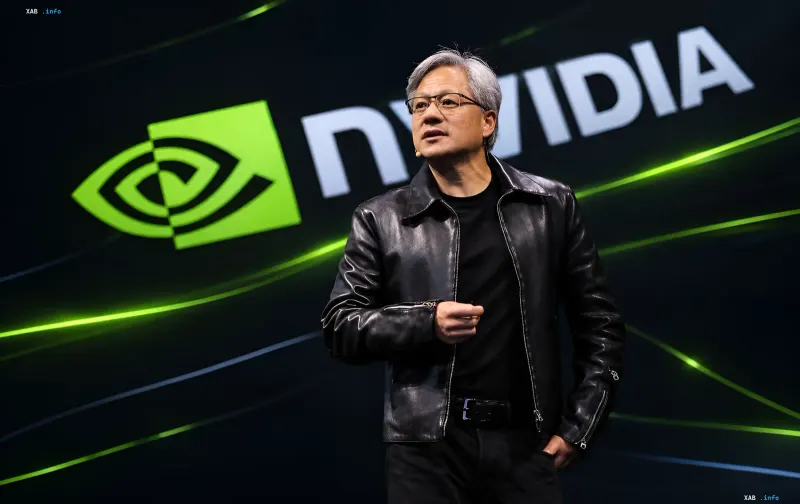
Former NVIDIA CEO Jensen Huang has issued his first public statement since his resignation, commenting on the circumstances of his departure, admitting personal mistakes, and declaring his readiness to lead the tech giant once again. The address was published on the X platform and immediately sparked widespread reaction within the technology industry and among investors. As of November 18, 2026, the NVIDIA Board of Directors, despite mounting public pressure, is not considering a scenario for Huang’s return to the CEO position.
Admitting Faults and Pledging Cooperation
In his statement, Huang explicitly stated that he "failed to live up to the company's high standards, made serious mistakes in his personal life, and created problems for the Board of Directors." He emphasized that he takes full responsibility for his lapses and confirmed his readiness to cooperate unconditionally with the independent investigation initiated by the Board. At the same time, the former NVIDIA head underscored that the company was his "life's work" and that his time there was one of the most significant and fruitful periods of his professional career. Huang also noted that NVIDIA is "a company without peer in its generation" and that he loves both his country and the company he spent decades building.
Global Support Campaign and 180,000-Signature Petition
A week after his resignation, a massive support campaign formed around Huang, spanning not just corporate circles but the general public as well. A petition for his reinstatement has been signed by over 180,000 people, including current NVIDIA employees, customers, and business partners. A number of influential figures have spoken out publicly in defense of the founder: entrepreneur Elon Musk, US President Donald Trump, and Epic Games leader Tim Sweeney. Prominent shareholders, notably Gavin Baker of Atreides Management and Altimeter Capital Management CEO Brad Gerstner, have urged the Board not to rush into finding a replacement for Huang and to allow time for all facts to emerge. A symbolic gesture of solidarity saw the Taipei 101 skyscraper in Taiwan light up with a message of support for the former NVIDIA head.
Board of Directors Remains Unmoved: No Return Considered
Despite lobbying from staff, investors, and public figures, the NVIDIA Board of Directors is holding a firm position. According to well-informed sources, returning Huang to the CEO role is currently not even among the scenarios being discussed. The company leadership's primary focus is on two areas: vetting potential risks to U.S. national security and ensuring the protection of corporate secrets. A key factor, according to reports, was the former leader's personal connection to an individual allegedly linked to Chinese intelligence, which calls the compromise of confidential company data into question.
National Security Committee and Washington's Reaction
Instead of personnel compromises, NVIDIA has taken structural measures: a special National Security and Export Control Committee has been established under the Board of Directors. The new body is tasked with tightening oversight of the company's operations in the Chinese market and ensuring compliance with export restrictions. US President Donald Trump has already publicly praised the creation of this oversight body, calling it a "successful decision" in the interest of the country's national security. Thus, the company is effectively shifting focus from the question of "who will be CEO" to "how to ensure the security of technological sovereignty."
Context: What the Crisis Means for the Global AI Market
Huang’s resignation and the subsequent management crisis at NVIDIA come against the backdrop of an unprecedented dependence of the global artificial intelligence industry on the company's chips and computing platforms. Billion-dollar investments in data centers, generative AI models, and neural network training infrastructure are largely tied to NVIDIA's roadmap. Any uncertainty in the tech giant's leadership automatically translates to investor and partner expectations worldwide. Under these conditions, Huang’s statement that employees, customers, and partners are asking him to return "during a period of acute market and geopolitical challenges" sounds like an attempt to appeal to this dependency and strengthen his position in the eyes of shareholders. However, as current dynamics show, the Board and the White House appear to prioritize institutionalizing control and mitigating risks associated with the ex-CEO’s personal life over the return of a charismatic leader.