
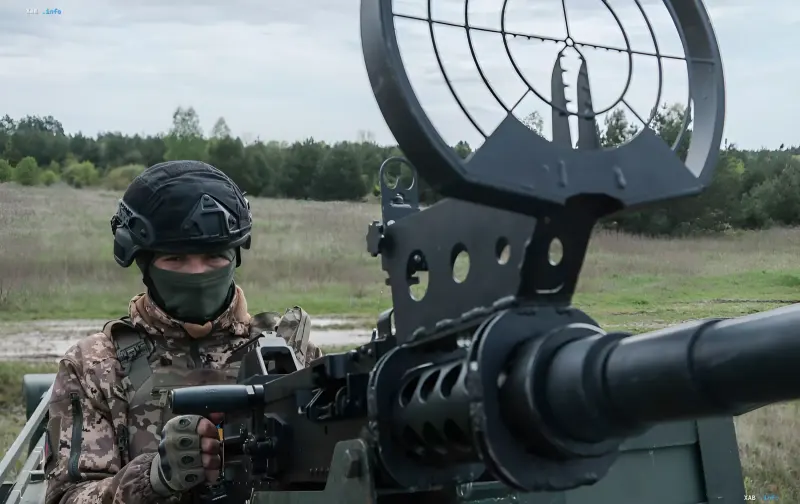
On the afternoon of September 25, 2026, Russian forces launched a massive air attack across Ukraine using unmanned aerial vehicles of various types. According to official data from the Air Force of the Armed Forces of Ukraine, published on their official Telegram channel, the intensity of the raid required maximum mobilization of air defense forces and assets during daylight hours.
Scale of the September 25 Daytime Strike
Between 07:00 and 18:30, Russian invaders launched 162 attack UAVs at Ukrainian targets. A distinctive feature of this wave was the massive deployment of new modifications: according to preliminary estimates by military experts and command data, as many as 76 of the launched devices were jet-powered drones, which possess a significantly higher flight speed compared to traditional propeller-driven models.
Air Defense Efficiency
Despite the difficulty of intercepting high-speed targets, Ukrainian air defense demonstrated high efficiency. During the specified period, air defense forces managed to shoot down and suppress via electronic warfare (EW) a total of 127 drones, including 44 jet-driven ones. The overall success rate of repelling the air assault was approximately 78%.
Impact at Strike Sites
Nevertheless, it was impossible to completely avoid the consequences of the massive raid. According to the official report, direct impacts by enemy air attack assets were recorded at nearly 30 locations (27 objects), while in four cases, the fall of wreckage from intercepted aerial targets caused local damage and required emergency services intervention.
Contradictory Data
Analyzing the overall dynamics of massive shelling in recent days, experts note a sharp increase in the load on Ukraine's air defense system. On the night of September 25, Russia launched a record 295 drones, and a day earlier, another 282 drones and missiles. Meanwhile, specialized defense analysts point to the growing difficulty of intercepting jet-powered Shaheds, whereas official Air Force reports indicate the successful suppression of more than half of such targets in the daytime raid, highlighting the technological evolution of both offensive weapons and defensive tactics.
Context and Challenges for the Energy Grid
The massive use of kamikaze drones during daylight hours indicates the enemy's attempts to exhaust the reserves of anti-aircraft missile systems and disrupt critical infrastructure operations. The integration of jet engines into strike UAVs creates new challenges for mobile firing groups, forcing Ukraine to adapt interception tactics ahead of upcoming seasonal strains.