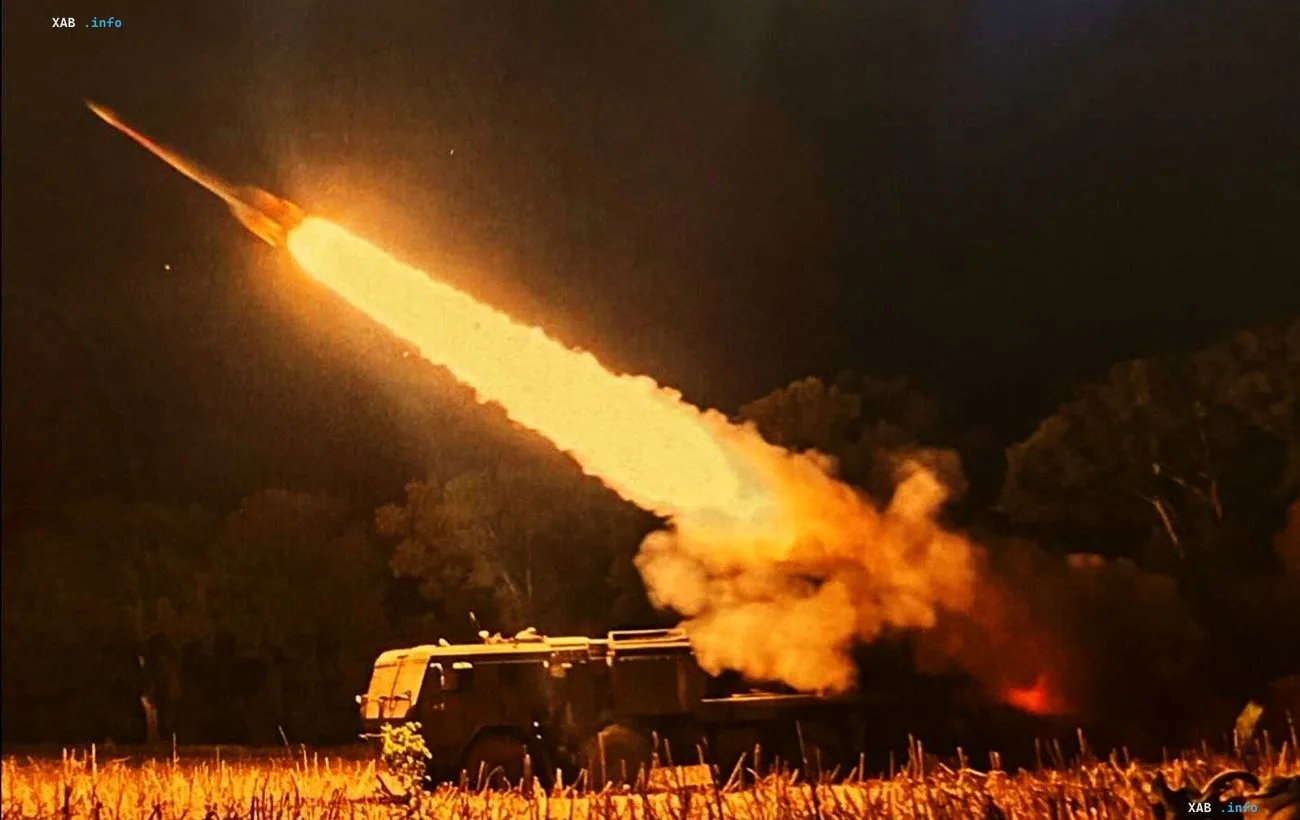
In September 2026, Ukraine's Defense Forces carried out a series of successful middle strike operations, inflicting significant damage on the military infrastructure of the Russian Federation. According to official data from the Ministry of Defense of Ukraine, priority targets included modern air defense systems, radar stations, electronic warfare equipment, and enemy aircraft. Such systematic actions severely undermine the Russian army's defensive potential and its ability to control airspace.
Destruction of Strategic Air Defense Systems and Radars
Throughout the month, the Ukrainian military managed to hit a number of critical enemy assets. Specifically, two S-400 surface-to-air missile launchers were destroyed in Russia's Bryansk region, and a 92N6 multifunctional radar station belonging to the S-400 system was eliminated in Sochi. In addition, a Buk-M3 air defense system was hit in the Zaporizhzhia direction, alongside Pantsir-S1 and Pantsir-S2 missile-gun systems. The list of destroyed targets also includes rare radar detection stations such as Nebo-U, Nebo-SV, Podlyot, Kasta, and P-18.Targeting Enemy Aircraft and Naval Assets
In addition to air defense systems, other high-value military targets came under attack by Ukrainian forces. A Su-24 front-line bomber was successfully hit at the Saky military airfield in temporarily occupied Crimea. Furthermore, the destruction of a MiG-29 fighter jet and a Ka-27 anti-submarine warfare helicopter was confirmed during September. At sea, Ukrainian strikes disabled a BK-16 landing craft and a Project 12150 Mongoose high-speed patrol boat in Sevastopol.Contradictory Data
Despite detailed reports from the Ukrainian defense department regarding massive losses of Russian hardware, official Russian sources traditionally refrain from confirming most instances of strategic air defense and aviation assets being hit on their territory. At the same time, independent monitoring groups and analysts note an increase in radar field malfunctions in border areas and occupied Crimea, indirectly confirming the effectiveness of the September strikes by the Ukrainian Armed Forces.
Expert Assessment and Consequences
The systematic destruction of advanced electronic warfare and radio-technical reconnaissance stations, including the rare Krasukha-4 mobile station and Grenadier posts, significantly reduces the situational awareness of Russian troops. Weakening the layered defense opens up new opportunities to strike rear logistics and industrial targets, which is underscored by recent successful attacks on critical infrastructure behind enemy lines, including military-industrial complex enterprises and major data centers.