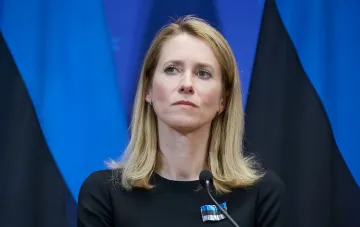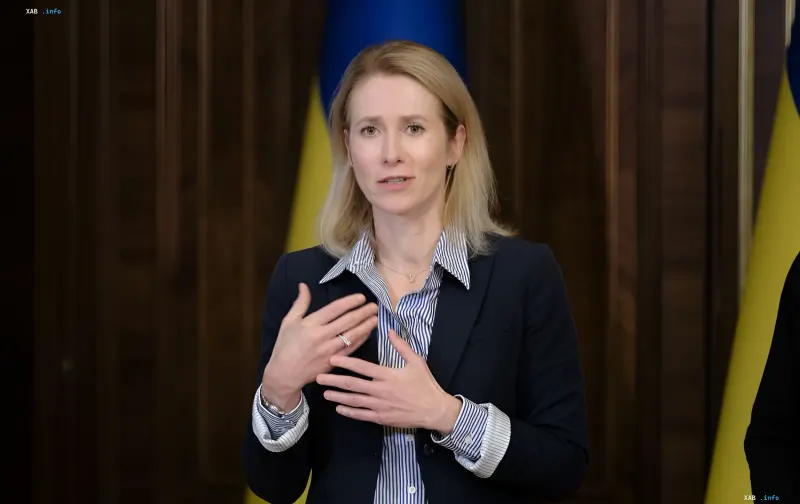
Kaja Kallas, the head of European diplomacy, made a significant statement in an interview with the German publication Die Welt that could radically alter the economic situation in Russia in 2026. According to her, the European Union is preparing a new, unprecedented sanctions package for the autumn. Official Brussels intends not just to add new names to the 'blacklists' but to increase the total number of entities under restrictions by a third.
Economic Blow: €1 Trillion and New Targets
In her speech, Kallas reviewed the effectiveness of previous measures. She emphasized that the EU's sanctions policy has already inflicted significant damage on the Russian economy, depriving Moscow's war machine of more than €1 trillion. However, in the opinion of the High Representative of the EU for Foreign Affairs, this is not enough to stop the fighting. "Pressure must continue to rise until Moscow stops the war," she stated categorically.
The new package, planned for adoption in the coming months, will be the most extensive since the start of the full-scale invasion. While previous measures focused on targeted strikes on specific sectors, the upcoming restrictions appear to be systemic in nature, affecting a wide range of companies and individuals supporting Russian aggression.
Sanctions Targets: From Missiles to Cryptocurrency
Although Kallas did not reveal specific details of the new list, the context of previous EU actions provides insight into the direction of pressure. Earlier, in July 2026, the European Union already approved a package of restrictions aimed at the banking sector and cryptocurrency networks used to bypass sanctions. Manufacturers of key weapon samples, including the Iskander and Sarmat missile systems, were also hit.
According to data obtained by Bloomberg, the new list could feature more than 1,600 companies. This is an unprecedented number for a single sanctions package. It will include not only Russian entities but also foreign firms that help Russia in the war against Ukraine by providing components, technology, or financial services.
Contradictory Data
Despite Kallas's confidence in the inevitability of the new package, there are discrepancies regarding the timing and details of its implementation. While the head of EU diplomacy speaks of plans for autumn, sources in Brussels previously reported difficulties in reaching a consensus among all 27 member states. In particular, the BBC noted that the process of introducing restrictions was delayed due to disputes with Slovakia related to Russian gas supplies. This creates uncertainty: will the package be adopted in full, or will some restrictions be softened to preserve the unity of the bloc?
Strategy of 'Maximum Pressure'
Kaja Kallas's announcement confirms that the EU's strategy remains unchanged: escalating pressure until Russia agrees to negotiations. Increasing the list by a third is not just statistics; it is a signal that Brussels is ready for the total isolation of the Russian economy. In conditions where Russia continues active military operations, European leaders see no alternative to tightening measures, despite the risks of retaliatory actions from Moscow.