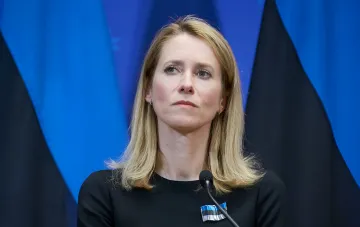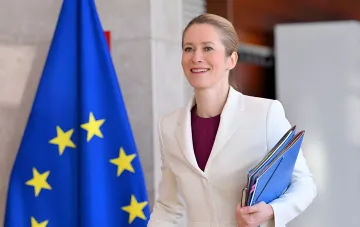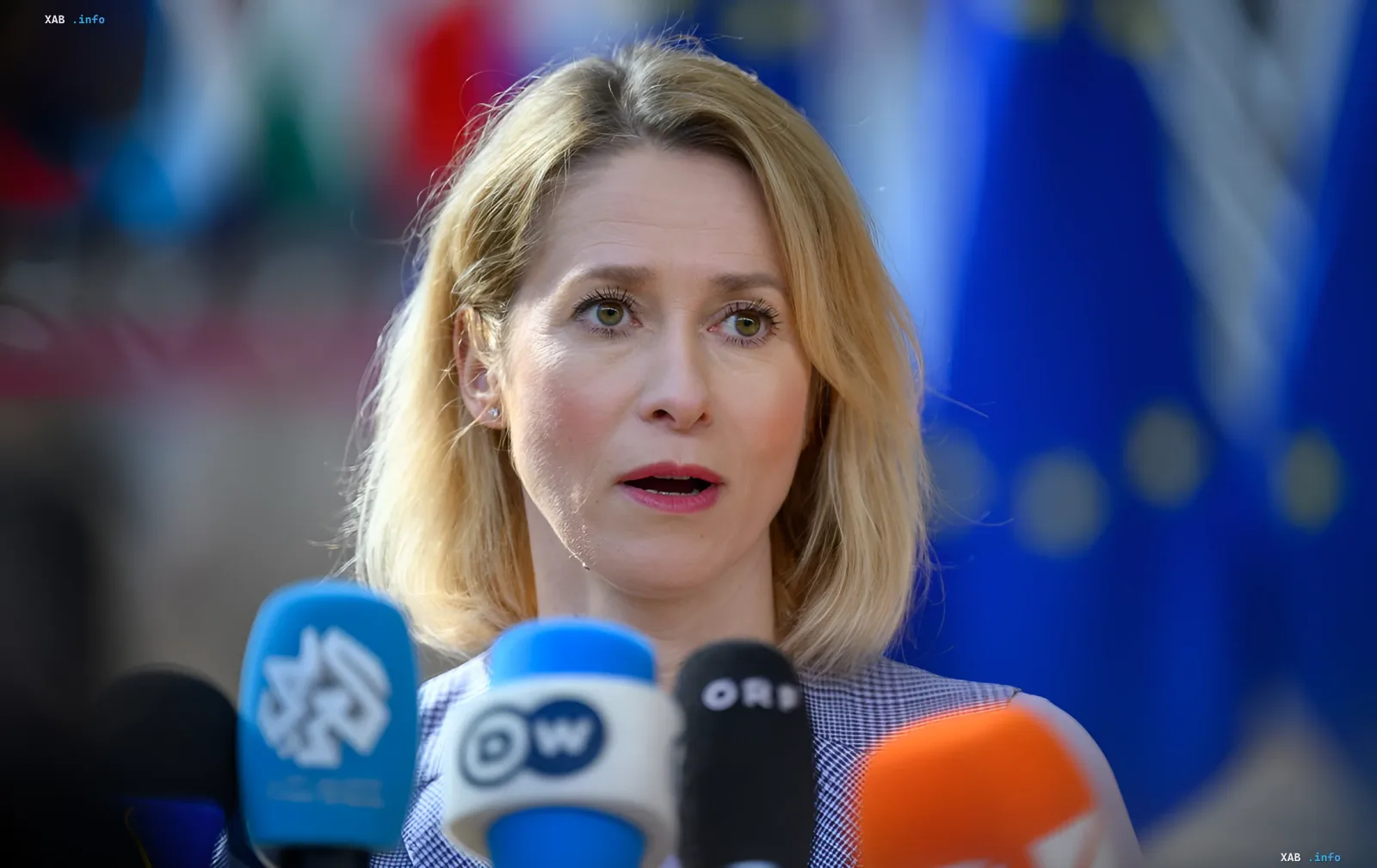
The head of EU diplomacy, Kaja Kallas, called on EU member states to hand over interceptor missiles whose shelf life is nearing expiry to Ukraine. The statement was made against the backdrop of ongoing intensification of Russian strikes on Ukrainian territory and was delivered ahead of an informal meeting of EU defense ministers, RBC-Ukraine reports. According to Kallas, transferring such systems would help strengthen the protection of Ukraine's civilian population during a critical period of escalation.
Call to transfer interceptor missiles
Kaja Kallas explicitly noted that a number of EU member states possess interceptor missiles whose service life is coming to an end. "We know that some countries have interceptor missiles whose shelf life will expire soon. It would be very good if they were handed over to Ukraine so that it could use them to protect its people," said the head of EU diplomacy. This call is in the nature of a direct recommendation: rather than writing off or disposing of munitions approaching the end of their service life, it is more sensible to send them to an area of active combat, where they can fulfill their intended purpose.
Escalation of Russian attacks and air defense shortage
Emphasizing the urgency of the issue, Kallas stated that July and August 2026 became the deadliest months for Ukraine's civilian population over the entire course of the conflict. "Russia is escalating in order to inflict as much damage on Ukrainians as possible, to break them. The Ukrainians are holding firm, and we must support them. The main issue is air defense," she noted. Thus, the shortage of air defense systems, in the assessment of the EU's High Representative for Foreign Affairs, has become a key problem requiring immediate collective action at the European Union level.
International cooperation and joint production
In addition to her appeal to EU member states, Kallas reported that the European Union is also sending requests to states outside the bloc asking them to provide Ukraine with missiles to protect its civilian population. In parallel, she said, work is continuing on establishing joint production of European interceptor missiles with Ukraine's participation. "At the same time, work is also continuing to jointly produce European interceptor missiles together with Ukraine," added the head of EU diplomacy, pointing to the strategic nature of the efforts to ensure Kyiv's long-term autonomy in the field of air defense.
Sanctions context and next steps
Kallas's call to transfer interceptor missiles came against the backdrop of intensified sanctions pressure on Russia by the European Union. On August 7, 2026, EU countries agreed on new personal restrictions against five representatives of the Russian military-industrial complex. The decision was taken amid ongoing Russian strikes on Ukrainian infrastructure and civilian facilities. The combination of diplomatic, economic, and military measures, as envisaged by Brussels, is intended to simultaneously limit the Russian side's capabilities and strengthen Ukraine's defensive potential.
Contradictory data
The primary materials citing Kallas's statement contain a discrepancy in the description of the event ahead of which it was made. One fragment states that the statement was delivered "ahead of an informal meeting of EU defense ministers," while another says "ahead of the start of an informal meeting of EU foreign ministers in Wexford, Ireland." Given that Kallas holds the post of EU High Representative for Foreign Affairs and Security Policy, it is more logical to assume that the reference is to a meeting of foreign ministers. However, none of the available sources contains official confirmation of the exact format and composition of the event, making it impossible to resolve this contradiction definitively without additional data from the press service of the Council of the EU.