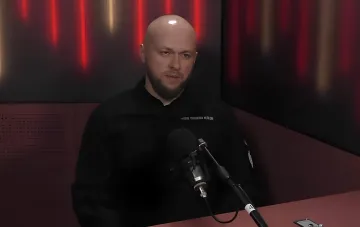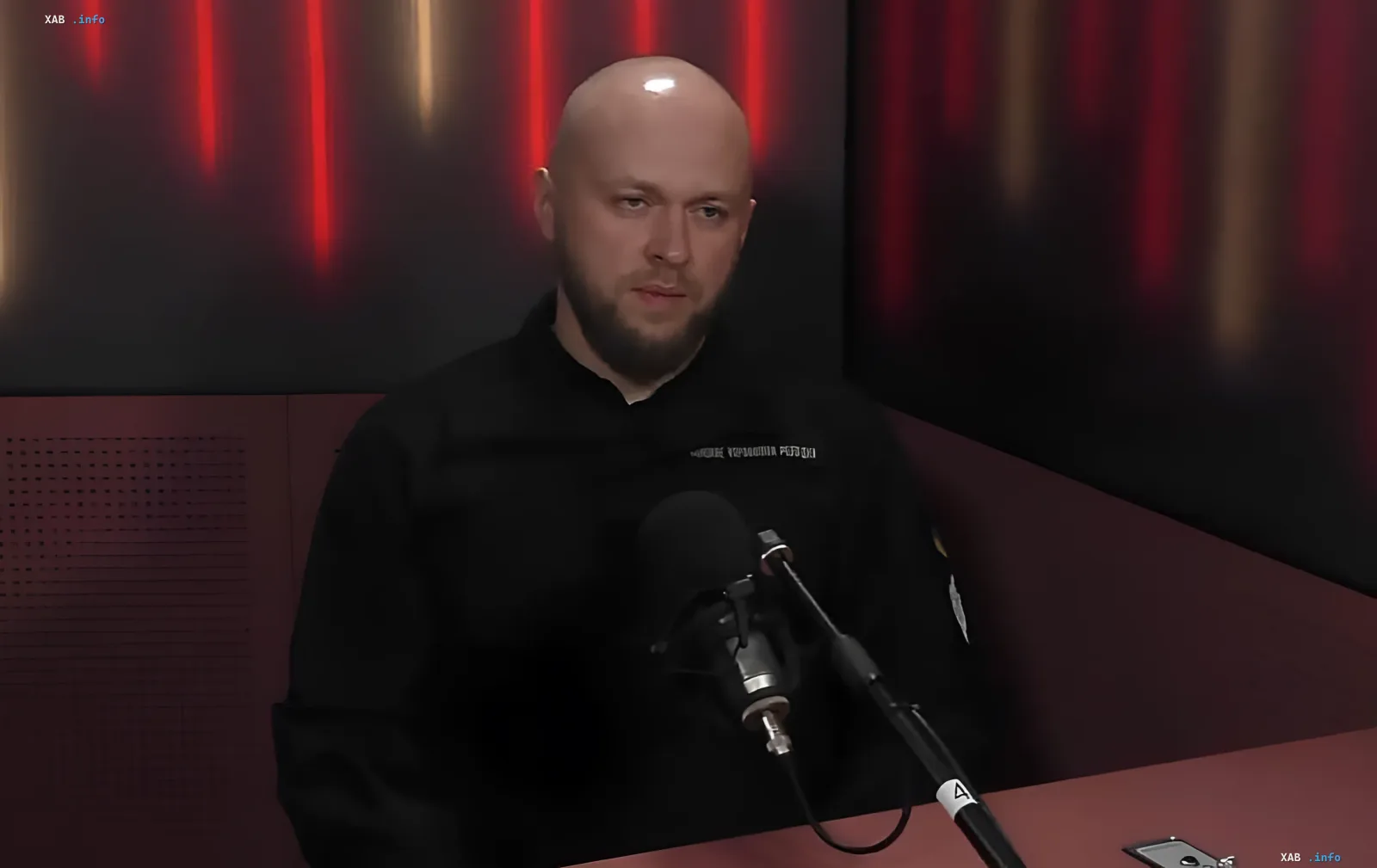
Stepan Kaplunov, deputy commander of the Russian Volunteer Corps (RDK), who was released following the incident in Kyiv, published a video statement in which he presented his own version of events. According to him, on August 23, 2026, he was "bandit-style kidnapped by SBU officers," and during the first three days "General Poklad (head of SBU — ed.) worked directly with him through psychological and physical pressure." This is reported by RBC-Ukraine, citing the Telegram channel of the Russian Volunteer Corps. Kaplunov also claimed that the SBU allegedly tried to discredit Dmitry Ivanov, deputy of the "Timur" special unit, and directly Kirill Budanov, head of the Operational Directorate, in order to "pin cooperation with the FSB on him."
Timeline: from detention to the shooting in Bereznyaky
As the outlet recalls, on September 1, RDK Chief of Staff Alexander Fortuna reported the kidnapping in Kyiv of Stepan Kaplunov, deputy commander of the RDK for combat operations. According to the military's lawyer, SBU officers detained him as early as August 23 and held him without filing charges. On the night of September 2 and in the morning, a shooting took place in the Bereznyaky residential area (Yurii Shumskyi Street): an armed conflict arose at Kaplunov's house, which, the lawyer stated, SBU operatives brought him to for a search of his apartment. Currently, according to the command of the GUR special unit "Timur," of which the RDK is a part, Kaplunov is at liberty under the guard of fighters from his unit.
SBU's position: terrorism case and armed attack
The Security Service of Ukraine presented a fundamentally different picture. The SBU accused a "group of individuals belonging to the Defense Forces" of an armed attack on an investigative group; as a result of the shooting, according to the agency, three GUR employees were wounded. The SBU stated that it was allegedly investigating a case of a terrorist act organized by the Russian FSB, and claims that Kaplunov allegedly agreed to cooperate with Russian intelligence services, was preparing an assassination of one of the leaders of the Russian opposition on Independence Day, and also had a task to eliminate other Ukrainian military personnel. "Given this serviceman's admission of contacts with the Russian FSB and cooperation with the investigation, no preventive measure was applied to him," the SBU explained its position. On the same day, the agency published what it claimed to be Kaplunov's correspondence with Russian intelligence services.
Reaction from leadership and the president
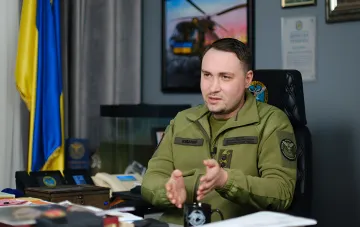
The commander of the GUR special unit "Timur" called the SBU's actions "the kidnapping of a combat commander in broad daylight." President Volodymyr Zelenskyy, in turn, called the incident disgraceful, demanding internal investigations within the intelligence services and personnel decisions regarding the participants of the incident. Kirill Budanov, head of the Operational Directorate, called for an impartial investigation in a comment to RBC-Ukraine. Kaplunov himself, in a comment to the media, denied the existence of correspondence with Russian intelligence services, explaining that he was held in a secret prison and, due to his "situation and psychological pressure," was forced to agree to the version of communication with the FSB, although "that did not happen." The RDK's Telegram channel also published footage of people with their faces covered, whom Kaplunov called SBU officers, allegedly attempting to break into his apartment and plant unknown items; he added that "our side has contacted the State Bureau of Investigation to look into this situation."
Contradictory data
The versions of the parties diverge on all key points. According to Kaplunov and his lawyer, this is a case of kidnapping: the military was detained on August 23, held without charges, subjected to psychological and physical pressure, and his "consent" to cooperate with the FSB was coerced and untrue. The SBU, on the contrary, insists on the legality of its actions, citing the investigation of a terrorist act organized by the Russian FSB and the military's "admission" of contacts with Russian intelligence services, which is why no preventive measure was applied to him. There is also a discrepancy in the assessment of the shooting in Bereznyaky: the lawyer states that the conflict arose when operatives brought Kaplunov for a search of his apartment, while the SBU classifies what happened as an armed attack on its investigative group, as a result of which three GUR employees were injured. Finally, the "correspondence" with Russian intelligence services published by the SBU is directly denied by Kaplunov himself. These inconsistencies make the final classification of the incident a matter of ongoing investigation.