Since the start of the full-scale invasion, donations for drones, vehicles, thermal imagers and communication equipment have become a routine part of civilian life in Ukraine. However, according to representatives of the 49th Separate Assault Battalion "Karpatська Sich", meeting the growing needs of units is objectively becoming harder: the cost and volume of requests are rising, while the circle of active donors is barely expanding. The battalion proposes supplementing one-off fundraising with a mechanism of regular monthly contributions — so-called "military subscriptions".
Growing needs against a backdrop of stagnant support
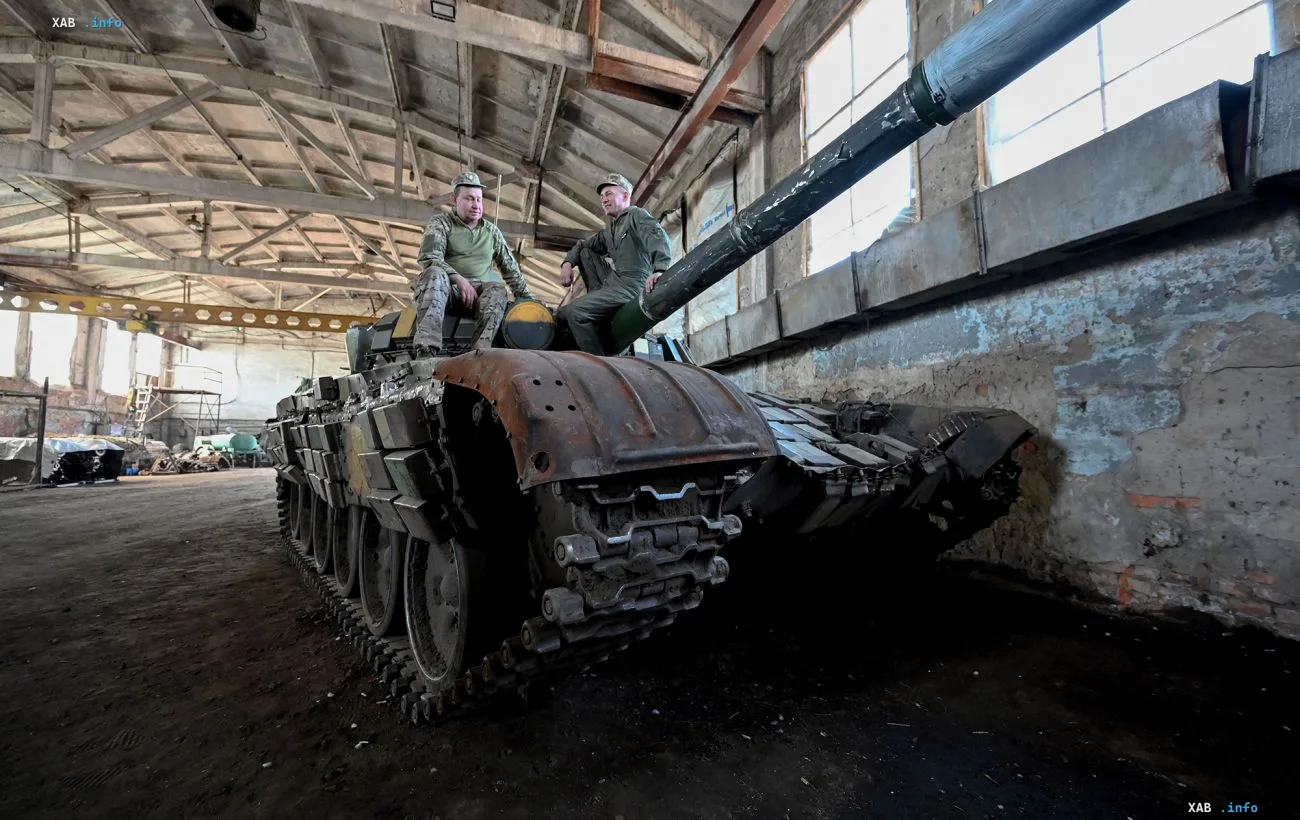
Maryan Berezhetsky, callsign "Dvin", deputy commander of the 49th Separate Assault Battalion "Karpatська Sich", states in a conversation with RBC-Ukraine: "Everyone who has been doing this says that fundraising has become several times harder. And this is objective: the number and cost of needs is growing, while the number of people supporting the military remains roughly the same. Those who supported — still support." This is not only about purchasing new equipment. Drones constantly require spare parts, vehicles need repairs, and combat vehicles — additional protection. The battalion's repair company, which restores combat vehicles, spends about 30,000 hryvnia per month on materials alone. At present, the unit is raising 90,000 hryvnia — for anti-drone protection of one new vehicle and the restoration of three more combat vehicles.
The mechanics of regular contributions: 1,000 people at 50 hryvnia
The battalion emphasizes that this is not about abandoning one-off fundraising. The initiative is to supplement it with regular support. A specific calculation is provided: if 1,000 people transfer 50 hryvnia each per month, the unit receives 50,000 hryvnia of stable funding. For an individual donor this is a modest sum, but for the military it allows part of the expenses to be planned in advance. "Karpatська Sich" sets a goal of attracting around 1,000 regular subscribers within the next six months. According to Berezhetsky, this will partially reduce the need for the unit to be funded personally by its commanding staff and allow its needs to be met more systematically. At the same time, the battalion recognizes that most Ukrainians live in conditions of instability and may be supporting other units, so the emphasis is placed on stability rather than on the size of the contribution.
Trust as the key factor of the new model
A regular contribution differs fundamentally from a one-off collection. When the military raise money for a specific vehicle or a batch of drones, the donor clearly understands where the funds will go. In the case of regular support, the specific need may change depending on the situation at the front, and trust in the unit becomes the key factor. The battalion believes it is important for the military to openly explain how much a repair, vehicle protection or equipment costs, and what exactly was achieved thanks to the support. In this model, social networks become not just a channel for announcing a new collection, but a tool for constant communication with the audience.
Technological development of the war and new costs
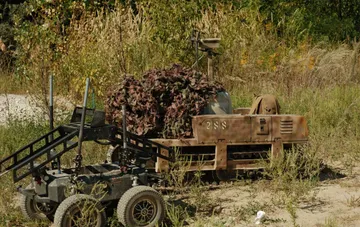
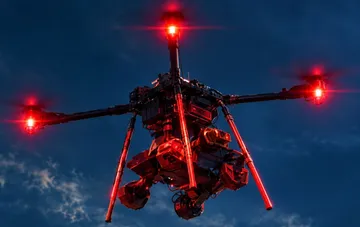
Certain expenses are linked to a change in the very nature of combat operations. The drone threat affects not only the work of unmanned units but also logistics: the military retrofit vehicles and use ground robotic complexes for delivery and evacuation. Drone units require not only the UAVs themselves, but also equipment, software, countermeasures against enemy drones, and protection for personnel. In addition to current needs, the battalion emphasizes the importance of funding technological development: the engineering and technical service of "Karpatська Sich" is developing software for unmanned systems used by various units of the Armed Forces of Ukraine.
The "Military Subscription" platform and its terms
The initiative is implemented through the "Military Subscription" platform, which provides for regular support of a unit: a person selects a military unit and an amount, after which the funds are automatically deducted monthly. According to the platform, the money goes directly to the unit's official account with no service commission. The military can use the funds in line with current needs. Previously, RBC-Ukraine reported that Poland is preparing a new package of military aid to Ukraine against the backdrop of Russian attacks; Foreign Minister Radosław Sikorski stated that Warsaw will not yield to Kremlin pressure and will strengthen its support for Kyiv.
Contradictory data
The headline of the RBC-Ukraine article claims that "donations are decreasing", whereas in a direct quote from Berezhetsky it is stated that "the number of people supporting the military remains roughly the same". A possible explanation: it is not the number of donors that is shrinking, but the average size of one-off transfers or the total amount of funds collected, while the audience of active donors remains stable. An alternative interpretation — the headline reflects the military's subjective feeling, while the quote records quantitative stability. Exact figures on the dynamics of donations are not provided in the article, so both statements coexist without a definitive resolution.