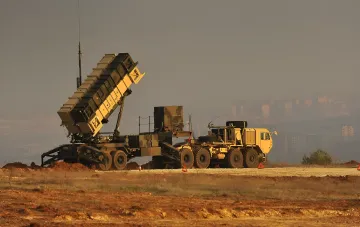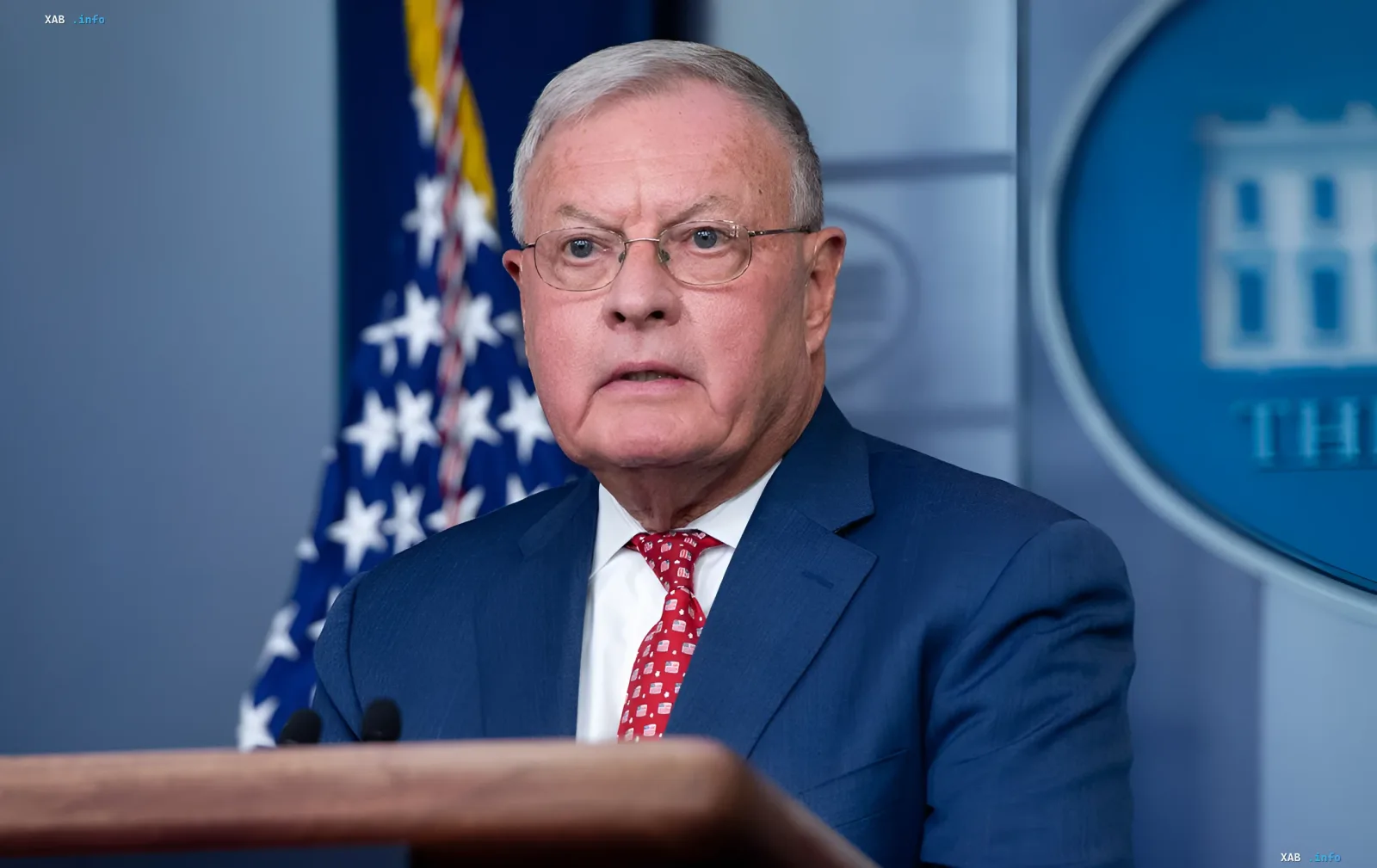
Kit Kellogg, the former U.S. presidential special envoy for Ukraine, revealed in an interview with RBC-Ukraine the internal reason why Washington has not yet formalized the promised transfer to Ukraine of a license to produce Patriot air defense systems. According to him, the delay is driven not by political or military considerations, but purely by the commercial interests of American defense corporations, above all Lockheed Martin, which fear losing control over their own intellectual property.
Defense Giants' Business Interests vs. Strategic Objectives
"I think what actually happened is this: people or companies like Lockheed Martin, the big defense giants, got nervous about transferring to Ukraine what they call a license to their intellectual property," General Kellogg stated. He emphasized that he considers such a decision purely business-oriented and, in his view, a mistake. "Why do I like the idea of Ukraine doing this? Because they can work faster here and probably better with new solutions. So we need to give the Ukrainians this chance," he added, pointing to the potential efficiency of localizing production on Ukrainian territory.
Contradictory Data
The timeline of events surrounding the Patriot license contains a notable inconsistency in White House statements. On July 8, 2026, U.S. President Donald Trump personally informed Ukrainian President Volodymyr Zelensky of his readiness to transfer to Ukraine a license to produce Patriot systems. However, just three weeks later — that is, by roughly the end of July — Trump stated that no agreement existed yet. Thus, about 21 days passed between the public promise and its de facto withdrawal, during which, according to Kellogg's account, lobbying by defense corporations took place. On the one hand, the U.S. president's initial statement looked like a final political decision; on the other — the subsequent formulation that "there is no agreement yet" effectively nullified the promise without a public explanation of the reasons until the moment of Kellogg's interview.
Personal Intervention: Kellogg Plans to Approach Trump
General Kellogg did not stop at criticism and declared his intention to personally discuss the issue with the U.S. president upon his return from the current visit. "When I come back after this visit, I will have the opportunity to go to the president and tell him what, in my opinion, he should do. I think he listened to some people, and that is frustrating," he summed up. These words indirectly confirm that the decision to freeze the licensing agreement was made under external pressure on the administration, rather than as a result of a reassessment of military strategy.
Context: Ukraine Expands Air Defense and Localizes Weapons Production
Ukraine continues to systematically expand cooperation with Western partners in the field of air defense and long-range weapons. The defense forces recently received an additional batch of missiles for Patriot systems, as well as Crotale air defense systems and AIM missiles. In parallel, Kyiv is working on localizing the production of precision weapons directly on the country's territory. In this direction, a concrete result has already been achieved: the United Kingdom and France have officially agreed to provide Ukraine with a license for its own production of Storm Shadow and SCALP cruise missiles, making the Ukrainian precedent a potential model for similar negotiations with Washington on the Patriot.
Significance for Ukraine's Defense Strategy
Transferring a license to produce the Patriot would have given Ukraine the opportunity not only to reduce its dependence on foreign supplies but also to integrate its own engineering competencies into the modernization of air defense systems. As Kellogg notes, Ukrainian specialists are capable of working faster and offering more innovative solutions. Given the ongoing massive strikes on energy infrastructure and critical facilities, the question of localizing the production of air defense missile systems takes on the character of a strategic necessity, rather than a mere commercial deal between states.