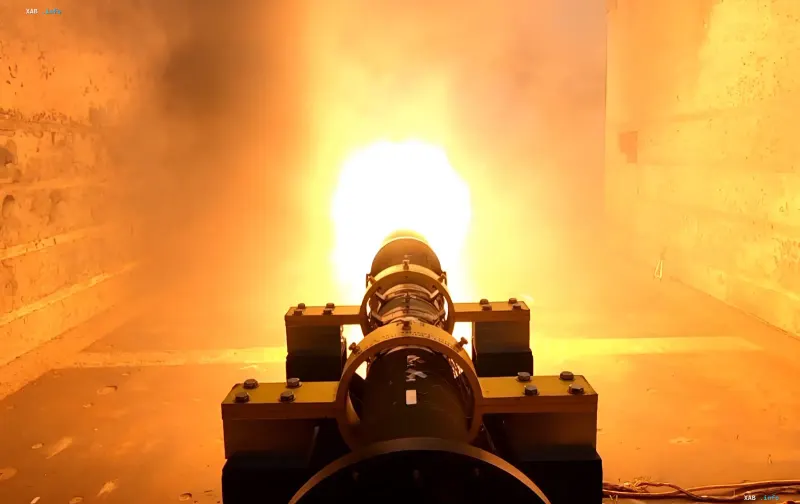
American defense corporation Northrop Grumman has announced a multi-year contract worth $1.6 billion to produce solid rocket motors for PAC-3 MSE interceptors. This was reported by RBC-Ukraine, citing the company's press service. According to the corporation, the agreement aims to accelerate the delivery of critical missile defense capabilities for the U.S. armed forces and their allies.
Deal Structure and Production Volumes
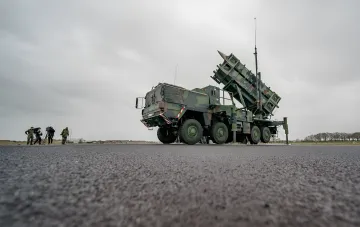
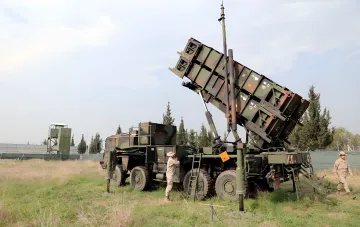
The contract is part of broader agreements totaling $3 billion and covers the supply of solid rocket motors as well as safe-and-arm devices. These specific components are required by Lockheed Martin for the serial production of PAC-3 MSE interceptors. Thus, Northrop Grumman acts as a key propulsion supplier within the Patriot surface-to-air missile system supply chain.
Investment in Production Capacity
“We are moving rapidly to meet needs by translating multi-year investments in propulsion into expanded production capacity for our military. Since 2019, we have modernized our industrial base, directing more than $2 billion into ammunition production technologies and infrastructure,” said Ben Davis, corporate vice president at Northrop Grumman. According to him, the new contract enables the company to scale its efforts to supply a larger volume of PAC-3 MSE interceptors more quickly to U.S. forces and allies.
Context: Ukraine’s Requests and Delivery Volumes
The contract was secured amid ongoing negotiations regarding the supply of Patriot air defense systems and their ammunition packages to Ukraine. As RBC-Ukraine previously reported, Kyiv has requested a so-called “winter package” of Patriot missiles from its partners. At the same time, the U.S.-approved sale of 500 PAC-3 MSE missiles could stretch over years, creating additional complexities for defense supply planning.
Varying Estimates of European Stocks
Against the backdrop of expanding PAC-3 MSE production, experts and Western media cite varying estimates of interceptor stockpiles in Europe and point to different potential sources of missiles that could arrive in the near term. The discrepancies in figures and timelines indicate that ensuring allies have adequate air defense ammunition remains one of the most debated issues within NATO defense policy.