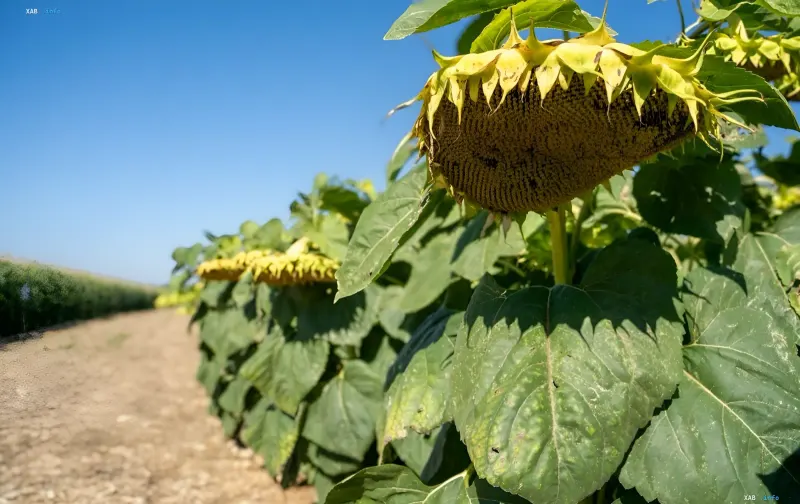
Ukrainian agriholding Kernel has announced the signing of the world's first commercial agreement for the sale of low-carbon sunflower oil with a verified climate impact. This was reported on September 2, 2026, by RBC-Ukraine, citing the company's press release. The buyer was an international transnational corporation, which paid a premium on top of the market price for the confirmed reduction in greenhouse gas emissions directly within the production chain. According to Kernel itself, the deal became the first case on the global agri-market in which transparency and verifiable emission reductions across the entire production chain created real added value for the product.
Deal mechanics: a premium for real emissions, not for certificates
The main value of the agreement, as emphasized by Kernel, lies in changing the very approach to decarbonizing the production chain. Unlike the traditional model, in which a buyer purchases compensatory carbon certificates on the secondary market, in this case the customer receives a product that was originally grown and produced with a smaller environmental footprint. Kernel reduces emissions directly at every stage — from sowing and agrotechnologies to processing and logistics — while the buyer pays a premium for the recorded and verified result. Thus, the climate impact ceases to be an abstract "compensation" and becomes a measurable attribute of a specific product.
Building the low-carbon agri-product market and price formation
The global market for low-carbon agri-products, according to industry participants, is still in the formation stage. The size of the climate premium in such deals is calculated based on the volume of confirmed emission reductions and the current market price of a ton of carbon. According to data cited in Kernel's press release, the price of such a premium can reach $100 or more per ton of CO₂-equivalent. This means that, when scaling similar contracts, agri-producers gain an additional source of income directly tied to the environmental efficiency of their operations, rather than to the volume of product produced.
Technology partner and scaling plans
To automate carbon footprint calculations, ensure compliance with international emission accounting standards, and further scale its low-carbon offering, Kernel has begun cooperating with the technology company Regrow. According to the head of the relevant division at the company, despite the war and the constant pressure on operational activities, Kernel continues to work on climate-sustainable solutions in the agri-sector. "This deal proves that we can not only implement the corresponding practices in production but also confirm the result through calculations and turn it into commercial value," she noted. The company stated that it is now working on scaling the project in order to offer similar solutions to the majority of its clients and support their own climate goals.
Broader context: Kernel's climate strategy amid the war
The deal involving low-carbon oil is not an isolated event in the company's strategy. Previously, Kernel reported raising €100 million to build its own wind power plant, which allows it to reduce its dependence on fossil energy sources in the production cycle. Taken together, these initiatives form a comprehensive decarbonization model: from generating "green" energy to verifiable emission reductions at every stage of the supply chain. For the Ukrainian agri-sector, operating under conditions of an armed conflict and sanctions pressure, such projects demonstrate that the climate agenda can become not only an ESG-reputation tool but also a source of additional commercial margin in export markets.